
Rapid arrests after Tondo youth riot — What about prevention?
Robel A. Almoguerra • Ipinost noong 2026-03-03 00:34:21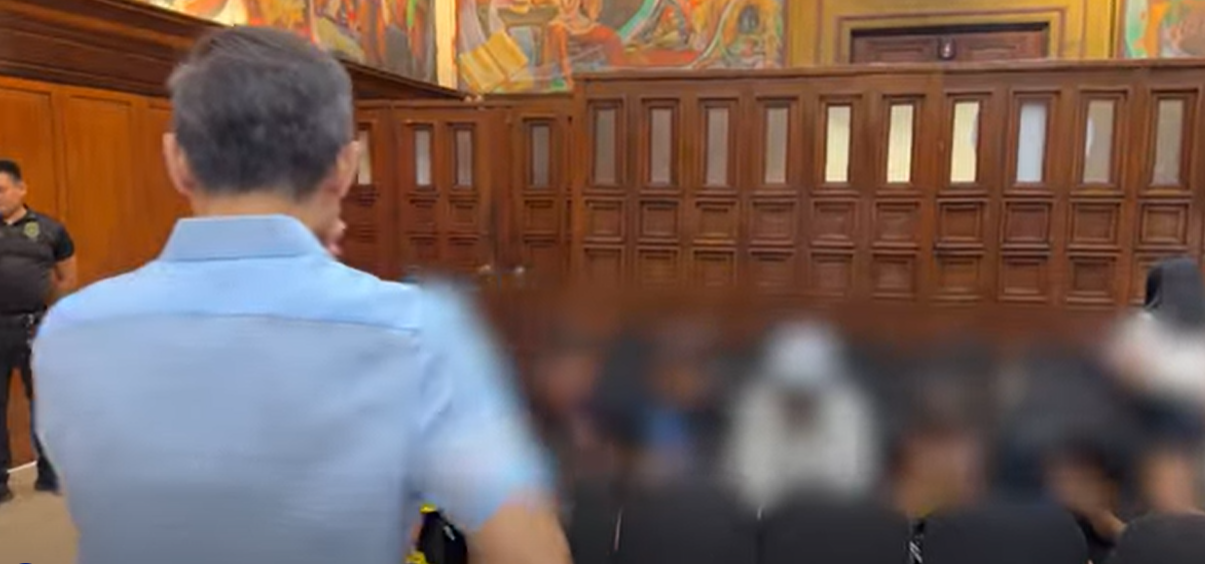
MANILA, Philippines — Just hours after a video of a street riot involving two groups of youths in Tondo went viral, Manila authorities swiftly acted to detain those allegedly responsible. Manila Mayor Francisco “Isko” Moreno Domagoso was personally presented with eight minors and an 18-year-old suspect implicated in the confrontation.
The arrests took place in the early hours of March 2 at around 4:30 a.m., following the violent clash near the intersection of Herbosa and Magsaysay Streets. The suspects were apprehended by the Manila Police District–Raxabago Police Station under the supervision of Commander P/Lt. Col. Ronald de Leon, and were immediately handed over to local authorities for investigation.
While the quick response may reassure citizens and demonstrate government vigilance, it also raises broader questions about youth engagement and social interventions. Are these young individuals acting out due to peer pressure, lack of supervision, or deeper social issues such as poverty, education gaps, or limited recreational outlets? Swift arrests may restore immediate public order, but they do not necessarily address the underlying factors that lead to such violent incidents.
Community leaders, educators, and law enforcement now face a pressing challenge: how to prevent repeat occurrences and redirect youth energy toward constructive activities. Programs targeting mentorship, conflict resolution, and youth development may be more sustainable solutions than repeated punitive measures alone. As Manila moves to balance law enforcement with community development, one critical question remains: Can rapid arrests curb youth violence effectively, or must society focus on prevention and rehabilitation to break the cycle of street-level conflict?
(Larawan mula sa: Manila PIO / Facebook)