
Are motorcycle riders being treated fairly? Col. Bosita questions enforcement of muffler rules
Robel A. Almoguerra • Ipinost noong 2026-03-06 23:17:43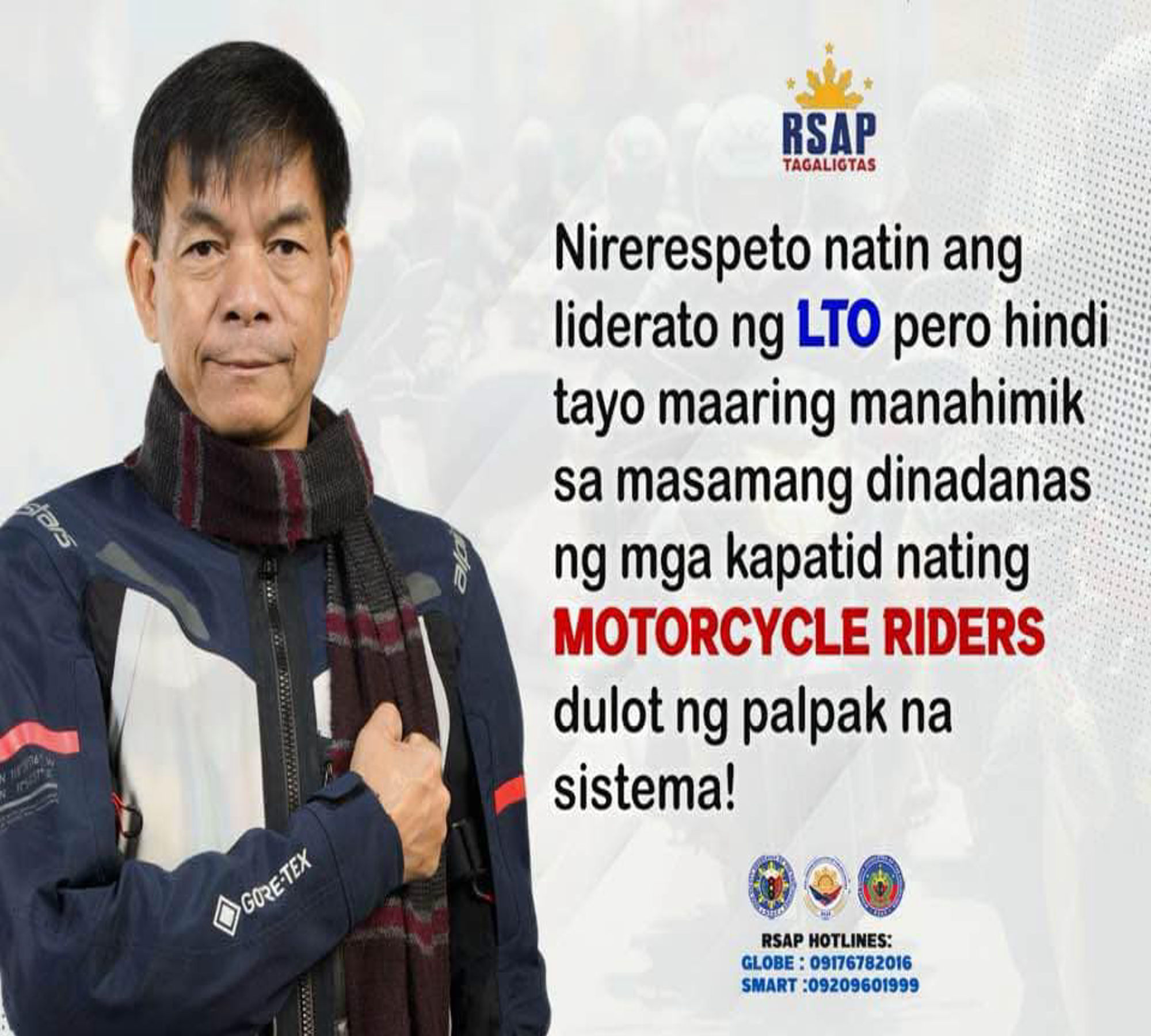
MANILA, Philippines — A renewed debate over motorcycle regulations has surfaced after retired police colonel and road safety advocate Bonifacio Laqui Bosita issued a statement questioning the enforcement of rules regarding aftermarket motorcycle mufflers in the Philippines.
Bosita raised concerns about what he described as inconsistencies in how authorities regulate and penalize riders whose motorcycles are fitted with aftermarket pipes or mufflers. According to him, motorcycles typically undergo inspection at Private Motor Vehicle Inspection Centers before registration renewal. However, he cited a clarification from the Land Transportation Office (LTO) stating that PMVICs do not evaluate whether mufflers comply with manufacturer specifications or with modification regulations imposed by the government.
Bosita argued that this position appears to conflict with provisions under Department of Transportation Order No. 2010-32, which requires a certification of road safety from manufacturers or assemblers in addition to the inspection report from Motor Vehicle Inspection Centers. If properly implemented, he suggested, such measures should already prevent motorcycles with unapproved modifications from passing inspection and entering the road legally.
The former official also questioned why motorcycle riders are frequently penalized with fines reaching ₱5,000 for aftermarket mufflers while, according to critics, similar modifications on private cars, trucks, or buses appear to receive less attention from authorities.
Bosita further pointed out that motorcycles still pass through inspection by LTO personnel after the PMVIC process before registration renewal is completed. In theory, this secondary layer of inspection should also be able to detect illegal modifications. Because of this, he argued that the issue may indicate weaknesses in the current inspection and enforcement system.
The discussion has sparked wider conversations among riders, transport advocates, and policymakers about fairness, accountability, and the consistency of traffic law enforcement in the country. For many motorcycle owners—who often rely on their vehicles for work and daily transport—penalties and regulatory uncertainty can have direct economic consequences for their families.
While authorities maintain that regulations exist to ensure road safety and reduce noise pollution, critics argue that the system must also be transparent and consistently applied across all vehicle types.
Ultimately, the issue raises a broader policy question: Are existing inspection systems effectively preventing illegal vehicle modifications, or are they unintentionally shifting the burden onto motorists after registration has already been approved?
As the debate continues, one question remains worth reflecting on: If a vehicle passes multiple government inspections, should the responsibility for illegal modifications fall solely on the rider—or on the system meant to prevent them in the first place?
(Larawan mula sa: Riders Safety Advocates of the Philippines RSAP / Facebook)