
₱3.16 trillion in PPP projects — Progress for all or select growth?
Robel A. Almoguerra • Ipinost noong 2026-05-04 21:54:30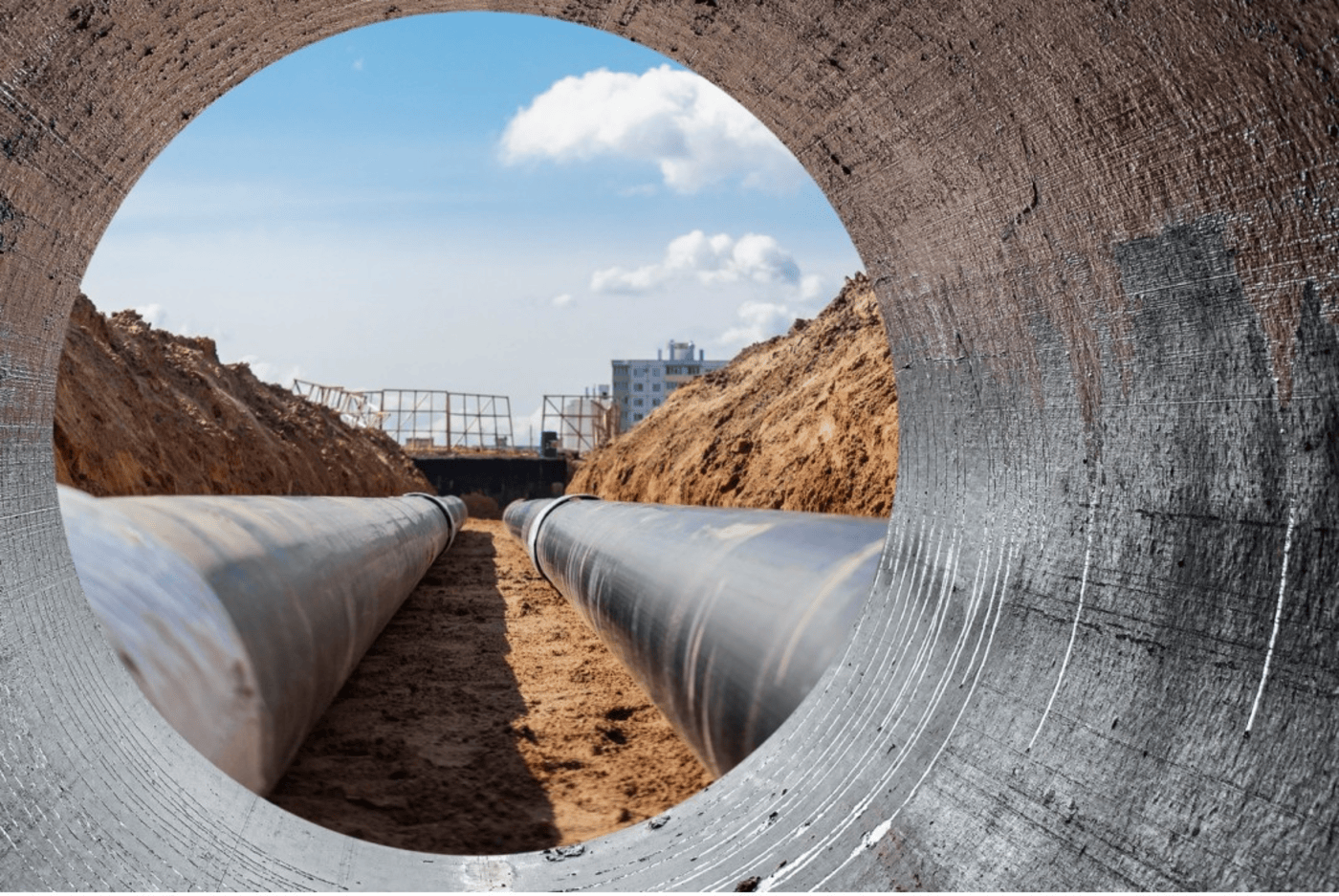
MANILA, Philippines — The Philippine government has lined up 252 Public-Private Partnership (PPP) projects worth a total of ₱3.16 trillion, according to data from the PPP Center. Of this number, 168 projects amounting to ₱3.02 trillion will be implemented by the national government, while 84 projects worth ₱136.26 billion will be handled by various local government units.
A significant portion of the investment is concentrated in the transportation sector. Railway projects dominate the pipeline with an estimated value of ₱1.97 trillion, followed by land transport projects worth ₱274.06 billion and property development initiatives totaling ₱221.46 billion. Many of these large-scale infrastructure efforts fall under the oversight of the Department of Transportation and Philippine National Railways.
Geographically, the majority of these projects are planned for key economic zones such as the National Capital Region, Central Luzon, and Ilocos Region. These areas are expected to become central hubs for infrastructure development in the coming years, potentially accelerating economic activity and improving connectivity.
While the scale of investment signals strong confidence in infrastructure-driven growth, it also raises critical questions about inclusivity and long-term impact. PPP projects are designed to leverage private sector efficiency and capital, but concerns often arise regarding equitable distribution of benefits, affordability of services, and transparency in implementation.
As the country moves forward with one of its most ambitious infrastructure pipelines, the challenge lies not only in execution but in ensuring that development reaches beyond major urban centers and delivers meaningful improvements in the lives of ordinary Filipinos.
As trillions are poured into development, will these projects truly bridge gaps—or deepen existing inequalities?
(Larawan mula: LinkedIn)