
Fr. Flavie laments rise of toxic discourse — Why is public discourse becoming more toxic?
Robel A. Almoguerra • Ipinost noong 2026-03-08 23:04:56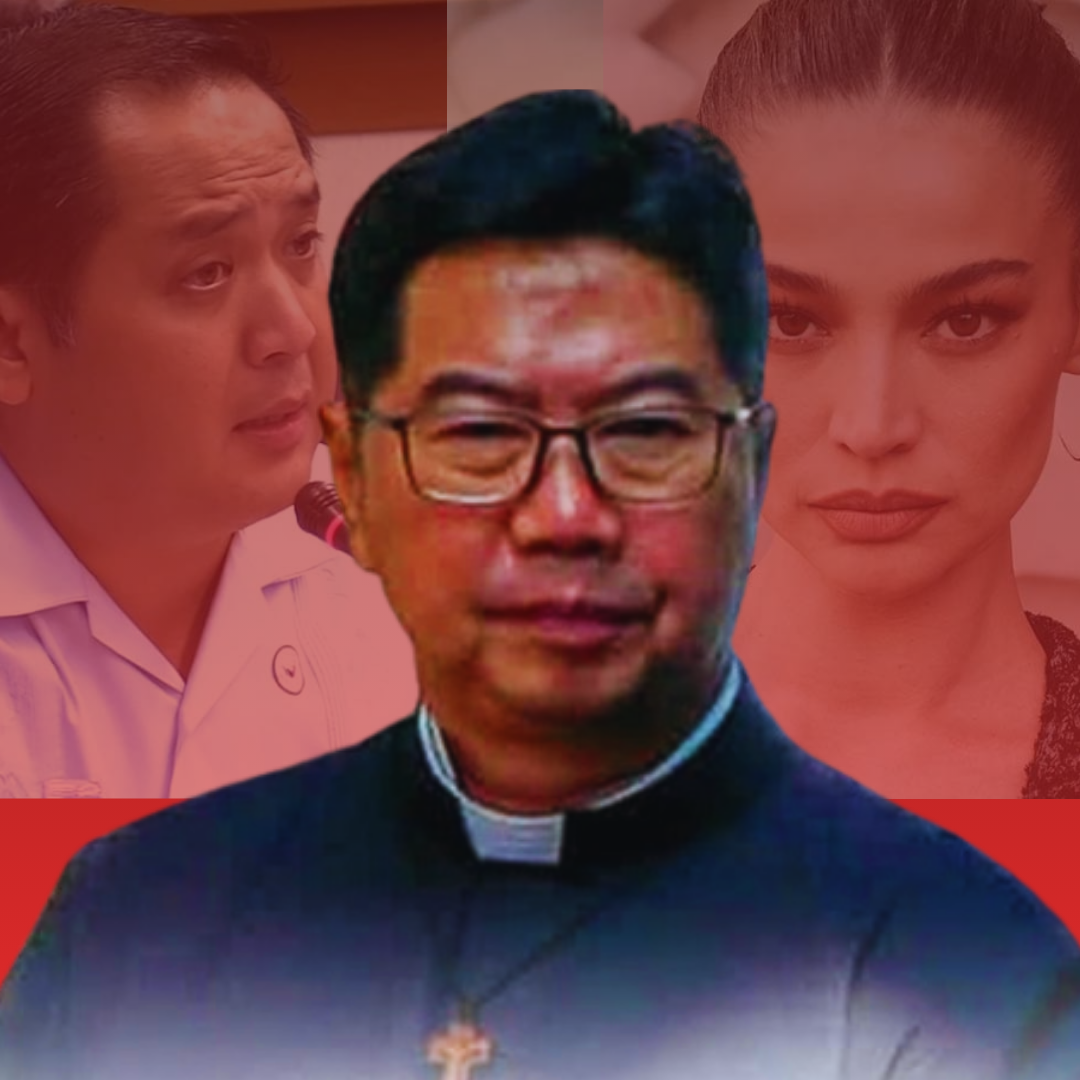
MANILA, Philippines — Amid recent controversies involving public figures, a Catholic priest has voiced concern about what he describes as the growing decline of respectful dialogue in Philippine society.
Flavie Villanueva, a priest known for his social advocacy, shared his reflections during a recent interview with journalist Kara David. In the discussion, he expressed sadness over what he sees as the increasing normalization of offensive language, misinformation, and intimidation in public discourse—particularly on social media platforms.
His remarks resurfaced online following a separate controversy involving Bong Suntay, a congressman whose analogy referencing actress Anne Curtis drew criticism and sparked debate among netizens. While the priest did not directly comment on the specific issue, many social media users revisited his earlier observations about the tone of discussions in the country.
According to Villanueva, online harassment and trolling have become part of his own experience due to his outspoken views on social issues. Over time, he said he has learned to live with criticism. Yet he admitted that what troubles him more deeply is the apparent erosion of respectful dialogue in the broader public sphere.
“Sometimes I ask why we reached this point,” he said, reflecting on how he believes many positive values in conversation—truthfulness, kindness, and respect—seem to have been replaced by hostility, falsehoods, and threats.
For Villanueva, the issue goes beyond individual arguments or viral controversies. He believes it reflects a deeper cultural shift in how people interact with one another, particularly in online spaces where anonymity and rapid information sharing often amplify emotional responses.
Social media platforms have given millions of Filipinos a voice in national conversations. However, the same platforms can also magnify conflict, turning debates about policies or public figures into exchanges filled with personal attacks rather than thoughtful dialogue.
Many analysts say this transformation is not unique to the Philippines; societies around the world are grappling with the challenge of maintaining constructive discourse in an era dominated by instant reactions and viral content.
Villanueva’s appeal ultimately centers on restoring empathy and responsibility in public conversations—especially when disagreements arise.
In a time when social media amplifies both voices and hostility, how can societies encourage passionate debate without losing respect and humanity in the process?
(Larawan mula sa: PEP.ph, Manila Standard, News - inquirer.net )