
Recto named ‘Government Caretaker’ during Marcos UN trip — How much authority do caretakers have?
Robel A. Almoguerra • Ipinost noong 2026-03-08 22:55:53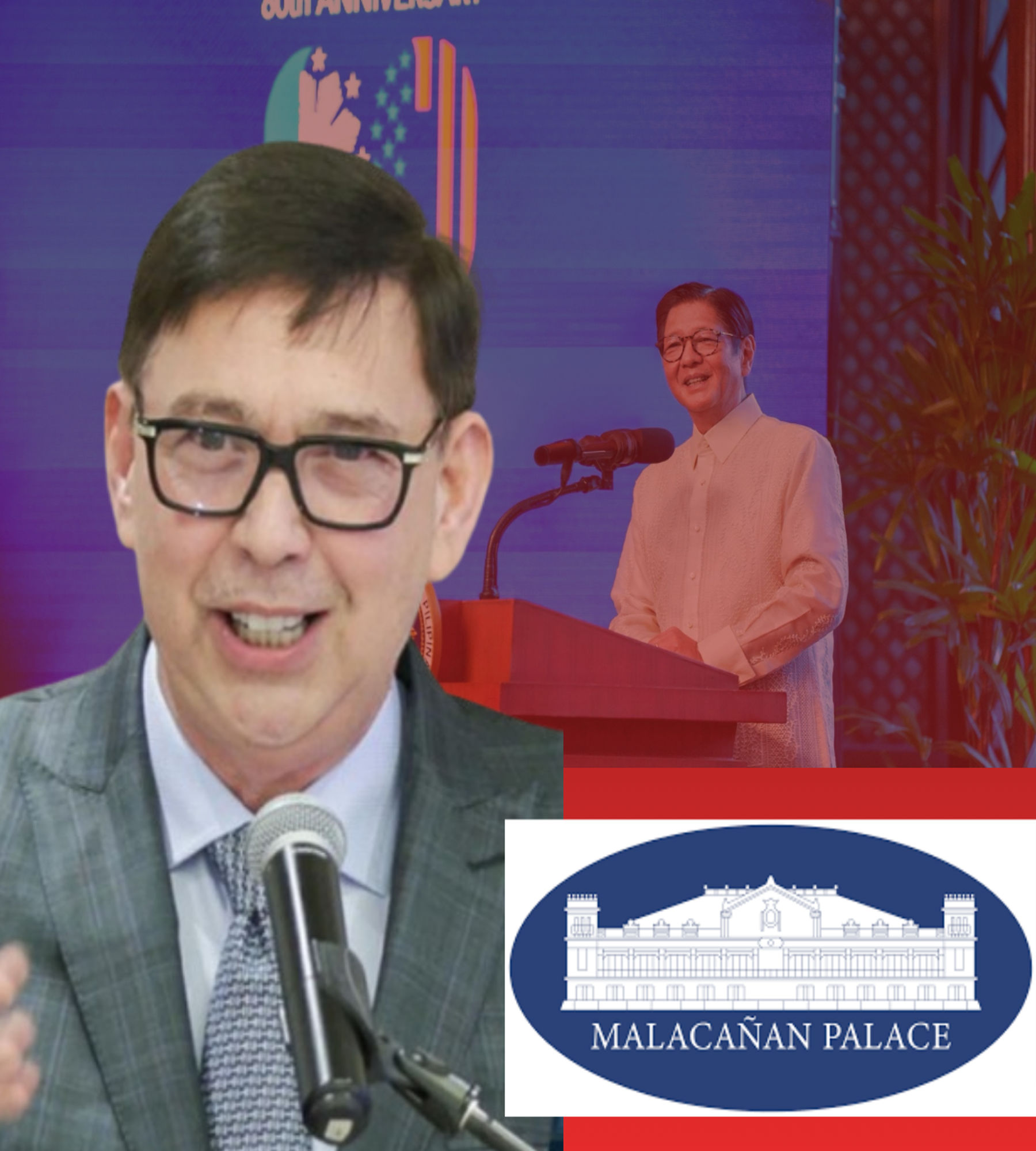
MANILA, Philippines — As Ferdinand Marcos Jr. travels to New York City in the United States to attend meetings at the United Nations, several senior members of his Cabinet have been tasked to help oversee government operations in his absence.
The President designated Ralph Recto, the Executive Secretary, as one of the key caretakers responsible for ensuring that the functions of government continue smoothly while the chief executive is out of the country.
Joining Recto in this role are Sonny Angara and Conrado Estrella III, who were also assigned caretaker responsibilities. Together, the three officials are expected to supervise the routine operations of government agencies and address urgent matters that may arise while the President is attending international engagements.
Marcos’ trip to New York is tied to his participation in a special session of the United Nations General Assembly (UNGA), where world leaders gather to discuss pressing global concerns. Among the topics expected to be raised during the session are escalating geopolitical tensions, including developments in the Middle East.
While the President remains the ultimate decision-maker even when abroad, appointing caretaker officials is a long-standing practice in many governments. It ensures that administrative responsibilities, policy coordination, and urgent directives can still be handled efficiently despite the temporary absence of the head of state.
For countries with complex bureaucratic systems, such arrangements help prevent delays in governance. Critical decisions—especially those affecting economic management, security coordination, and emergency responses—often require immediate attention that cannot simply wait until a leader returns from an international trip.
At the same time, the practice also reflects how modern governance relies heavily on institutional structures rather than the presence of a single individual. Cabinet members and senior officials are expected to maintain continuity in leadership, demonstrating that government functions operate through collective responsibility.
Still, such arrangements can prompt public curiosity about how much authority caretaker officials truly hold during these periods and how decisions are coordinated with a president who remains active abroad.
When a country’s leader travels for international diplomacy, how much power should caretaker officials exercise to ensure smooth governance without overstepping presidential authority?
(Larawan mula: Ralph Recto, Bongbong Marcos / Facebook)