
Legarda acts on fuel crisis, seeks tax breaks for Filipinos
Cesar Patrick F. Bonales • Ipinost noong 2026-03-10 09:21:11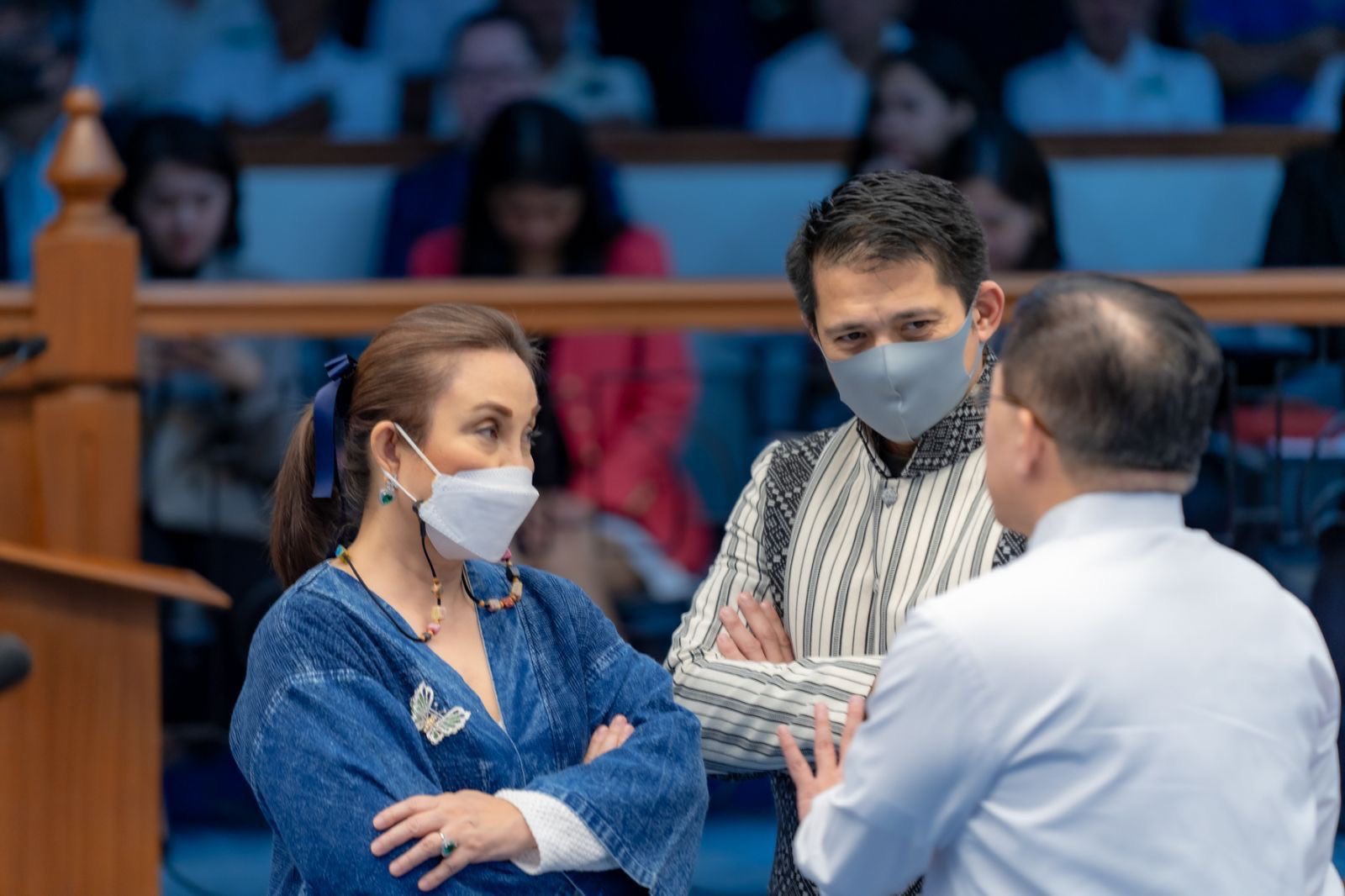
Senator Loren Legarda has moved decisively as fuel prices in the Philippines hit record highs, with diesel climbing by ₱17 to ₱24 per liter and gasoline by ₱7 to ₱13 per liter this week. The relentless increases, driven by Middle East tensions and global supply disruptions, have intensified inflationary pressures and strained Filipino households, transport workers, and small businesses.
Unlike other proposals that focus solely on suspending excise taxes, Legarda’s Senate Bill No. 1842, or the Fuel Price Relief Act, filed on March 9, 2026, establishes a Fuel Tax Stabilization Mechanism that empowers the President to suspend or reduce both excise and value-added taxes (VAT) on petroleum products—or apply a combination of both measures to arrive at the most appropriate price adjustment. This flexible approach aims to stabilize fuel costs while minimizing fiscal effects on government revenues.
“This measure is a moral imperative. We cannot allow Filipino families, farmers, fisherfolk, and public utility drivers to bear the heaviest burden of global crises. By temporarily lifting fuel taxes during extraordinary price surges, we provide swift relief and protect our people’s right to affordable necessities,” Legarda said.
The bill authorizes the President, upon recommendation of the Development Budget Coordination Committee (DBCC) and consultation with the Department of Energy (DOE), to suspend or reduce excise and VAT taxes on regular gasoline, unleaded premium gasoline, diesel fuel oil, kerosene, and liquefied petroleum gas (LPG). The suspension or reduction may last up to ninety days, extendable for another ninety days if conditions persist. Relief is automatically lifted once crude oil prices fall below the threshold for thirty consecutive days.
To ensure transparency, the DBCC and DOE are mandated to submit monthly reports to Congress and publish updates online detailing global oil prices and the revenue impact of any suspension or reduction. The bill also requires a biennial review of the USD 80 threshold, with adjustments capped at ten percent, subject to public consultation with stakeholders from the transport, agricultural, and industrial sectors.
The measure further prohibits hoarding, profiteering, cartelization, and other forms of market manipulation in the petroleum industry. The DOE, in coordination with the Department of Trade and Industry, Bureau of Customs, and Philippine Competition Commission, will monitor supply and pricing to protect consumers. Violators will face administrative, civil, and criminal penalties under existing laws.
Legarda emphasized that the measure balances fiscal responsibility with urgent social protection.
“By establishing a clear trigger for the temporary suspension or reduction of fuel taxes, this measure ensures relief when warranted by prevailing economic conditions,” Legarda said.
Legarda called on her colleagues in Congress to act without delay, warning that each day of inaction adds to the burdens faced by commuters, farmers, fisherfolk, and ordinary families. She underscored that the Fuel Price Relief Act is designed to protect lives and livelihoods, ensuring that Filipinos do not shoulder the weight of crises beyond their control.