
Clean up or pay up: lawmakers eye community service for parents of bullies in schools
Marijo Farah A. Benitez • Ipinost noong 2026-03-16 19:35:28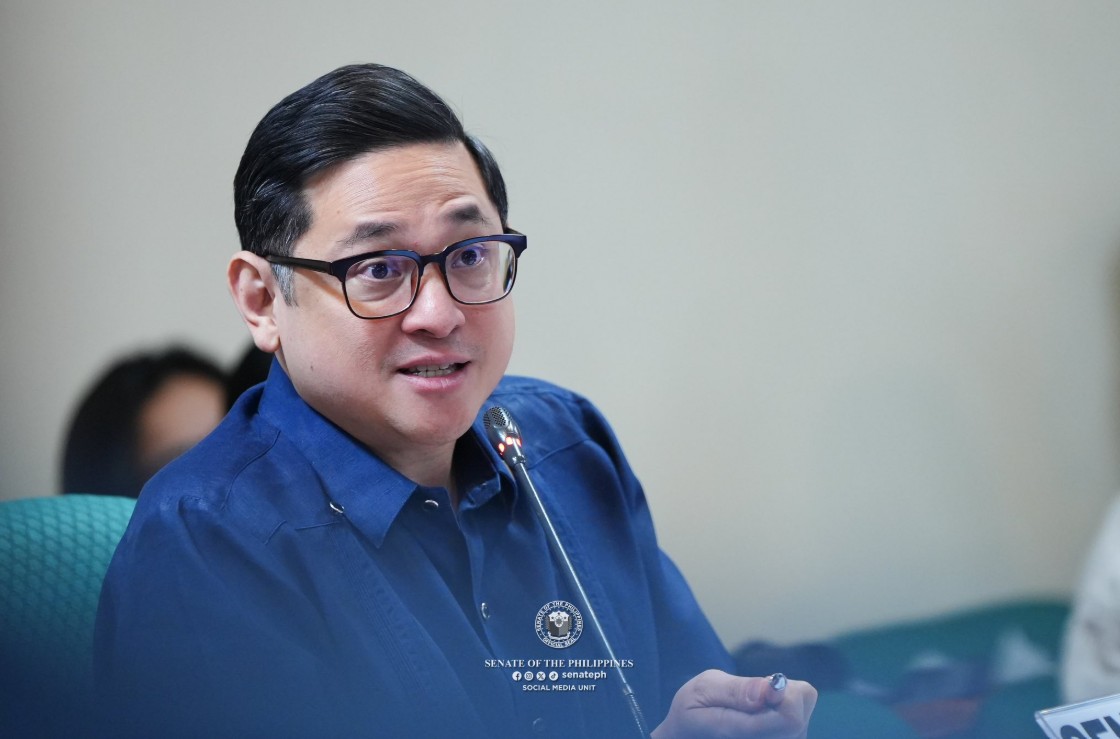
MARCH 16, 2026 — Bullying in Philippine schools has long been treated as a “student problem.” But this week, senators flipped the script: What if parents themselves were held accountable when their children bully classmates?
At a joint Senate hearing, lawmakers floated the idea of penalizing parents — through community service or other sanctions — if their kids are caught bullying.
Senator Bam Aquino, chair of the education committee, said, “How do we go from being the bullying capital to having a zero-bullying policy? Unang-una, yung preventive — mahalaga ‘yan. Dapat alam ng mga tao na hindi dapat ito ginagawa (First of all, prevention — that’s important. People should know this is not something that should be done).”
Aquino stressed that parents must be directly involved when their children are responsible for bullying. Senator Raffy Tulfo went further, suggesting that parents should literally clean schools as punishment.
“Tama ka, Mr. Chair, dapat may parusa sa mga magulang. When I say parusa, siguro community service. Tapos ikaw maging janitor sa school,” he said.
(You’re right, Mr. Chair, there should be punishment for parents. When I say punishment, maybe community service. Then you become the school janitor.)
The numbers are damning. According to the Second Congressional Commission on Education (EDCOM II), 63% of Grade 5 students in the Philippines report being bullied at least once a week — among the highest rates globally. That’s not just a statistic. It’s a national embarrassment.
And the damage goes beyond bruised egos. EDCOM II technical specialist Riz Comia told senators that bullying is “a direct driver” of the country’s learning crisis. Students bullied weekly scored 41 points lower in Math and 52 points lower in Science compared to those bullied less often, based on TIMSS 2019 results.
PISA 2022 data paints the same bleak picture: nearly half of Filipino students experience bullying multiple times a month.
The uncomfortable truth is, bullying is not just a playground issue. It’s an education crisis. And when schools fail to act swiftly, when guidance counselor positions remain unfilled (79% of them, according to EDCOM II), when parents shrug off their children’s behavior, the cycle continues.
But should parents really be punished for their children’s actions? On one hand, it forces accountability — parents can’t just wash their hands of responsibility. On the other, is it fair to penalize a mother working two jobs or a father struggling to make ends meet because their child misbehaved?
Tulfo argues that schools and authorities are too “reactionary,” waiting for formal complaints instead of acting proactively. He’s right — many victims are too scared to report bullying. But will punishing parents really fix that culture of silence? Or will it simply add another layer of shame and resentment?
DepEd says it is strengthening programs to encourage students to be “upstanders” rather than bystanders. That’s a start. But without manpower — without guidance counselors, discipline officers, and swift interventions — these programs risk becoming lip service.
Bullying thrives in environments where adults look away. Teachers overwhelmed with class sizes, parents distracted by survival, administrators bogged down by bureaucracy. The proposal to penalize parents is provocative, but maybe that’s the point — it jolts us into asking who really bears responsibility for the toxic culture in our schools.
We love to talk about discipline, about respect, about values. Yet we tolerate bullying as if it’s a rite of passage. If senators are serious, then penalties for parents must be paired with systemic reforms: more counselors, faster school responses, and a culture that empowers students to intervene. Otherwise, it’s just another headline, another hearing, another round of finger-pointing.
So do we want to keep being the “bullying capital,” or are we ready to confront the uncomfortable truth that fixing this crisis requires both schools and families to step up? And if parents are held accountable for their children’s bullying, will it finally force society to take responsibility — or will it just continue passing the blame around?
(Image: Senate of the Philippines | Facebook)