
Forget fuel excise tax cuts — Monsod wants wealth tax
Marijo Farah A. Benitez • Ipinost noong 2026-03-18 12:39:15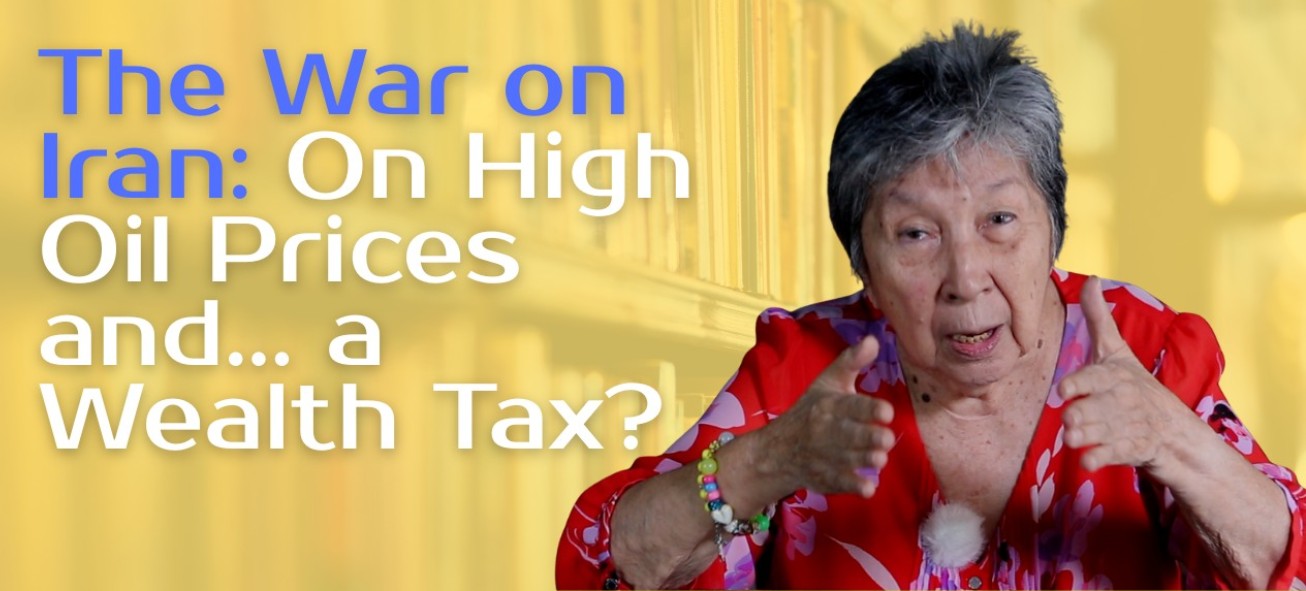
MARCH 18, 2026 — Former NEDA chief Winnie Monsod has thrown a sharp punch into the national debate: instead of suspending fuel excise taxes, she wants a wealth tax on the country’s richest families — arguing that the poor will suffer most if government revenue dries up. Her proposal could raise an estimated ₱137 billion, enough to fund targeted “ayuda” during crises.
Fuel excise tax suspension: who really benefits?
The House of Representatives recently approved a bill allowing President Ferdinand Marcos Jr. to suspend fuel excise taxes during crises. Lawmakers framed it as relief for the public facing skyrocketing pump prices, with some stations now charging ₱100 per liter for certain variants.
The trigger? The Strait of Hormuz blockade by Iran, choking 20% of global oil supply and sending prices soaring.
But Monsod isn’t buying it. She warns that suspending excise taxes means ₱136 billion in lost revenue, money that funds social programs.
“The move to suspend the excise tax on fuel is a very wrong move,” she said. “Where’s the government going to get that? What programs is the government going to suspend? You know, they’ve lost revenue and there is a budget.”
Her point is simple: fuel excise cuts don’t discriminate. Rich households with multiple cars consume far more fuel than jeepney drivers or tricycle operators. So who gets the bigger break? The wealthy.
Monsod’s alternative: tax the billionaires
Monsod’s counterproposal is bold: a 3% wealth tax on the assets of the Philippines’ 50 richest families, those with holdings above ₱3 billion.
“A wealth tax … tax on what you own, not a tax on what you earn, and this wealth tax is going to be targeted ideally for the 50 wealthiest billionaires, family billionaires,” she explained.
Her math: this one-time levy could generate ₱137 billion, more than enough to bankroll targeted subsidies for the bottom 50% of Filipinos.
“That’s more than any ayuda … Be for as long as the crisis starts, and whatever is left will be kept in that crisis fund, and then for the next crisis which will come sooner or later, you know, we’ll use that fund and if it runs out, we will tax them again,” Monsod said.
Tax the rich, save the poor
Economists warn that halting excise taxes may slow growth and weaken fiscal stability. The government risks cutting back on education, healthcare, or infrastructure just to offset lost fuel revenue.
Monsod’s wealth tax idea, meanwhile, directly confronts inequality. It forces the richest families — who have profited immensely from decades of growth — to shoulder the burden during crises.
Now this isn’t just about economics - it’s about fairness. Why should the poor lose their subsidies anyway?
Suspending fuel excise taxes feels good politically, but it’s a band-aid solution that bleeds the budget dry. Monsod’s proposal, on the other hand, is radical but logical — make the ultra-rich pay for the nation’s survival fund.
In a country where wealth is concentrated in a few families, this could be the most direct way to protect the majority.
The question now is whether our leaders have the political will to tax the untouchables. Because if they don’t, the poor will once again be left holding the empty bag.
Should we even dare to tax our billionaires instead of sacrificing the poor? Who’s brave enough to take the first step?
(Image: Mareng Winnie Monsod | Facebook)