
Guanzon rebukes Lacson over senate probe stance — Should investigations remain strictly neutral?
Robel A. Almoguerra • Ipinost noong 2026-03-19 00:12:40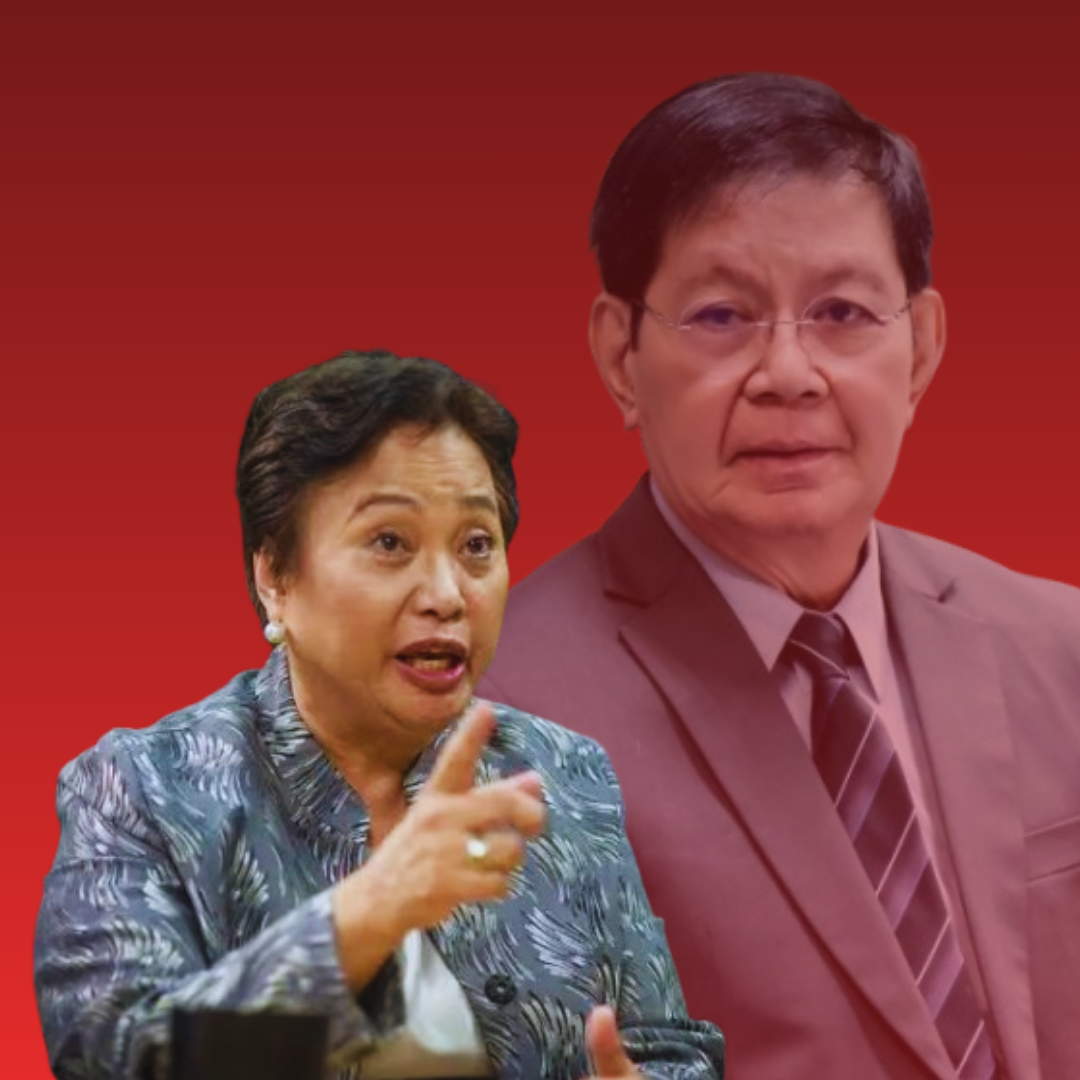
MANILA, Philippines — A sharp exchange of views has emerged among public officials following remarks about a potential Senate inquiry involving allegations raised by former military personnel.
Former Rowena Guanzon, who previously served as commissioner of both the Commission on Audit and the Commission on Elections, criticized the stance of Senator Panfilo Lacson regarding the possibility of holding a Senate hearing about the testimonies of 18 former Marines linked to allegations of a so-called “maleta scheme.”
The criticism came after Lacson stated that he wanted to first examine the testimonies and affidavits of the former Marines before conducting any formal hearing. The senator also warned that the proceedings could potentially lead to contempt charges if witnesses provide inconsistent or questionable statements.
In response, Guanzon questioned the senator’s approach, arguing that investigators should avoid appearing to prejudge the outcome of an inquiry even before it formally begins.
“Walang pang hearing ganyan na sinasabi mo,” Guanzon said, stressing that statements made prior to a hearing could raise doubts about the neutrality of the investigation. She also criticized what she perceived as a tone that seemed to prematurely defend individuals allegedly connected to the issue, including Martin Romualdez and Ferdinand Marcos Jr..
Guanzon emphasized that legislative investigations are meant to uncover the truth rather than protect or target specific personalities. According to her, the role of lawmakers conducting inquiries is to examine evidence objectively and allow facts to emerge through testimonies and due process.
The debate reflects the broader political tension surrounding the allegations reportedly raised by the former Marines, which have circulated in public discussions but remain subject to verification and formal inquiry.
Beyond the personalities involved, the situation highlights the delicate role of legislative investigations in a democratic system. Senate hearings are often designed to clarify issues of national importance, yet they also carry the risk of being perceived as political theater if not conducted with clear neutrality.
As the controversy continues to unfold, public attention will likely focus not only on the claims themselves but also on how institutions handle the process of uncovering the truth. In politically charged investigations, how can lawmakers ensure that their inquiries are truly impartial—and not seen as defending or targeting particular individuals?
(Larawan mula: Ping Lacson, Rowena Guanzon / Facebook)