
Science vs. skyrocketing gas: Palawan opens PH’s first petroleum R&D lab
Marijo Farah A. Benitez • Ipinost noong 2026-03-20 16:37:45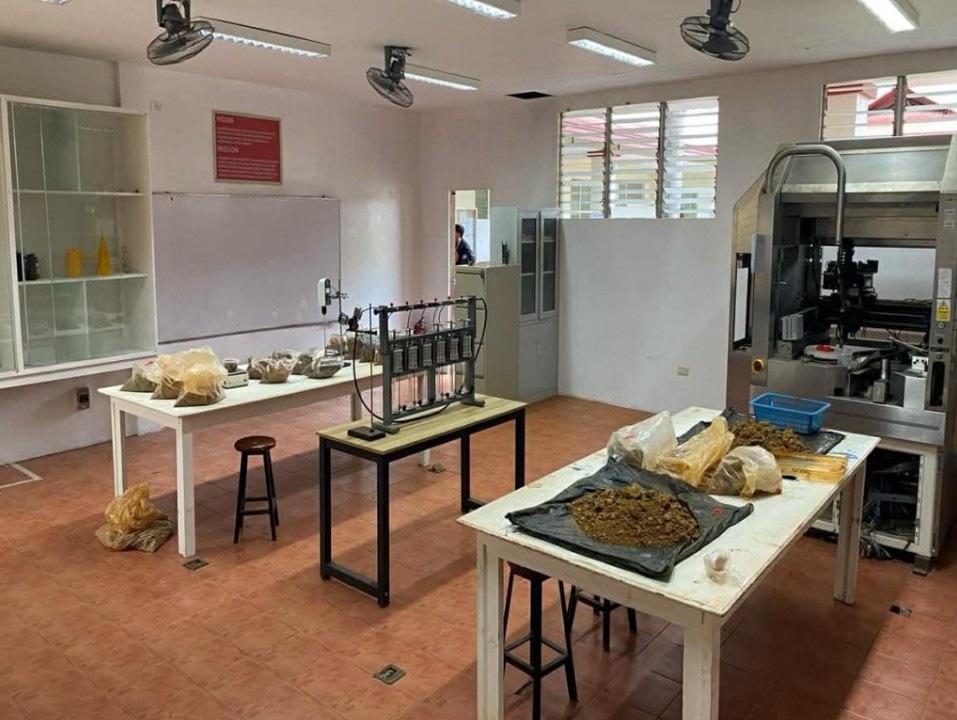
MARCH 20, 2026 — The Philippines is about to open its first petroleum engineering R&D laboratory in Puerto Princesa, Palawan on March 25, a bold move amid a global oil crisis triggered by Middle East tensions. This facility, led by the Department of Science and Technology (DOST) and Palawan State University (PalSU), aims to reduce dependence on imported energy by developing locally sourced, sustainable drilling fluids.
Every Filipino feels the sting of rising fuel prices. Jeepney drivers, delivery riders, even households budgeting for cooking gas — everyone is caught in the squeeze. Now, the government is betting on science to soften the blow.
The Drilling Fluids Research and Innovation (DFRI) Laboratory, funded with ₱4.9 million, is not just another academic project. It’s a direct response to the oil crisis shaking the world.
DOST Secretary Renato U. Solidum Jr. explained, “Given the ongoing instability in global oil supply chains and persistent fuel price hikes, the ability to develop local substitutes for critical drilling materials becomes strategically important to secure our future in sustaining our own petroleum products like drilling fluids.”
That’s a sharp reminder — our energy security is hanging by a thread, and Palawan might just hold the scissors to cut us free.
Why Palawan, why now?
Palawan isn’t just a tourist paradise. It hosts 11 commercial oil and gas fields, including the Malampaya gas field, where a new reservoir was recently discovered. This makes it the perfect testing ground for petroleum R&D.
Led by Engr. Morlie Talimbay, PalSU researchers have already developed nanoiron oxide and nanosilica-enhanced drilling fluids. These aren’t just fancy scientific terms — they’re potential game-changers.
Imagine drilling operations powered by cheaper, locally sourced, and eco-friendly materials instead of costly imports.
Talimbay himself admitted, “With the establishment of this new laboratory, we aim to contribute to the local energy economic needs.”
Now while the Philippines has abundant fossil fuel reserves, our R&D output in oil and gas is embarrassingly thin. This lab is a chance to change that narrative. If successful, it could feed into the Department of Energy’s push to increase exploration and production yields.
Engr. Niñaliza H. Escorial of DOST-PCIEERD is already looking ahead, saying, “Through the DFRI Lab, we believe that high-quality research will play a critical role in enabling the Philippines to develop its own natural gas resources and reduce the country’s reliance on imported energy.”
Currently, we’re scrambling to innovate in petroleum just as the world is sprinting toward renewables. Let’s not kid ourselves — oil and gas still power our jeepneys, buses, and factories. Until solar panels and wind turbines can fully carry the load, petroleum R&D is not just relevant — it’s survival.
The lab in Palawan is more than science - it’s a statement. It says we’re tired of being at the mercy of foreign oil markets. It says we’re ready to invest in our own capacity. But it also raises a bigger question: Will this be the start of true energy independence?
Will Palawan’s petroleum lab finally give us control over our energy future, or will we remain forever hostage to imported oil?
(Image: DOST-PCIEERD)