
Oil shock empties Metro Manila roads — cars vanish, buses thin, and the city speeds like never before
Marijo Farah A. Benitez • Ipinost noong 2026-03-21 08:45:04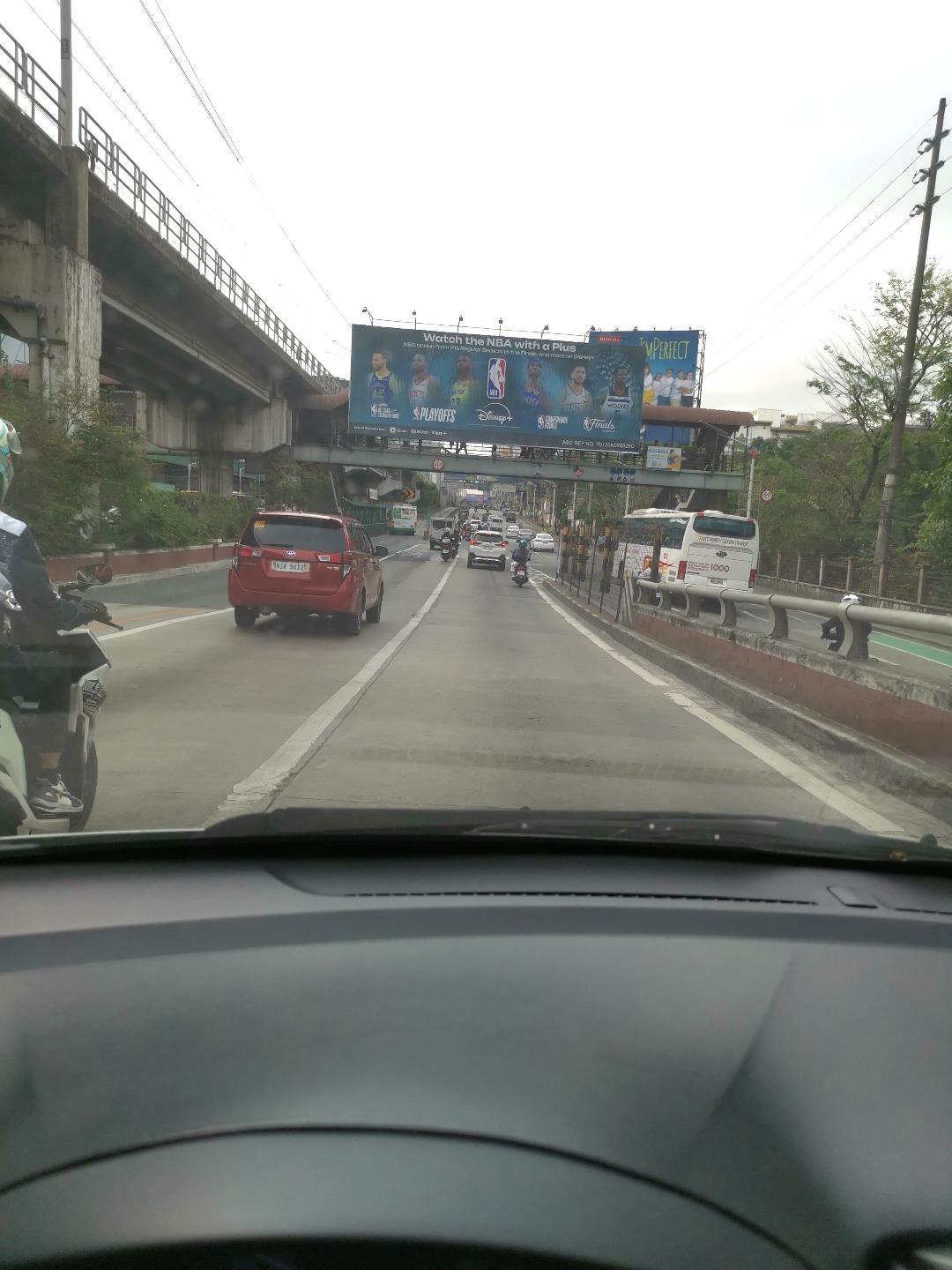
MARCH 21, 2026 — Metro Manila just witnessed something unusual: 30,000 fewer vehicles on its major roads between March 16 and 18, according to the Metropolitan Manila Development Authority (MMDA). That’s an 8% drop in traffic volume compared to previous weeks.
This is a figure that MMDA General Manager Nicolas Torre III himself confirmed, saying, “Nakita natin na merong 8% reduction ang volume na compared sa mga previous weeks.”
(We saw that there was an 8% reduction in volume compared to previous weeks.)
For a city notorious for gridlock, this sounds like a miracle. But let’s not pop the champagne just yet. The decline isn’t necessarily because Metro Manila suddenly became a commuter’s paradise. Rising fuel costs, fewer buses on the road, and the looming oil crisis are forcing people to rethink their travel choices. Many are ditching private cars for trains, buses, and even bikes and e-scooters.
The MMDA is now studying private carpooling as a possible solution, though Torre was quick to add, “Basta hindi natatamaan ang colorum law.”
(As long as it doesn’t violate the law against unregistered vehicles.)
But while more passengers are flocking to buses, fewer buses are actually running. At the Parañaque Integrated Terminal Exchange (PITX), trips to Batangas City dropped from 23 to 19, while trips to San Jose, Nueva Ecija fell from 12 to 10.
PITX Corporate Affairs head Jason Salvador explained, “Nahihirapan na silang itawid yung presyo ng gasolina sa kinikita nila.”
(They are struggling to balance fuel prices with their earnings.)
The result? Longer lines, fewer options, and the risk of overloaded buses — especially with Holy Week fast approaching.
The MMDA, for its part, is trying to get ahead of the curve. Bike lanes are being improved, and new facilities like showers and toilets for cyclists were recently opened at the MMDA Motorcycle Riding Academy in Ortigas. It’s a small but symbolic step toward legitimizing alternative transport in a city that has long been hostile to anything outside the four-wheeled norm.
But then, the oil crisis isn’t just squeezing commuters, it’s also hitting tourism. Fuel surcharges for flights booked from April 1 to 15 have jumped to Level 8, and the Philippine Travel Agencies Association (PTAA) is already reporting cancellations for Europe-bound trips.
PTAA President Jai Yang admitted, “Marami na po tayong naging cancellation sa mga bibiyahe papuntang Europe, dahil karamihan ng flights ay dumadaan sa Middle East.”
(We’ve had many cancellations for trips to Europe because most flights pass through the Middle East.)
The silver lining? Travelers are simply rerouting to unaffected destinations, but the uncertainty remains.
So what does this all mean for us? On one hand, fewer cars on EDSA and C5 could mean shorter travel times and cleaner air. On the other hand, commuters are being squeezed between expensive fuel, fewer buses, and the risk of overcrowding.
The MMDA’s push for carpooling and bike-friendly policies is refreshing, but without systemic fixes in public transport, these are band-aid solutions to a bleeding wound.
The bigger question is whether this temporary dip in car volume signals a genuine shift in how Metro Manila moves — or if it’s just another crisis-driven adjustment that will vanish once fuel prices stabilize.
Do you think it’s possible that Metro Manila will really finally embrace a commuter-first future?
(Image: Jijo Benitez)