
Philippines declares energy emergency without ‘oil crisis’ — Is the government downplaying a growing threat?
Robel A. Almoguerra • Ipinost noong 2026-03-24 22:33:03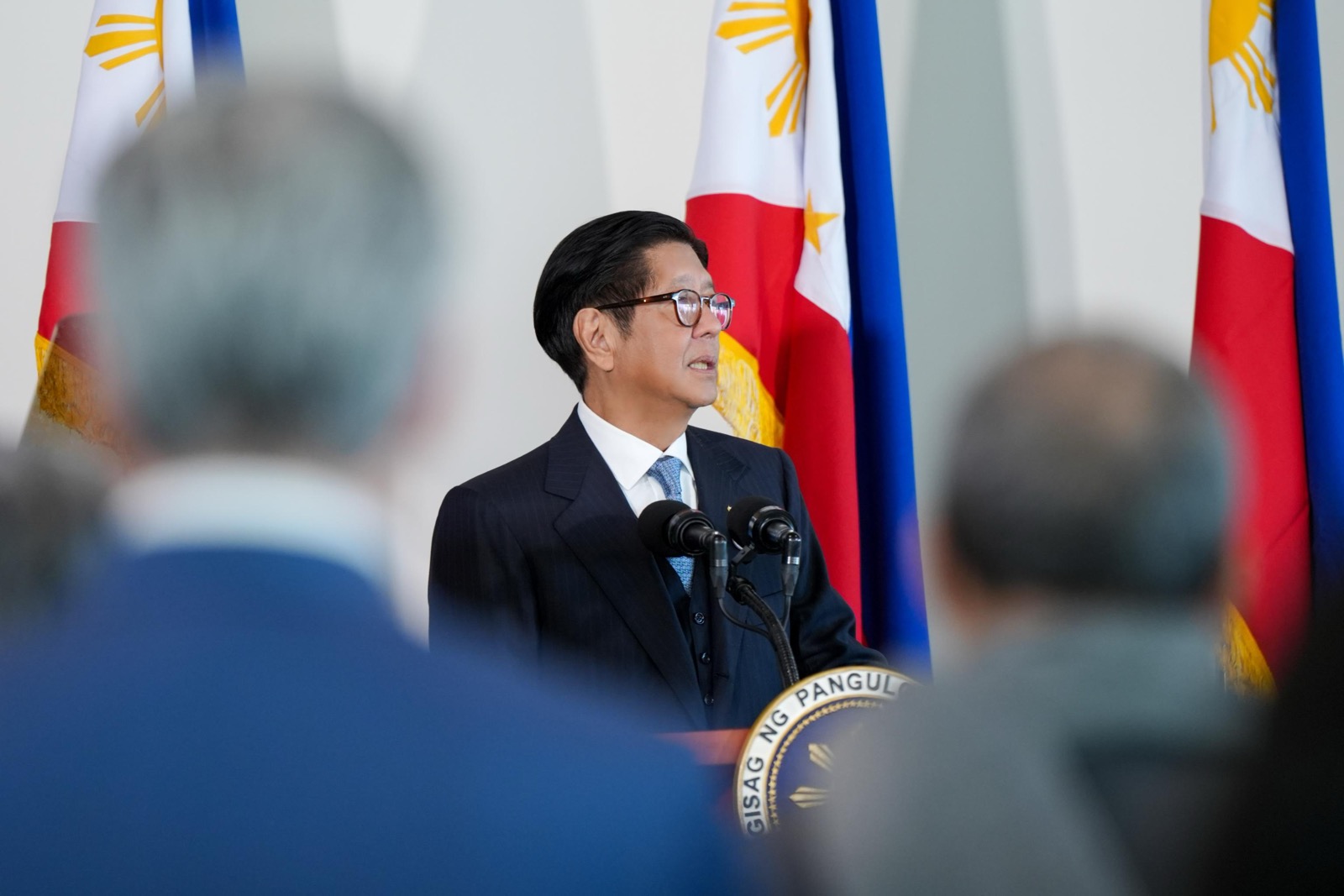
MANILA, Philippines — Despite repeated assurances that there is no existing “oil crisis,” the Philippine government has officially declared a State of National Energy Emergency, raising questions about the true extent of the country’s energy situation. President Ferdinand Marcos Jr. signed Executive Order No. 110 amid mounting concerns over the nation’s oil supply and overall energy security.
According to the administration, the declaration is a proactive measure designed to strengthen the country’s preparedness against potential disruptions in fuel supply. Officials emphasize that while there is currently no shortage severe enough to be labeled a crisis, global uncertainties and supply chain vulnerabilities necessitate urgent action.
However, the apparent contradiction between the government’s reassurances and its decisive move to declare an energy emergency has sparked public discourse. For many observers, such a declaration typically signals a pressing or imminent threat—leading some to question whether the situation is more critical than what is being publicly communicated.
The Philippines remains heavily dependent on imported oil, making it particularly vulnerable to global price fluctuations and geopolitical tensions. Any disruption in supply chains can quickly impact transportation, electricity generation, and the cost of basic goods. In this context, the government’s move may reflect not only caution but also an acknowledgment of structural weaknesses in the country’s energy framework.
From a broader perspective, this development highlights the delicate balance between preventing public panic and ensuring transparency. While proactive governance is commendable, mixed messaging can erode public trust and create confusion. Declaring an emergency without calling it a crisis may be strategically sound—but it also opens the door to skepticism.
As the country navigates these uncertainties, one critical question lingers: If there is truly no oil crisis, why declare a national energy emergency—and what does the government see that the public does not?
(Larawan mula kay: Bongbong Marcos / Facebook)