
Ejercito fights for middle class relief amid fuel crisis
Marijo Farah A. Benitez • Ipinost noong 2026-03-25 16:43:15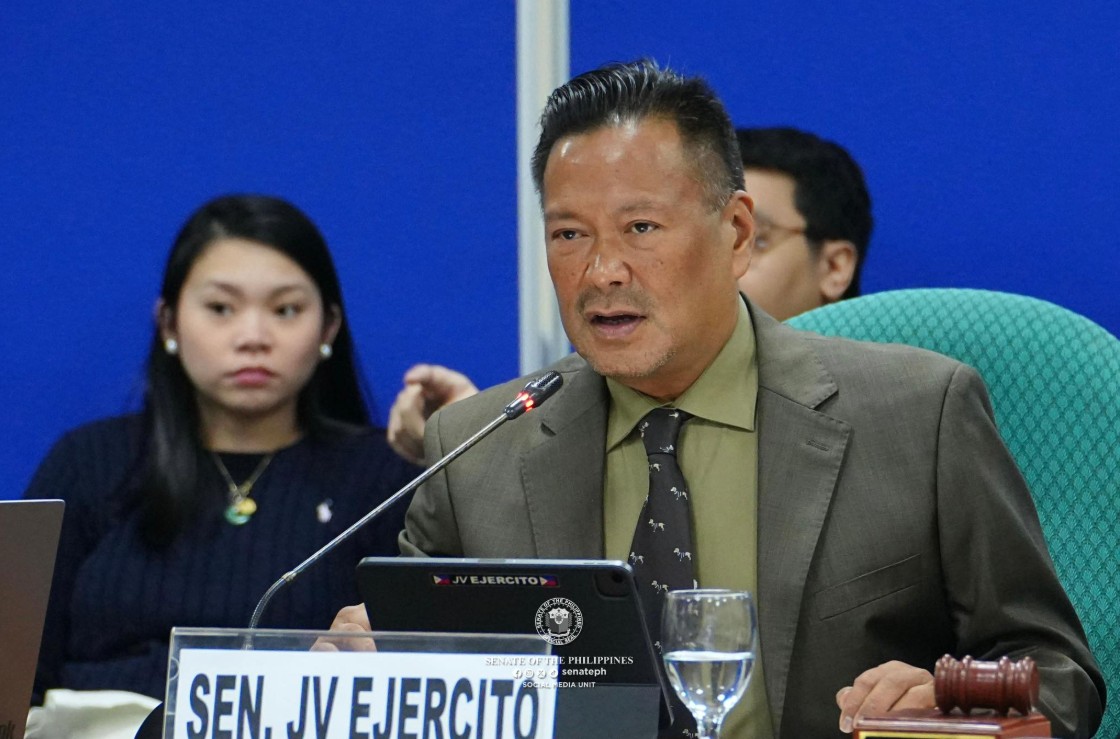
MARCH 25, 2026 — Sen. JV Ejercito has thrown the spotlight on a sector often overlooked in times of crisis — the Filipino middle class — warning that they are bearing the brunt of the fuel crisis without receiving any government aid. His call comes as tensions in the Middle East continue to drive global oil prices upward, threatening household budgets and the broader economy.
During the Senate’s PROTECT Committee hearing, Ejercito stressed, “We also need to focus on our middle class income earners who make up 40 percent of our population. They are also sharing and bearing the brunt of this crisis but there is no aid provided for them.”
This is a sharp reminder that while government subsidies often target minimum wage earners, OFWs, and PUV drivers, the middle-income sector — teachers, nurses, small entrepreneurs, office workers — remains invisible in policy discussions.
Ejercito’s warning clashes with Malacañang’s stance. Palace officials insist there is no “oil supply crisis,” only price disruptions. Yet for the public, whether you call it a crisis or not, the reality is the same: skyrocketing fuel costs mean higher transport fares, pricier goods, and shrinking disposable income.
Ejercito bluntly declared, “Situation is NOT NORMAL! We are in crisis already!”
Vietnam, Thailand, and Indonesia have rolled out subsidies, tariff suspensions, and tapped strategic reserves to cushion their citizens. Meanwhile, the Philippines risks lagging behind with piecemeal responses.
Ejercito has urged the creation of an inter-agency task force to proactively prepare for worst-case scenarios, likening the situation to the pandemic where swift, coordinated action was crucial.
The middle class is the backbone of the economy — taxpayers, consumers, and professionals who keep industries running. Ignoring their struggles risks hollowing out the very sector that sustains growth. If they are forced to cut back spending, delay investments, or even slip into poverty, the ripple effect will be felt across the nation.
Are we really going to keep squeezing the Filipino middle class dry while the rich stay cushioned and the poor at least get subsidies … or will the government finally stop pretending this isn’t a crisis? And if the middle class is the backbone of our economy, shouldn’t protecting them from the fuel crisis be the government’s top priority before the backbone itself starts to crack?
How much longer can the Filipino middle class keep tightening their belts, paying the bills, and carrying everyone else’s weight in this fuel crisis before they finally break?
(Image: Senate of the Philippines | Facebook)