
Food crisis at our doorstep: farmers, fishers drowning in debt as fuel prices soar
Marijo Farah A. Benitez • Ipinost noong 2026-03-30 08:44:06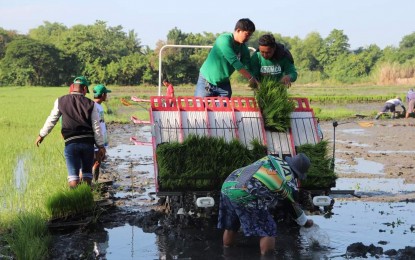
MARCH 30, 2026 — The alarm bells are ringing, and this time it’s not just about inflation or the usual price hikes at the palengke. Farmers and fisherfolk are warning of a looming food crisis, and the culprit is painfully familiar — skyrocketing fuel prices.
The Kilusang Magbubukid ng Pilipinas (KMP) said, “Ang natitira na lang sa mga magsasaka ay utang. Habang tumataas ang presyo ng langis, sumasabay ang pagtaas ng gastos sa produksyon. Hinahayaan din ng gobyerno na walang kontrol sa presyo ng farm inputs. Presyo lang ng ani ang palaging mababa.”
(What remains for farmers is debt. As oil prices rise, production costs also increase. The government is allowing farm input prices to go uncontrolled. Only the price of produce remains low.)
That statement hits hard because it’s the lived reality of those who feed us. Diesel fuels irrigation pumps, powers fishing boats, and trucks that bring food from farms to markets. When fuel costs spike, everything else follows: fertilizer, pesticides, transport.
Urea fertilizer now costs P2,200 to P2,400 per 50-kilo bag, while complete fertilizer hovers around P2,100 — up from just P1,600 to P1,750.
The irony? The Department of Agriculture and the Fertilizer and Pesticide Authority actually have the legal power under the Price Act of 1992 to impose price controls. Yet, as KMP points out, they haven’t acted. Farmers in Bulacan have already cut irrigation cycles from three to one because diesel is simply unaffordable.
Imagine the ripple effect: less irrigation means lower yields, which means less food on the table.
Ronnie Manalo, KMP’s secretary general, sharpened the point, saying, “Kung hindi pakikinggan ng gobyerno ang panawagan na alisin na ang excise tax at VAT sa langis at kontrolin ang mga presyo, hindi lang kabuhayan ng magsasaka ang babagsak, pati suplay ng pagkain ng buong bansa ang malalagay sa alanganin.”
(If the government does not heed calls to remove excise tax and VAT on oil and control prices, not only farmers’ livelihoods will collapse, but the country’s food supply will also be put at risk.)
So while oil companies rake in profits (no matter how little), ordinary Pinoys — especially those at the frontline of food production — are left to carry the weight of a crisis worsened by global conflicts. The Middle East tensions may be thousands of miles away, but their shockwaves are felt in every sack of rice, every kilo of fish, every jeepney ride.
And if farmers and fishers are drowning in debt just to keep food on our tables, how long before the rest of us start starving too?
(Image: Philippine News Agency)