
Jonvic eats humble pie after topless worker fiasco
Marijo Farah A. Benitez • Ipinost noong 2026-04-13 14:54:45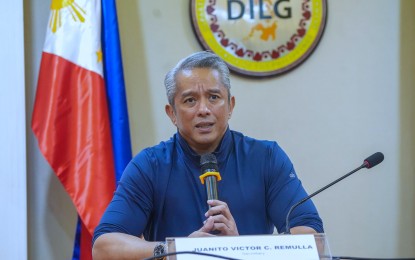
APRIL 13, 2026 — A shirtless construction worker in Mandaluyong has become the unlikely face of a national debate after being ticketed under the Department of the Interior and Local Government’s (DILG) Safer Cities Initiative. The incident forced Secretary Jonvic Remulla to apologize and order a review of the policy’s enforcement.
When police apprehended a man mixing cement outside his home in Barangay Addition Hills, Mandaluyong, for being shirtless, the image went viral. Suddenly, the Safer Cities Initiative — launched just a week earlier to curb drinking, smoking, and loitering — was under fire for what critics called “lack of common sense.” Nearly 6,000 people have been apprehended for going topless since April 6, and more than 60,000 for various violations across Metro Manila.
Remulla admitted fault, saying, “It was my fault that I did not give clearer instructions on how to do the Safer Cities Initiative. I will make amends and I will make sure that we will talk about this to clear things up.”
He even promised to personally visit the worker to apologize — a rare move for a Cabinet official.
The Safer Cities Initiative was meant to restore order in public spaces, targeting street drinking, smoking, and shirtless loitering. And yes, early data suggests it’s working: fewer disturbances, cleaner streets, and more visible police presence. But the Mandaluyong incident exposed the dangers of blanket enforcement without nuance.
Should a construction worker sweating under the sun be treated the same way as a drunk loiterer at midnight? That’s the heart of the debate.
The backlash was strong enough that Manila City suspended its ordinance implementation, pending clearer guidelines. Remulla, meanwhile, convened a command conference with PNP chief Gen. Jose Melencio Nartatez Jr. to recalibrate enforcement. He insists the initiative will continue, but with “limits of what should be done” clarified.
For many of us, this issue isn’t just about one shirtless man but about how government policies touch daily life — sometimes literally at our doorsteps. It’s about whether rules are applied with empathy and context, or blindly enforced. And it’s about accountability: a top official admitting lapses and promising reform.
The Safer Cities Initiative could evolve into something genuinely transformative if it balances discipline with compassion. But if it continues to ticket workers for simply doing their jobs, it risks becoming another example of overreach that alienates the very people it aims to protect.
Do you think Safer Cities can really make Metro Manila safer?
(Image: Philippine News Agency)