
Marcos cuts fuel taxes, slashes food tariffs: relief or recipe for disaster?
Marijo Farah A. Benitez • Ipinost noong 2026-04-13 17:44:44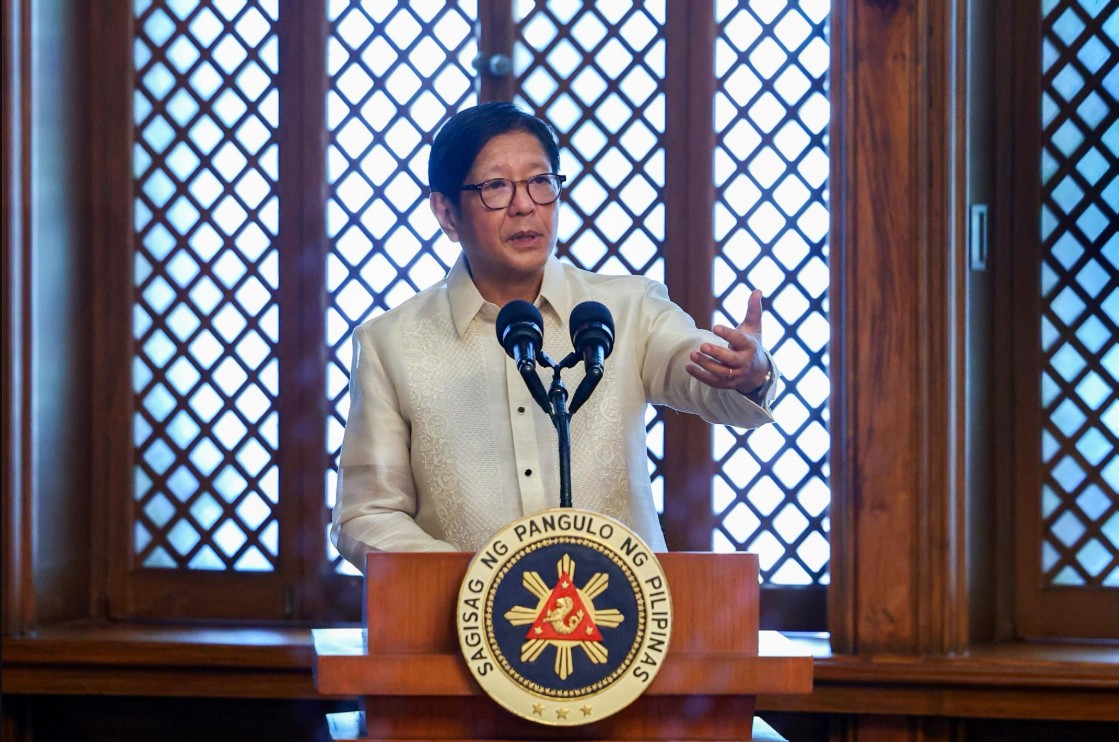
APRIL 13, 2026 — President Marcos has suspended excise taxes on LPG and kerosene, promising immediate relief for Pinoy households, while also waiving tariffs on food imports to stabilize prices amid global oil market turmoil.
The President stood before reporters on April 13 and declared, “Tinanggal ko na ang excise tax sa LPG at sa kerosene.”
(I have removed the excise tax on LPG and kerosene.)
For millions of Filipinos, this translates to P3.36 less per liter of LPG and P5.60 less per liter of kerosene — roughly P37 in savings per LPG tank. That’s a family’s weekly cooking budget suddenly breathing easier.
Marcos framed the move as a direct response to the collapse of US-Iran peace talks, which rattled global oil markets.
“Umaasa sana kami … ngunit mukhang hindi sila nakabuo ng deal,” he admitted.
(We had hoped … but it seems no deal was reached.)
Beyond fuel, the President also ordered tariff cuts on imported food and streamlined import permits to keep supplies flowing.
He assured the public, saying, “Wag pong mag-alala … sapat naman ang supply natin.”
(Do not worry … our supply is sufficient.)
Rice, meat, fish, and vegetables are expected to remain stable until the end of April.
But while cheaper imports may ease consumer costs, they also risk undercutting local farmers. Marcos tried to balance the narrative by promising that the Department of Agriculture will buy excess local produce to prevent farmer losses. It’s a delicate dance — protecting wallets without breaking the backs of producers.
Another small but telling measure: removing toll fees in fish ports. It sounds technical, but it means fishermen won’t have to pass on extra costs to buyers. In our country where fish is a staple, this could help keep prices of bangus, tilapia, and galunggong within reach.
Marcos himself acknowledged the balancing act.
“Kung may gagawin ka sa isang bahagi, may epekto ’yan sa kabilang bahagi,” he explained.
(If you act on one part, it affects another.)
Suspend taxes here, cut tariffs there — each move has ripple effects across the economy.
For households, the excise tax suspension is a welcome breather. For farmers, tariff cuts raise old fears of being sidelined. For the government, it’s a gamble: Can short-term relief co-exist with long-term sustainability?
This is the politics of survival. We are being told, “We’ve got you covered.” But the real test lies in execution.
Will cheaper LPG and kerosene actually reach consumers without middlemen pocketing the difference? Will imported food flood markets while local produce rot in warehouses?
The President’s measures are bold, but they also expose the fragility of our economic system — too dependent on global oil swings, too vulnerable to import reliance, too often reactive rather than proactive.
The question now is not whether these policies bring relief today, but whether they build resilience for tomorrow.
So, what do you think? Are we being cushioned from crisis, or merely delayed from the inevitable reckoning of an economy built on quick fixes?
(Images: Bongbong Marcos | Facebook)