
Dead dolphin found on Biliran shore — Natural loss or human impact?
Robel A. Almoguerra • Ipinost noong 2026-04-20 20:11:07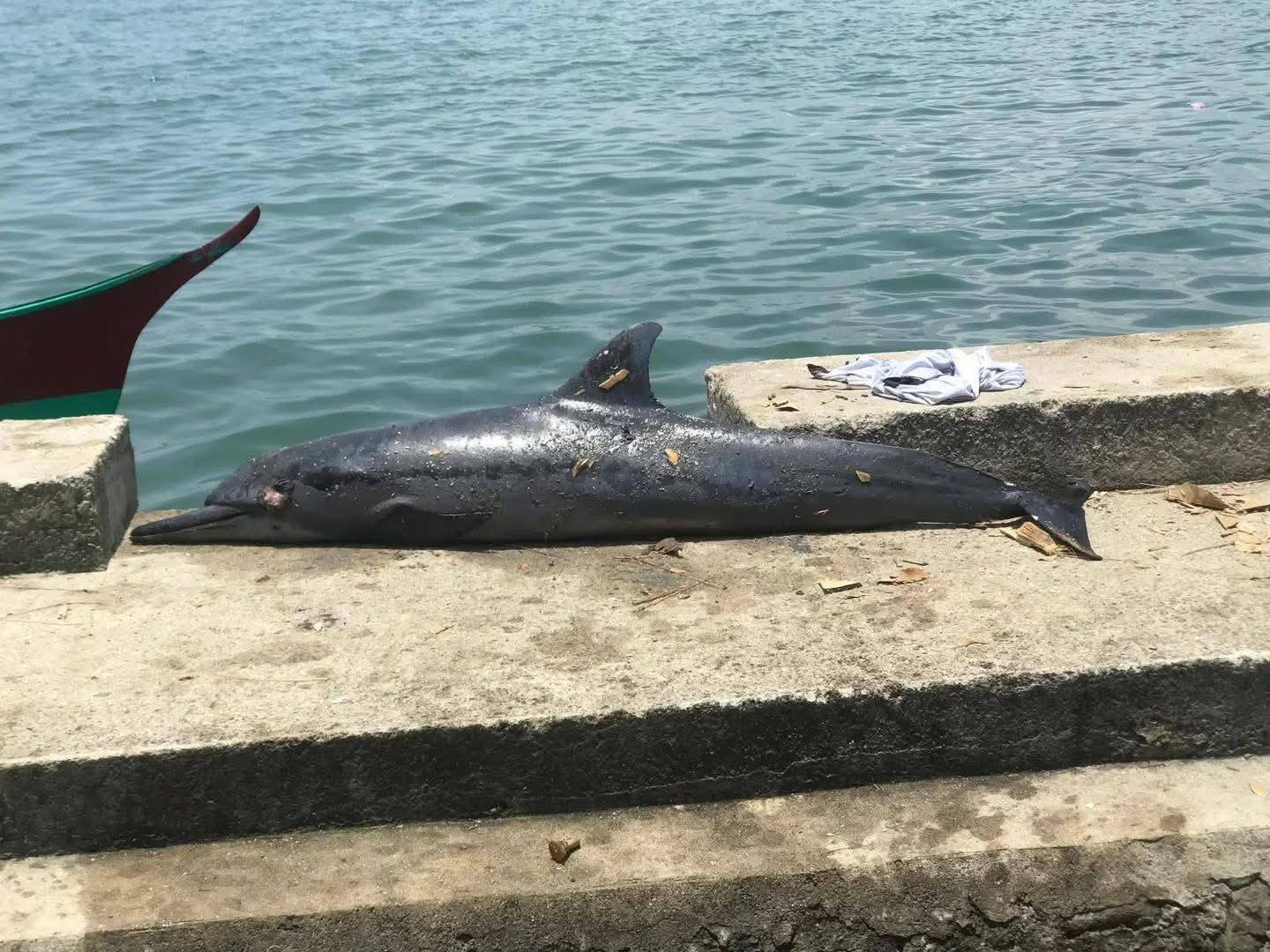
BILIRAN, Philippines — Residents of Barangay Burabod in Biliran were met with a troubling sight after a dolphin was found dead along the shoreline of the community. Photos shared locally showed the marine animal washed ashore on a concrete section of the coast, drawing concern from residents and environmental advocates.
Based on its visible features, particularly its long snout, observers believe the animal may have been a Spinner Dolphin, a species known for its agility and acrobatic spinning leaps. Dolphins are considered protected wildlife under Philippine law, and any stranding—whether the animal is alive or dead—typically requires immediate reporting to authorities such as the Bureau of Fisheries and Aquatic Resources or the local government.
While the exact cause of death has not been confirmed, stranded marine mammals can die from a range of factors: illness, entanglement in fishing gear, plastic ingestion, ship strikes, underwater noise disruption, habitat degradation, or disorientation caused by changing ocean conditions. In some cases, strandings are natural. In others, they are signs of environmental stress that often go unnoticed beneath the surface.
Dolphins are not only charismatic animals; they are also indicators of ocean health. When top marine species begin appearing dead on shores, it can signal wider problems in fisheries, pollution control, or coastal ecosystem balance.
The public is rightly reminded not to touch, cut, or misuse stranded wildlife—for both legal and health reasons. But beyond compliance, the event should prompt reflection on how communities interact with the sea that sustains them.
One dead dolphin may seem like a single sad incident. Yet sometimes one body on the shore represents many unseen struggles offshore.
When protected marine animals start washing up dead, are we witnessing rare accidents—or the visible symptoms of deeper damage in our oceans?
(Larawan mula: Bungto Han Biliran II / Facebook)