
ICC rejects Duterte appeal, drug war victims may get their day in court
Marijo Farah A. Benitez • Ipinost noong 2026-04-22 19:16:01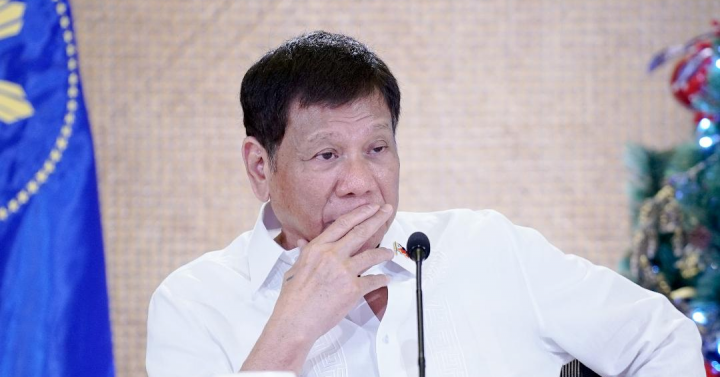
APRIL 22, 2026 — The International Criminal Court (ICC) Appeals Chamber has officially affirmed jurisdiction over Rodrigo Duterte’s crimes against humanity case, rejecting all four grounds of appeal raised by his defense. This ruling means the proceedings will continue, with the confirmation of charges expected soon — potentially leading to the first ICC trial against a former Asian head of state.
On April 22, 2026, the ICC Appeals Chamber in The Hague ruled that the court retains jurisdiction over Duterte’s case because the preliminary examination into the drug war began in February 2018 — well before the Philippines’ withdrawal from the Rome Statute in March 2019. Presiding Judge Luz del Carmen Ibáñez Carranza announced that the defense’s request for Duterte’s immediate release was “moot” after the rejection of all appeal grounds.
Duterte, now 81, faces charges as an “indirect co-perpetrator” in killings linked to his anti-narcotics campaign, spanning his years as Davao City mayor and later as president. Prosecutors allege thousands of deaths were part of a systematic attack against civilians.
Lawyers Joel Butuyan and Gilbert Andres, representing victims, welcomed the ruling, stressing that Philippine courts had “miserably failed” to investigate and prosecute officials behind the killings. Families of victims reportedly celebrated outside the ICC after the decision, seeing it as a long-awaited step toward justice.
This moment resonates deeply in the Philippines, where the drug war left scars in countless communities. For many, the ICC’s affirmation is not just about Duterte — it’s about whether international justice can succeed where domestic institutions faltered.
From Quezon City to Davao, the ruling sparks debate: Should we welcome international intervention, or does it undermine sovereignty?
Duterte’s camp insists there is no “smoking gun” linking his rhetoric to actual murders, but the ICC’s move signals that accountability cannot be brushed aside by political maneuvering.
The decision also places pressure on current leaders. How will the government respond to an international tribunal asserting jurisdiction over a former president? Will this embolden calls for transparency in other unresolved cases of abuse and corruption?
What comes next
The Pre-Trial Chamber is expected to decide by late April whether to confirm charges, dismiss them, or order further investigation. If charges are confirmed, Duterte’s trial could begin by the end of 2026.
For us Filipinos, this is more than a legal battle — it’s a test of collective memory. The ICC ruling forces us to confront uncomfortable truths about the drug war, the thousands of lives lost, and the silence of institutions meant to protect citizens.
If the ICC trial proceeds, will we finally see justice for the thousands who died in Duterte’s war on drugs, or will history repeat itself with impunity winning once again?
(Image: Philippine News Agency)