
UP chief defends DiliMall, GyudFood — 'Not commercialization'
Margret Dianne Fermin • Ipinost noong 2026-04-22 18:44:08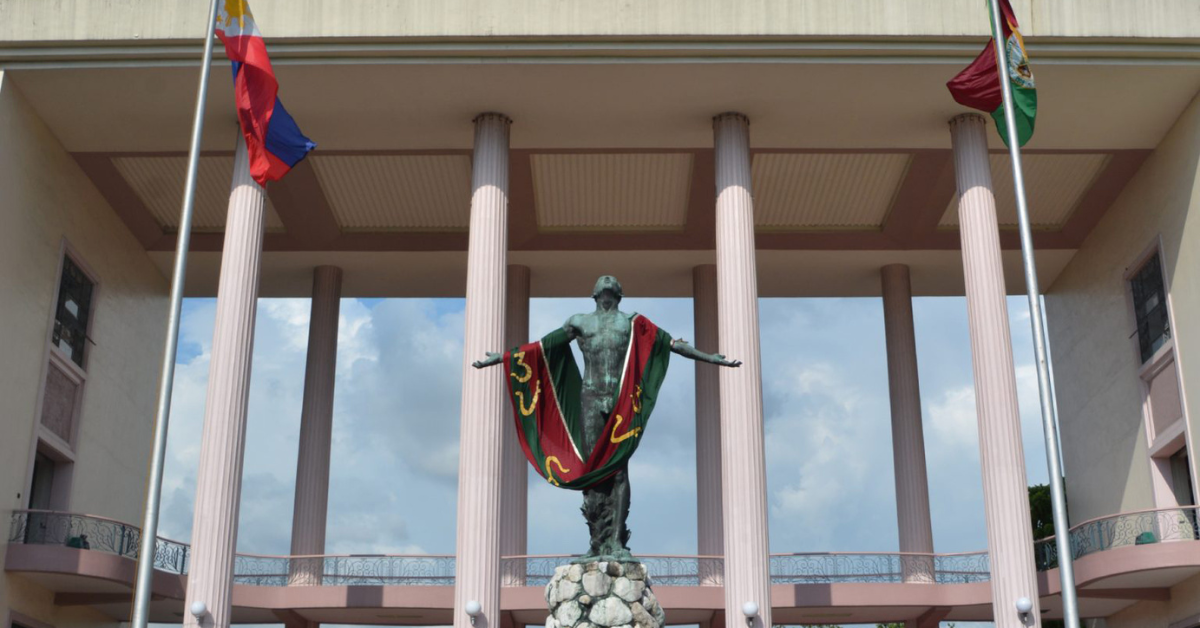
MANILA, Philippines — April 22, 2026. University of the Philippines (UP) President Angelo Jimenez has firmly stated that there is no commercialization happening inside the Diliman campus, despite criticisms over the construction of two new establishments, DiliMall and GyudFood. He emphasized that revenues generated from these facilities are used to support UP’s academic mission.
Jimenez explained in a chance interview that the projects were initiated by previous administrations and not by his leadership. “We all know that we need that. That’s not commercialization, that’s utilization of assets,” he said, noting that similar arrangements exist outside the Diliman campus, such as the UP TechnoHub along Commonwealth Avenue and the UP Town Center along Katipunan Avenue.
The president clarified that the income from DiliMall and GyudFood is directed toward advancing UP’s functions, including scholarships, faculty welfare, and improvements to classrooms and laboratories. He stressed that the developments are not for private gain but rather for strengthening the university’s capacity to deliver quality education and research.
The Office of the Ombudsman has ordered Jimenez, his predecessor Danilo Concepcion, and other UP officials to respond to criminal and administrative complaints filed by displaced vendors of the old UP Shopping Center. The vendors argued that the construction of DiliMall and GyudFood displaced small businesses that had long been part of the campus community.
Jimenez welcomed the filing of complaints, saying it would provide an “opportunity” for the UP System to explain its side. He also pointed out that as UP president, he inherited many projects from past administrations. “When you’re UP president, you inherit so many things,” he remarked.
The UP administration has maintained that lease agreements for the new Diliman Shopping Center are legally sound and were subjected to due diligence. It assured the community that small vendors remain part of campus life, citing the continued presence of food stalls, kiosks, and ambulant carts around the Academic Oval. “The taho vendor, the banana cue seller, and the photocopy stall are as much a part of UP life as the classrooms and libraries,” the university said in a statement.
The controversy over DiliMall and GyudFood reflects a broader debate within UP about balancing modernization with tradition. While critics argue that the developments represent creeping commercialization, the administration insists they are necessary steps to sustain the university’s operations and support its academic community.
This issue remains under investigation by the Ombudsman, and the outcome could shape future policies on land use and development within the UP Diliman campus.
Image from UP