
Senate braces for Sara Duterte impeachment trial while racing to pass priority bills
Marijo Farah A. Benitez • Ipinost noong 2026-05-04 10:28:32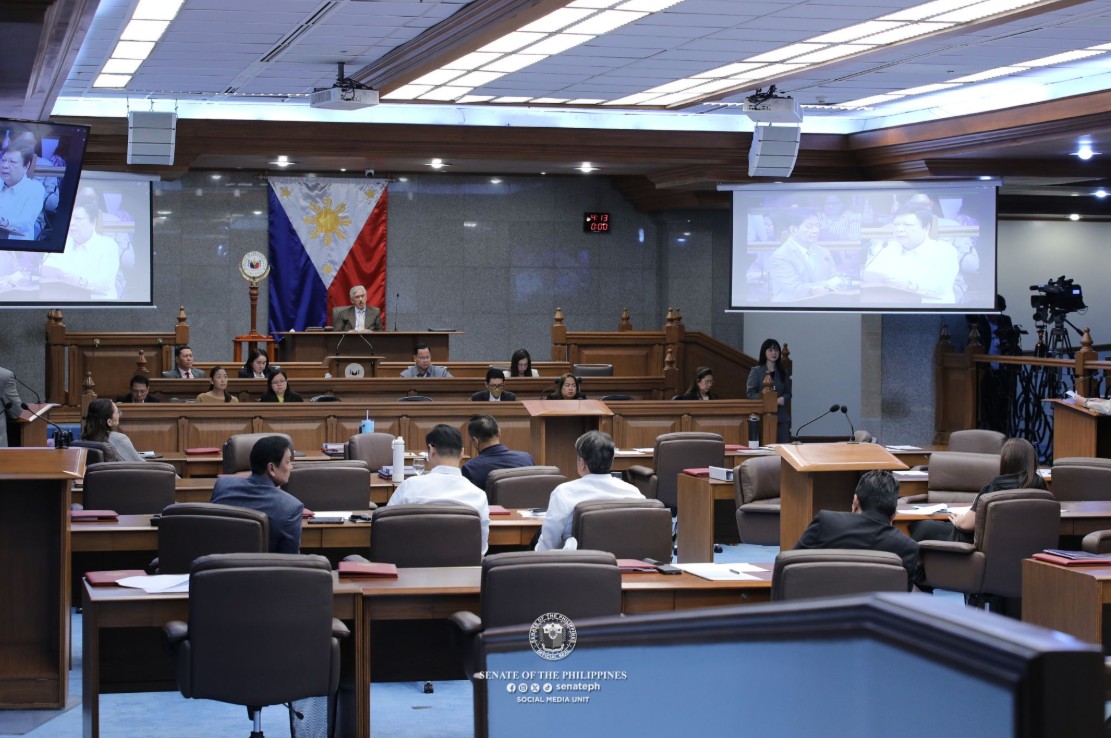
MAY 4, 2026 — The Senate resumes session today, May 4, with a packed agenda — balancing the looming impeachment trial of Vice President Sara Duterte and the passage of at least 17 priority bills identified by the Legislative-Executive Development Advisory Council (LEDAC). Senate President Vicente “Tito” Sotto III has vowed swift action once the House transmits the Articles of Impeachment, while assuring that legislative work will not be sidelined.
The Upper Chamber is entering one of its busiest stretches in recent memory. After a month-long recess, senators return to face two major responsibilities: acting as an impeachment court and pushing through urgent legislation.
Sotto made it clear in interviews, stating, “We will act on it with dispatch … Definitely, forthwith.”
He explained that once the Articles of Impeachment are received, the matter will be referred to the Committee on Rules to set the timetable and procedures. If the House transmits the complaint by May 11 or 12, the Senate could convene as an impeachment court by May 13.
At the same time, Sotto emphasized that the chamber will continue legislative work, focusing on “low-lying fruit” — measures already in advanced stages of deliberation.
“Our legislative work will not be sidelined. Even if the Articles of Impeachment arrive in the Senate, we will not forgo our legislative work,” he stressed.
Senate President Pro Tempore Panfilo “Ping” Lacson is set to deliver his Chairman’s Progress Report on the Blue Ribbon Committee’s investigation into flood control anomalies.
He explained, “As Blue Ribbon Chairman I owe it to the Filipino people to update them on what happened after seven to eight hearings. This is because many are not updated and especially because there are false narratives being spread that we are covering up for some persons and targeting others.”
Lacson hinted that his privilege speech may include new documents or evidence, with plans to share findings with the Department of Justice and the Ombudsman. Hearings could resume before adjournment on June 6, with lawmakers and former soldiers expected to be invited to shed light on alleged cash deliveries tied to anomalous projects.
Beyond impeachment and investigations, senators are lining up reforms with direct impact on governance and everyday life:
- Anti-Political Dynasty Law – aimed at curbing entrenched family rule
- Party-List Reform Act – refining representation in Congress
- Right to Information Act – strengthening transparency and accountability
- Independent People’s Commission Act – enhancing oversight of government institutions
- Economic measures – amendments to the Bank Secrecy Law, revisions to the Coconut Farmers and Industry Trust Fund Act, and review of the Estate Tax Amnesty program
- Social programs – amendments to the Pantawid Pamilyang Pilipino Program (4Ps), Waste-to-Energy bill, reforms to the Electric Power Industry Reform Act (EPIRA), adjustments to the Rice Tariffication Law, and creation of a Department of Water Resources.
These bills, many already advanced in committee stages, are expected to move quickly before Congress adjourns sine die in early June.
This convergence of impeachment drama and legislative action means the Senate will be working double time. On one hand, the impeachment trial will test the institution’s ability to uphold accountability. On the other, the passage of reforms — from political dynasty regulation to economic safety nets — could reshape governance and ease everyday burdens.
The stakes are high: transparency laws could empower citizens, reforms in 4Ps and rice tariffs could affect household budgets, and energy and water resource bills could address long-standing infrastructure gaps.
With the Senate juggling impeachment and reform, will this session deliver both accountability and progress that Filipinos have long been waiting for?
(Image: Senate of the Philippines | Facebook)