
Salceda delivers 28k masks in Albay — Are response efforts keeping pace with risk?
Robel A. Almoguerra • Ipinost noong 2026-05-03 20:50:33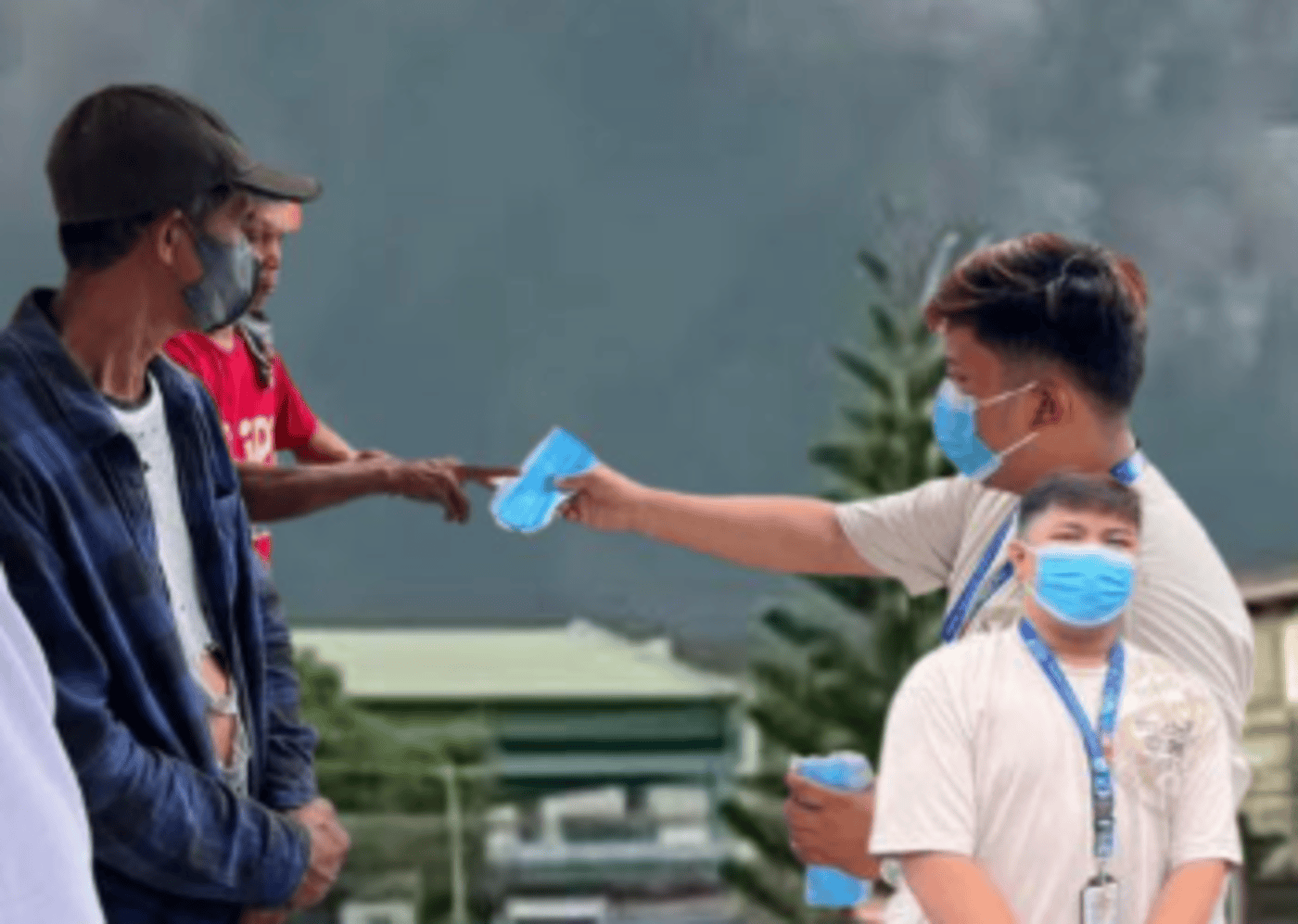
GUINOBATAN, Albay — In response to the ongoing ashfall from Mayon Volcano, more than 28,000 face masks were distributed to residents across 24 barangays in Guinobatan on May 3, 2026. The initiative was led by Raymund Adrian Salceda, aiming to protect vulnerable sectors including children, the elderly, and individuals with existing health conditions.
The mass distribution comes as volcanic ash continues to pose serious health risks, particularly respiratory issues caused by fine ash particles. Salceda emphasized the urgency of preventive measures, stating that safeguarding residents from potential harm remains a top priority as Mayon’s activity persists.
Beyond face masks, authorities have also announced the next phase of relief efforts, which includes distributing food packs to around 10,000 families in Guinobatan and nearby Ligao City. These efforts highlight a coordinated response to both immediate health concerns and the broader needs of affected communities.
While the swift action has been widely acknowledged, it also opens a deeper conversation about disaster management in high-risk areas. Relief operations—such as mask and food distribution—are critical during emergencies, but they often address only the immediate effects of recurring natural hazards.
Communities around Mayon have long lived under the constant threat of eruptions, making preparedness not just a necessity but a continuous responsibility. This raises an important issue: are efforts focused enough on long-term resilience, such as infrastructure, relocation planning, and sustained health systems? Or do responses remain largely reactive, activated only after the impact is already felt?
The situation in Albay reflects both compassion and urgency—but also the ongoing challenge of turning short-term aid into long-term solutions.
As relief continues to reach affected communities, are we building lasting protection—or simply responding to the same crisis over and over again?
(Larawan mula: Maya News / Facebook)