
Airfares soar as CAB hikes fuel surcharge to record level
Marijo Farah A. Benitez • Ipinost noong 2026-04-23 10:18:52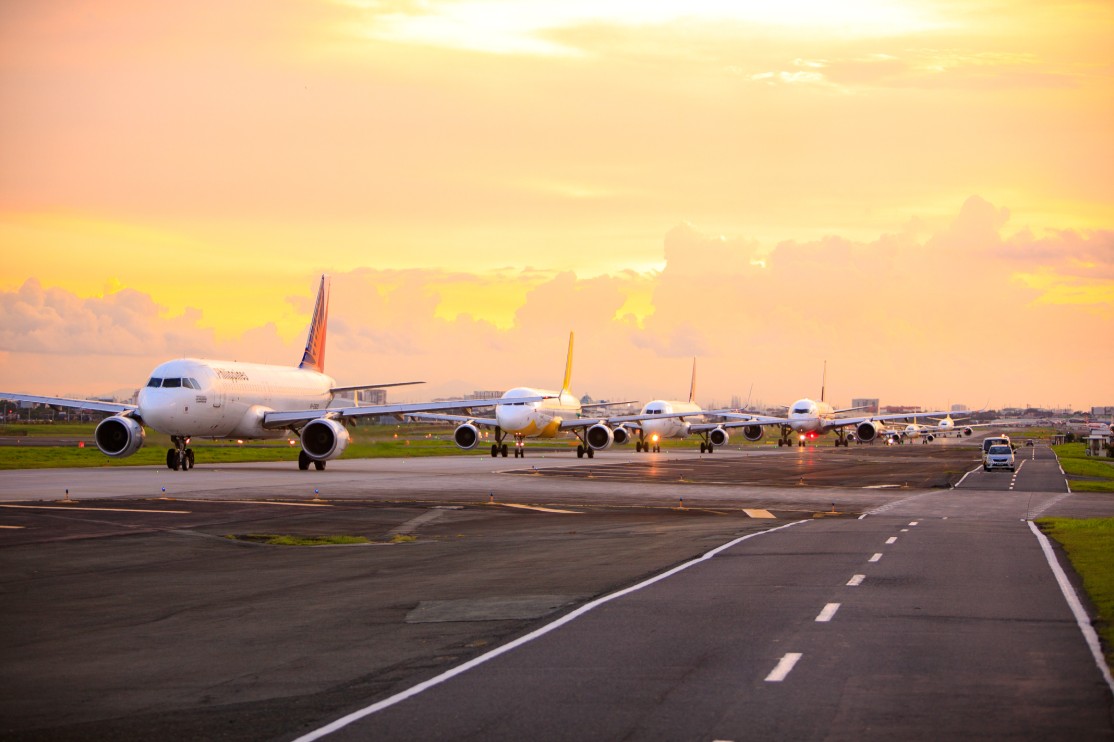
APRIL 23, 2026 — Airfares in the Philippines are set to climb sharply as the Civil Aeronautics Board (CAB) approved a record-high fuel surcharge at Level 19, just one notch below the maximum allowable rate. This means passengers will shoulder additional costs ranging from ₱627 for short domestic flights to as much as ₱15,397 for long-haul international routes.
The CAB’s advisory, dated April 13 but released April 22, marks a dramatic jump from Level 8 earlier this month. The surcharge took effect April 16 and will remain until April 30.
For domestic flights, passengers now face ₱627 to ₱1,834 in extra fees, while international travelers will pay ₱2,070.77 to ₱15,397.15, depending on distance.
This isn’t just a technical adjustment but a direct hit to travelers’ pockets. A family flying from Manila to Hong Kong could see their ticket price rise by over ₱2,000 per person. For overseas workers heading to Europe or North America, the surcharge alone could rival a month’s salary.
Why the sudden spike?
Global jet fuel prices have surged to $184.63 per barrel as of April 17, more than double last year’s levels, driven by supply constraints from the ongoing war in the Middle East.
Transportation Secretary Giovanni Lopez explained, “Pre-war, the airline companies are buying [jet fuel] at $80 to $90 per barrel. Now it's hitting $200 per barrel.”
To cushion volatility, the CAB shifted from monthly to 15-day monitoring cycles, allowing faster adjustments. But this also means passengers could see fares swing more frequently, with little time to plan.
AirAsia Philippines admitted the surcharge helps offset ballooning costs: “While rising fuel costs continue to impact airline business models built on affordable fares, we continue to find ways to keep travel as accessible as possible without compromising the safety and reliability of our flights.”
Yet for ordinary Pinoys, “accessible” feels like a moving target. Budget-conscious travelers — students, OFWs, small business owners — now face a tough choice: pay more, postpone trips, or cancel altogether.
The Philippines still has a 60-day reserve of jet fuel, according to the Department of Energy, but reserves don’t shield passengers from surcharges. Airlines argue the fees are optional, but in practice, most carriers impose them to survive.
Are surcharges a fair way to balance airline survival with passenger burden? Or are we being asked to subsidize inefficiencies in an industry that has long leaned on “low-cost” branding?
(Image: NAIA | Facebook)