
Electric car sales explode in March as Pinoys ditch gas — can the surge reshape the nation’s auto industry?
Marijo Farah A. Benitez • Ipinost noong 2026-04-21 18:56:19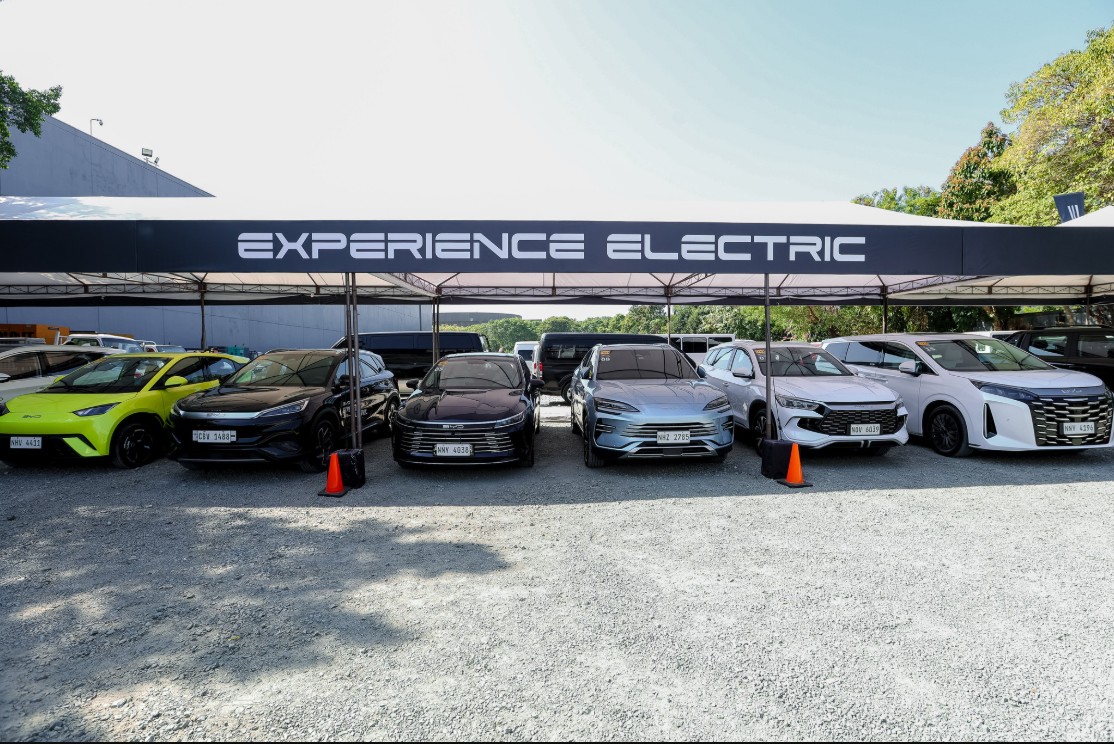
APRIL 21, 2026 — Electric vehicle sales in the Philippines more than doubled in March 2026, with battery EVs posting explosive growth of nearly 486% month-on-month, as soaring fuel prices and the government’s declaration of a national energy emergency pushed motorists to rethink their choices. This marks a turning point in Filipino car-buying behavior, with electrified vehicles now accounting for 17% of the market.
Industry data from CAMPI and TMA show total vehicle sales in March hit over 39,000 units, slightly higher than February’s 37,700.
But the real story lies in electrified vehicles: 6,148 EVs sold in March, more than double February’s 3,054. That’s a 101.3% jump in just one month. Year-to-date, EV sales reached 11,800 units, up 36% from the same period last year.
Breaking it down:
- Hybrid EVs (HEVs): 3,667 units, up 48.5% from February
- Battery EVs (BEVs): 1,787 units, surging 485.9%
- Plug-in hybrids (PHEVs): 694 units, up 148.7%
This means electrified options now hold 17% of the total market, compared to just 7.4% a year ago.
CAMPI president Jose Maria Atienza explained, “xEV adoption is mainly driven by users’ growing understanding and acceptance of electrified technologies.”
He added that the national energy emergency declaration has accelerated consumer behavior, forcing motorists to weigh the long-term costs of gasoline dependency.
Pinoys are feeling the pinch at the pump. Diesel prices recently rolled back by ₱24.94 per liter, but volatility remains. For many, EVs are no longer futuristic luxuries — they’re practical alternatives.
The market leaders
Japanese brands still dominate the market:
- Toyota: 17,622 units sold in March, 49% market share
- Mitsubishi: 6,239 units, 17% share
- Suzuki, Nissan, Honda: each capturing 4–5% of the market.
But Chinese brands like BYD and Geely, though outside CAMPI-TMA, are quietly carving space in the EV segment, offering cheaper BEVs that appeal to middle-class buyers.
A Filipino crossroads
This surge in EV sales is more than numbers — it’s a reflection of how Filipinos are adapting to the crisis. For decades, our car culture has been tied to gasoline, with jeepneys and tricycles symbolizing mobility. Now, the energy emergency is pushing us to confront a hard truth: our dependence on fossil fuels is unsustainable.
The question is whether this momentum will last. EV adoption faces hurdles — charging infrastructure, upfront costs, and consumer skepticism. Will the government match its emergency declarations with real investment in EV-friendly policies? Or will this boom fade once fuel prices stabilize?
Pinoys are practical. If EVs prove cheaper to run and easier to maintain, the masses will embrace them. But if they remain niche, the promise of cleaner, cheaper transport may stall.
Do you believe we’re witnessing the birth of a true electric revolution in the Philippines, or just a temporary detour forced by high fuel prices?
(Image: BYD Cars Philippines | Facebook)