
A toy’s sad face, a society’s reflection — Why did a ‘crying horse’ capture the hearts of millions in China?
Robel A. Almoguerra • Ipinost noong 2026-01-27 23:32:33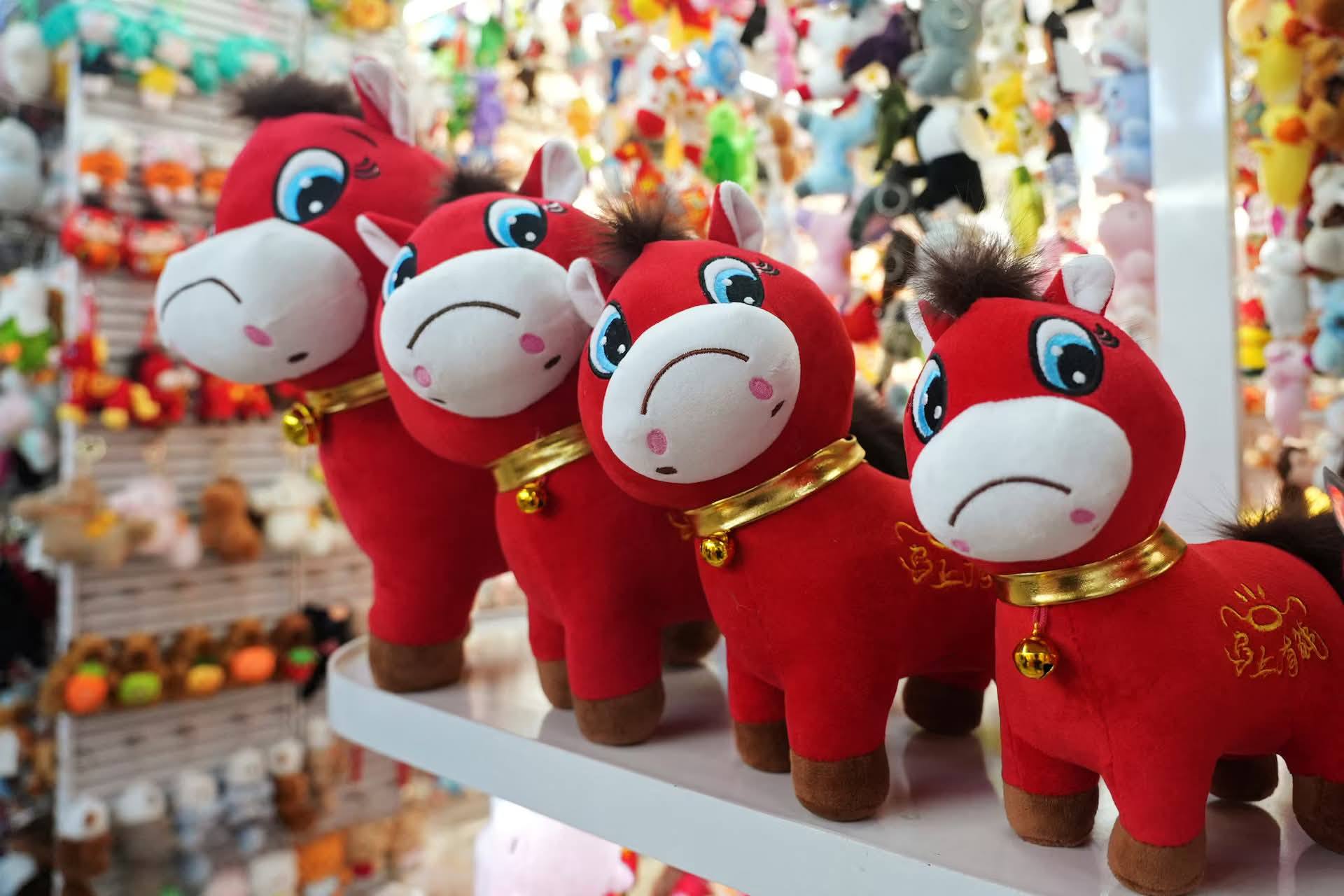
CHINA — What was meant to be a cheerful Lunar New Year decoration has unexpectedly turned into a global internet sensation. In China, a red plush toy now famously known as the “crying horse” has gone viral for its oddly sad, almost embarrassed expression. With a golden bell hanging from its neck and eyes that appear to be welling with tears, the toy has captured the attention—and emotions—of millions online.
The plush horse surfaced just ahead of the Spring Festival holiday, which marks the arrival of the Year of the Horse in the Chinese zodiac. According to reports, the toy was originally designed to look joyful and festive, in keeping with traditional Lunar New Year symbols of luck, prosperity, and optimism. However, a manufacturing error reportedly reversed the stitching of the horse’s mouth, transforming a smile into a frown. The result was a toy that looked less celebratory and more emotionally defeated—yet irresistibly endearing.
What makes the “crying horse” phenomenon remarkable is not just the mistake itself, but the public’s reaction to it. Netizens quickly embraced the toy, projecting their own feelings of fatigue, pressure, and quiet sadness onto its expression. In a fast-paced society where public displays of vulnerability are often discouraged, the plush horse became an unspoken outlet—a symbol of emotions many people feel but rarely express. Its popularity suggests that people are drawn not only to perfection, but to authenticity, even when that authenticity comes from a flaw.
In a way, the “crying horse” reflects a deeper cultural moment. It raises questions about how modern society relates to emotions, imperfection, and the growing need for comfort objects in stressful times. A simple production error turned into a mirror of collective sentiment, reminding us that sometimes, what resonates most is not happiness manufactured to be flawless, but emotion that feels real.
So in an age of curated joy and constant optimism, why are we finding comfort in a toy that looks like it needs a hug? (Larawan mula sa: Nicoco Chan/Reuters / Reuters)