
Health officials track nipah virus Philippines risk amid India outbreak
Margret Dianne Fermin • Ipinost noong 2026-01-28 16:25:54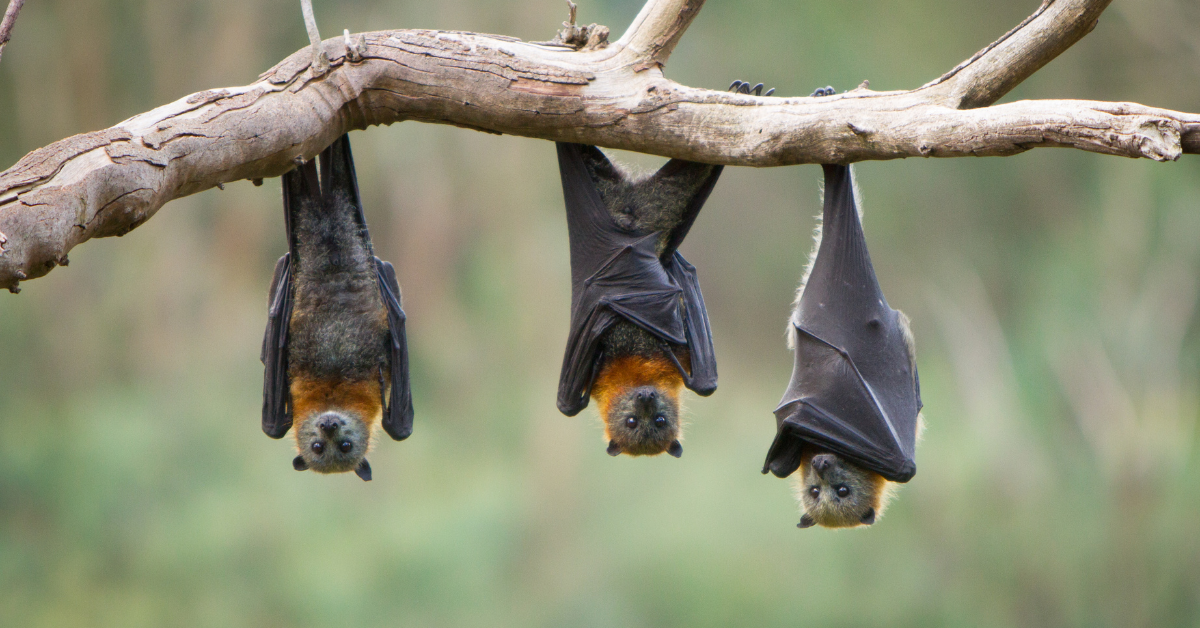
MANILA — January 28, 2026 — As India races to contain a deadly outbreak of Nipah virus in West Bengal, health authorities across Asia, including the Philippines, are closely monitoring developments. The virus, known for its high fatality rate and lack of specific treatment, has once again raised alarms about the region’s vulnerability to emerging infectious diseases.
Nipah virus, first identified in Malaysia in 1998, is a zoonotic pathogen carried by fruit bats. It can spread to animals such as pigs and, ultimately, to humans. The World Health Organization classifies it as a priority disease due to its epidemic potential. With a fatality rate ranging from 40 to 75 percent, it is considered far more lethal than seasonal influenza.
In the latest outbreak, Indian health officials confirmed several cases in Barasat, West Bengal, with nearly 100 people placed under quarantine. Two patients were transferred to infectious disease hospitals in Kolkata after showing severe symptoms, including fever, headache, and signs of encephalitis. Authorities have traced the infections to close contact with contaminated food and animals, underscoring the virus’s ability to jump between species.
Symptoms of Nipah virus often begin like the flu, with fever, muscle pain, and sore throat. As the disease progresses, patients may experience dizziness, seizures, and acute brain inflammation. Survivors sometimes suffer long-term neurological complications, making the virus not only deadly but also debilitating for those who recover.
In the Philippines, the Department of Health has assured the public that no Nipah virus cases have been detected locally. However, officials acknowledge that the country’s fruit bat population makes it susceptible to potential spillover. Surveillance systems have been heightened, and hospitals have been reminded to report unusual clusters of severe respiratory or neurological illness.
Health experts warn that misinformation can spread as quickly as the virus itself. They emphasize that prevention remains the best defense: avoiding consumption of fruit potentially contaminated by bats, practicing good hygiene, and strengthening hospital infection control. Regional cooperation is also critical, as outbreaks in one country can quickly spill across borders.
The situation in India has reignited discussions about global preparedness for emerging diseases. With no vaccine or specific antiviral treatment available, the Nipah virus remains a stark reminder of the gaps in public health systems. For the Philippines, the outbreak serves as a wake-up call to invest in research, surveillance, and rapid-response mechanisms before the virus reaches its shores.
As India continues its containment efforts, the rest of Asia watches closely. For Filipinos, the message is clear: vigilance is essential, and awareness of Nipah virus is the first step in preventing a potential crisis.