
When a city built for winter is overwhelmed, what does Sapporo’s record snowfall tell us about climate change?
Robel A. Almoguerra • Ipinost noong 2026-01-27 23:40:19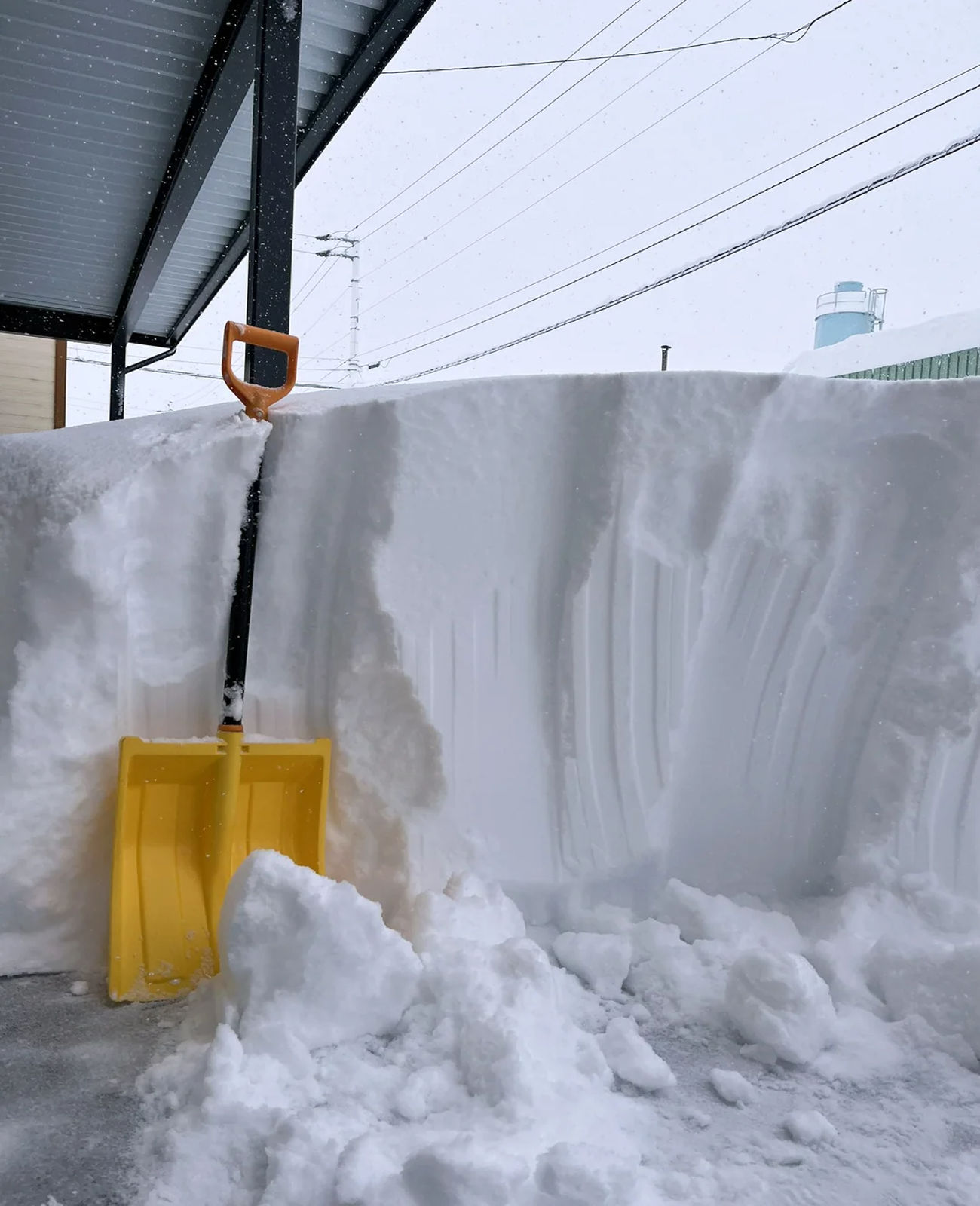
JAPAN — Sapporo, the capital of Japan’s northern island of Hokkaido, is no stranger to snow. Yet even for a city internationally known for its winter resilience, the events of January 25, 2026 were extraordinary. In just 24 hours, more than one meter of snow blanketed the city—marking the heaviest snowfall ever recorded in Sapporo for the month of January. The sudden deluge brought daily life to a near standstill, underscoring how even the most prepared urban centers can be pushed to their limits.
Transportation systems were among the hardest hit. At least 7,000 passengers were stranded at New Chitose Airport after flights were canceled, while train services across the region were suspended. Roads became impassable, buses halted operations, and videos from Sapporo’s Chuo Ward showed vehicles buried in snow, forcing residents and tourists alike to work together to push cars free. In an unexpected gesture of hospitality, the Sapporo Aquarium opened its doors for free to accommodate stranded travelers—a small but meaningful reminder of community solidarity amid crisis.
Beyond the immediate disruption, this record-breaking snowfall invites a deeper conversation. While extreme cold and snow may seem to contradict global warming narratives, scientists have long warned that climate change can intensify weather extremes. Warmer air holds more moisture, which can translate into heavier snowfall when temperatures drop. Events like Sapporo’s historic storm may no longer be rare anomalies but part of a broader pattern of climate volatility.
As cities around the world grapple with increasingly unpredictable weather, Sapporo’s experience raises urgent questions about infrastructure readiness, disaster response, and long-term planning. If even winter-hardened regions are being tested, what does this mean for communities less equipped to face such extremes—and are we truly prepared for the climate realities ahead? (Larawan mula sa: Reddit)