
Netanyahu says Israel has ‘many surprises’ for Iran — Can Israel and Iran ever reconcile again?
Robel A. Almoguerra • Ipinost noong 2026-03-08 22:32:17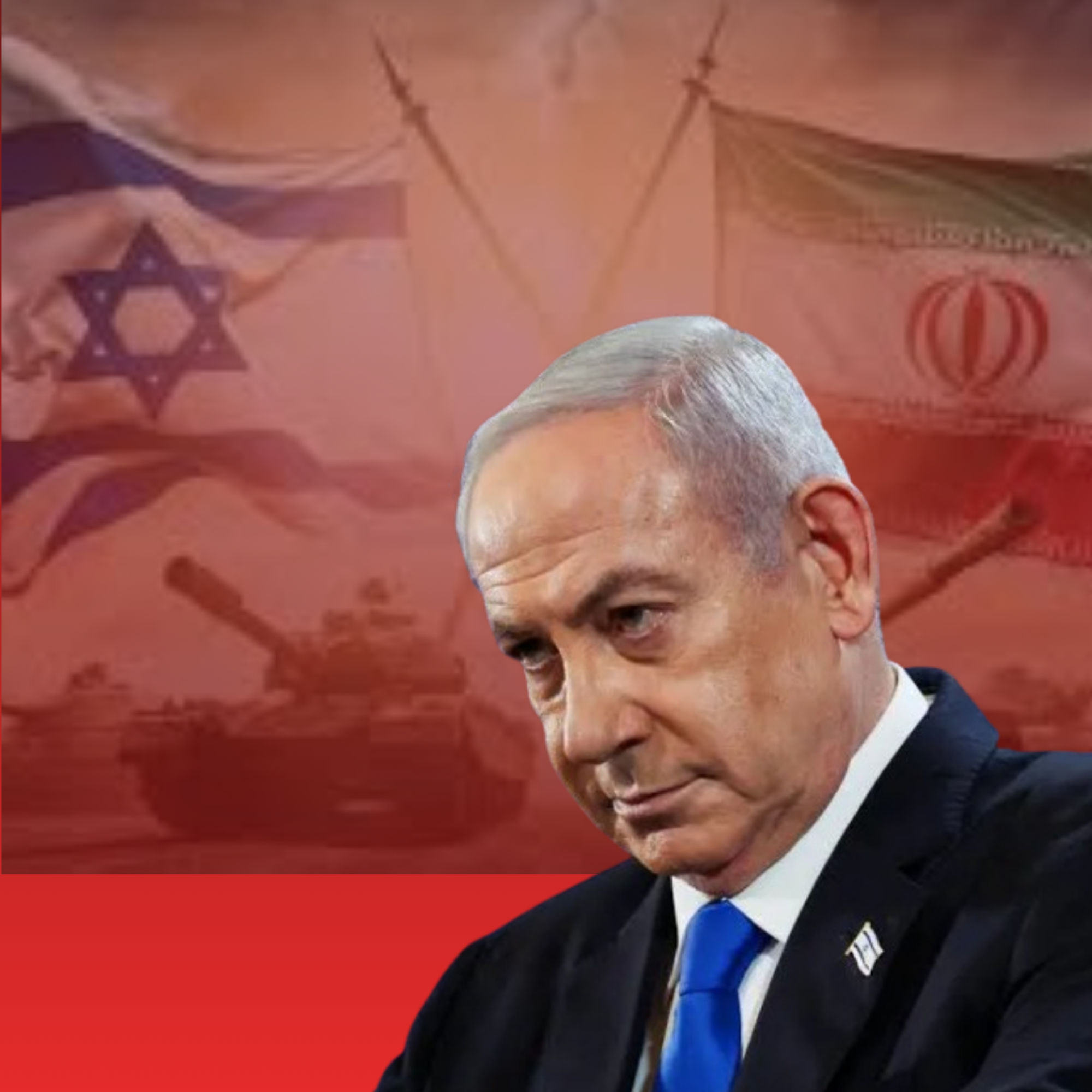
ISRAEL — Rising tensions in the Middle East continue to draw global attention after Benjamin Netanyahu signaled that Israel may pursue stronger actions against the current leadership of Iran.
In recent remarks, the Israeli prime minister suggested that Israel has “many surprises” prepared as part of its strategy against Iran’s Islamist government. Netanyahu also expressed a long-term vision in which Iran—historically known as Persia—could one day restore friendly relations with Israel, similar to the diplomatic ties the two countries once maintained before the Iranian Revolution of 1979.
Prior to that revolution, Iran and Israel were considered strategic partners in the region. The overthrow of the Iranian monarchy and the establishment of the Islamic Republic dramatically shifted the geopolitical landscape, turning the two nations into bitter rivals over the following decades.
Netanyahu’s remarks appear to signal a continuation of Israel’s firm stance against Iran’s political leadership, which Israeli officials have frequently accused of supporting regional groups hostile to Israeli interests. However, statements hinting at the possible collapse of another country’s government are highly sensitive in international politics and can further escalate already volatile relations.
The tension between the two nations is not merely a regional dispute. Because both countries play significant roles in the geopolitics of energy and security, developments involving them can have far-reaching global consequences.
One immediate concern is the potential impact on global oil markets. Instability in the Middle East—home to many of the world’s largest oil reserves—often leads to fluctuations in petroleum supply and prices. For countries like the Philippines that rely heavily on imported fuel, such shifts can translate quickly into higher transportation costs, increased electricity prices, and inflation affecting everyday goods.
Beyond economics, the broader issue remains the risk of escalation. History has shown that when rhetoric between rival states intensifies, it can create a chain reaction involving allies, regional powers, and global stakeholders.
Netanyahu’s statement may be interpreted as strategic messaging, but it also highlights how fragile the balance of power in the region remains.
If long-standing rivals openly talk about regime change and strategic “surprises,” does it open the door to eventual peace—or push the region closer to another prolonged conflict?
(Larawan mula sa: The Sunday Guardian, The Wall Street Journal)