
Massive landslide hits Central Aceh, Indonesia — Natural disaster or warning of worsening climate and land risks?
Robel A. Almoguerra • Ipinost noong 2026-04-23 21:11:31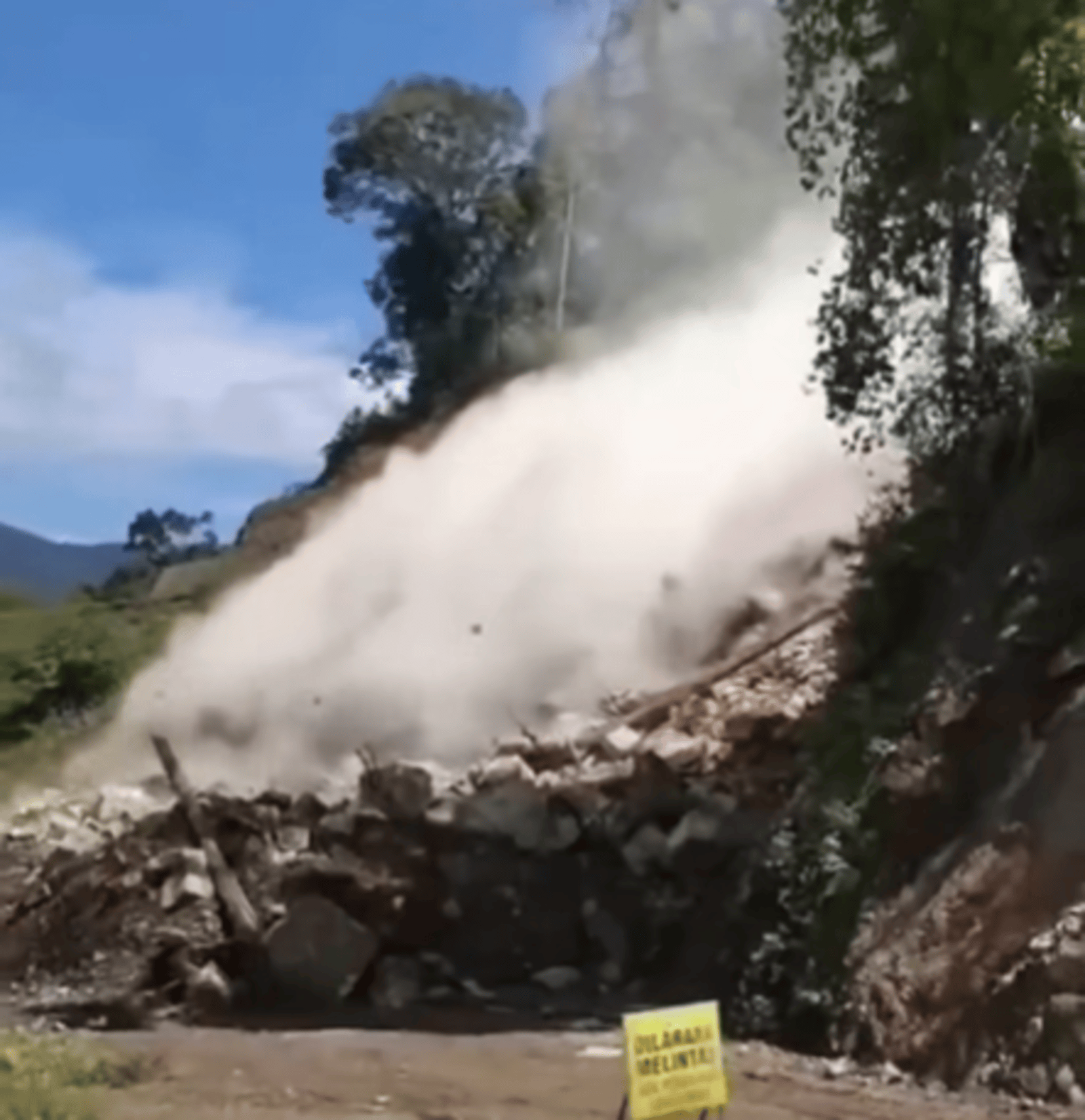
ACEH, Indonesia — A major landslide struck the Km 37 Gunong Pijut area in the Rusip Antara District of Central Aceh on April 22, 2026, sending huge rocks, soil, and debris onto the roadway and bringing transportation in the area to a standstill. Local authorities have begun clearing operations in an effort to restore access, while residents and travelers have been urged to remain alert for further slope failures.
The incident is believed to have been triggered by days of heavy rainfall across Aceh, which likely weakened the ground on steep mountain slopes. In many upland regions, prolonged rain saturates the soil, reduces stability, and increases the chance of sudden collapse—especially in areas with sharp gradients or disturbed vegetation.
At first glance, landslides are often seen as unavoidable acts of nature. Rain falls, mountains move, roads close. But many disasters occur where natural hazards meet human vulnerability. Road construction through unstable terrain, inadequate drainage, deforestation, quarrying, and limited hazard monitoring can all increase the danger.
For communities in mountainous regions, blocked roads are more than traffic inconveniences. They can delay food deliveries, isolate villages, interrupt schooling, slow emergency response, and disrupt livelihoods. In some cases, secondary landslides occur during cleanup efforts, placing responders at additional risk.
The event also reflects a growing global concern: extreme rainfall episodes appear more frequent and more intense in many regions. Whether directly tied to climate change or not in each single case, changing weather patterns can amplify existing geological risks.
Preparedness therefore matters as much as response. Slope monitoring systems, drainage management, land-use controls, vegetation protection, and early warnings can reduce losses before the next storm arrives.
This landslide may clear in days, but the questions it raises will remain longer. When roads keep collapsing after heavy rains, are these merely natural events—or evidence that development and climate pressures are outpacing preparedness?
(Larawan mula: Aceh_Antara / Instagram)