
Iran names Mojtaba Khamenei supreme leader after father killed in U.S.-Israeli strike
Margret Dianne Fermin • Ipinost noong 2026-03-10 11:19:37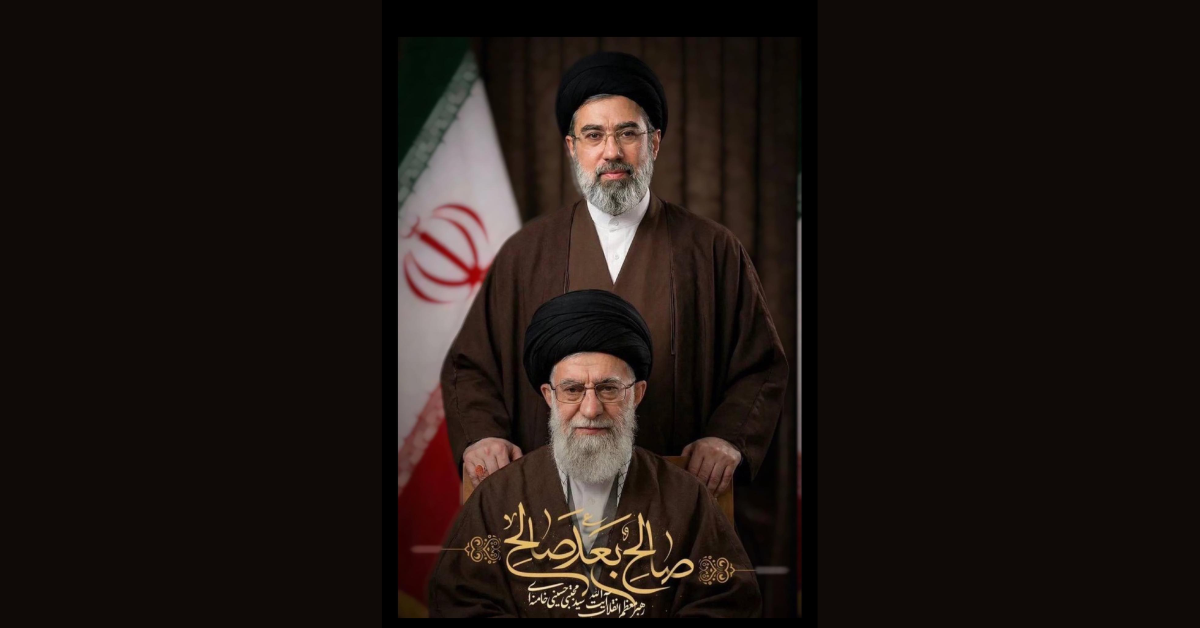
Mojtaba Khamenei, the 56-year-old son of the late Ayatollah Ali Khamenei, has officially been named Iran’s new supreme leader by the Assembly of Experts, following his father’s assassination in joint U.S.-Israeli strikes. His appointment signals continuity of hardline rule in Tehran amid escalating regional conflict.
TEHRAN, March 9, 2026 — Iran’s Assembly of Experts announced that Ayatollah Seyyed Mojtaba Hosseini Khamenei has been chosen as the country’s third supreme leader, succeeding his father Ali Khamenei, who was killed in a U.S.-Israeli attack earlier this month.
The clerical body confirmed the decision in an extraordinary session, stating, “By a decisive vote, the Assembly of Experts appointed Ayatollah Seyyed Mojtaba Hosseini Khamenei as the third leader of the Islamic Republic of Iran.”
Mojtaba Khamenei was born in 1969 in Mashhad and has long been considered a powerful figure within Iran’s political and military establishment. A mid-ranking cleric, he is known for his close ties to the Islamic Revolutionary Guard Corps (IRGC) and his influence over Iran’s vast business networks, many of which were built under his father’s leadership. Analysts say his rise consolidates the dominance of hardliners at a time when Iran is facing its gravest crisis in decades.
His appointment comes as Iran grapples with the aftermath of Ali Khamenei’s death, which has plunged the region into war. The strikes that killed the elder Khamenei marked a dramatic escalation in hostilities between Iran, the United States, and Israel. Mojtaba now inherits the role of commander-in-chief of the Iranian armed forces, a position that grants him ultimate authority over the country’s military and security apparatus.
International reactions have been swift. U.S. President Donald Trump described Mojtaba as “an unacceptable option,” signaling Washington’s refusal to recognize his legitimacy. Regional observers warn that his leadership could intensify Iran’s confrontational stance, given his reputation as a hardliner deeply entrenched in the country’s ideological and military elite.
Domestically, Mojtaba’s succession has raised questions about dynastic politics within the Islamic Republic. While the Assembly of Experts is constitutionally tasked with electing the supreme leader, critics argue that the process has been heavily influenced by entrenched power structures. His ascension marks the first time in Iran’s history that the role has passed directly from father to son, a development that could reshape perceptions of legitimacy among the Iranian public.
For now, Mojtaba Khamenei faces the daunting challenge of steering Iran through war, economic sanctions, and internal dissent. His leadership will be closely watched not only in Tehran but across the Middle East, where the balance of power is shifting rapidly.
Image from Terrence K Williams