
Iran warns oil prices could hit $200 amid escalating attacks — How will the world respond to rising energy risks?
Robel A. Almoguerra • Ipinost noong 2026-03-10 22:21:01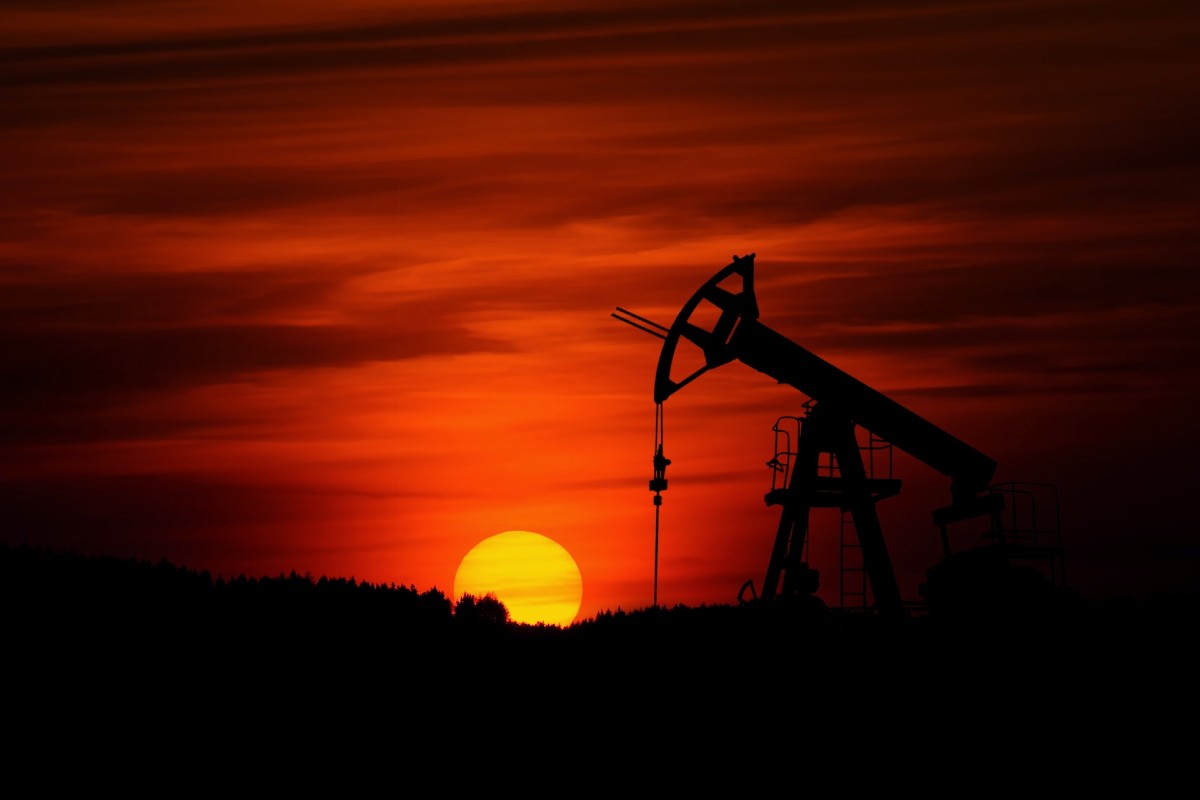
MARCH 10, 2026 — Tensions in the Middle East may soon ripple across global energy markets after a warning from an Iranian military spokesperson suggested that oil prices could surge dramatically if attacks on energy infrastructure continue.
According to Ebrahim Zolfighari, spokesperson of the Islamic Revolutionary Guard Corps, Iran may carry out retaliatory strikes on oil and energy facilities across the Middle East if alleged attacks by the United States and Israel against Iranian fuel infrastructure persist.
Zolfighari urged governments across the region to pressure Washington to halt the attacks, warning that failure to do so could further escalate tensions in an already volatile region.
“We expect the governments of the Islamic countries, as soon as possible, to warn the criminal America and the brutal Zionist entity against these cowardly attacks against humanity so that the flame of war does not expand any further,” he said in a statement.
He added a stark warning regarding the potential economic consequences of continued conflict: “If they can afford the price of oil at $200 per barrel, let them keep playing this game.”
Energy analysts say that threats to oil facilities in the Middle East often have immediate implications for global markets because the region remains one of the world’s most critical sources of crude oil supply. Any disruption to production, refining, or transportation routes could quickly drive prices upward.
A surge to $200 per barrel would represent a dramatic increase compared to current global oil prices and could trigger widespread economic effects. Rising crude prices typically lead to higher costs for gasoline, diesel, and transportation, which in turn affect food production, logistics, and consumer goods worldwide.
Countries that rely heavily on imported fuel—such as the Philippines—could feel the impact through increased fuel prices, higher transportation costs, and potential inflation in basic commodities.
While it remains unclear whether the conflict will escalate to the point of major energy disruptions, the warning highlights how geopolitical tensions in one region can rapidly affect economies across the globe.
As the world watches the situation unfold, a critical question emerges: If oil becomes a weapon in geopolitical conflicts, how vulnerable is the global economy to the politics of energy?
(Larawan mula sa: ADB Blog)