
Death of Iranian adviser in Israeli airstrikes raises new tensions — Is the region moving closer to a wider war?
Robel A. Almoguerra • Ipinost noong 2026-03-17 23:53:56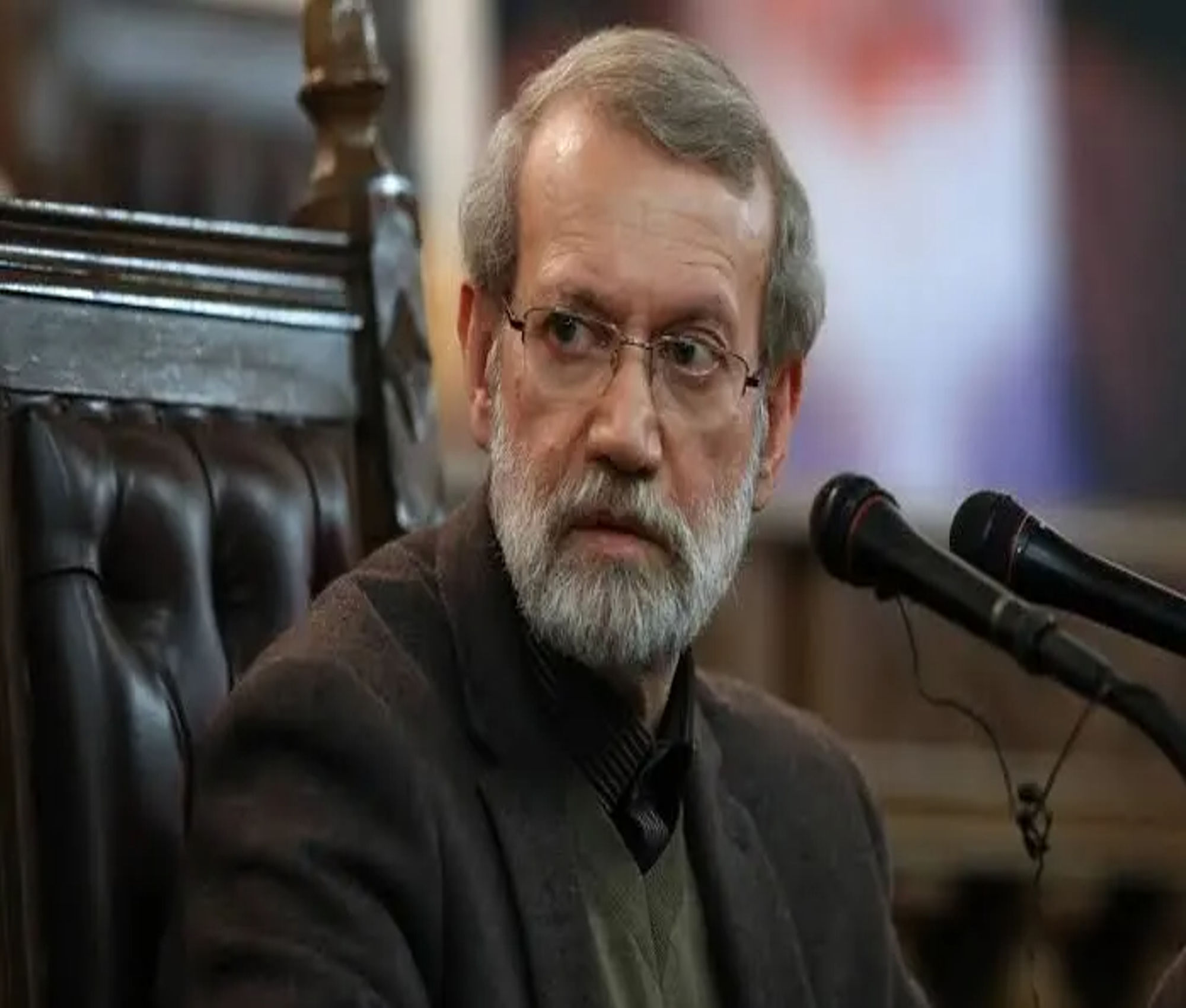
IRAN — Reports from the Israel Defense Forces (IDF) and the Israeli Ministry of Defense claim that Ali Larijani—a senior adviser to Iran’s Supreme Leader—has been killed in a series of Israeli airstrikes. The announcement, described as a preliminary report by Israeli authorities, has immediately drawn international attention due to Larijani’s long-standing role in the leadership of Iran.
Larijani was a prominent figure in Iranian politics for decades. He served as Speaker of the Iranian parliament from 2008 to 2020 and was previously a chief nuclear negotiator for the country. In recent years, he acted as a senior adviser to Supreme Leader Ali Khamenei, contributing to strategic discussions related to national security and foreign policy.
According to the Israeli military, the airstrikes targeted individuals believed to be connected to Iran’s strategic command structure. However, details about the precise location and circumstances of the strike have not yet been fully disclosed. Iranian authorities have not immediately issued a comprehensive confirmation or response regarding the reported death.
If verified, the killing of such a high-ranking adviser could mark a significant escalation in the long-running tensions between Israel and Iran. Over the years, the two nations have engaged in indirect conflict across multiple fronts—ranging from cyber warfare and intelligence operations to proxy conflicts in the Middle East. Targeting a figure as influential as Larijani would signal a move that carries both strategic and symbolic weight.
Beyond the immediate military implications, the development also raises questions about how geopolitical rivalries are evolving. High-profile assassinations and targeted strikes are increasingly becoming tools in modern conflict, blurring the line between conventional warfare and covert operations.
For observers around the world, the incident underscores how fragile the balance of power remains in the region. Every strike, retaliation, or political message has the potential to reshape alliances, escalate tensions, or trigger wider confrontation.
As the situation continues to unfold, analysts and global leaders will be watching closely to see how Iran responds—and whether diplomatic channels can contain the fallout. With influential figures now becoming direct targets, the world is left to consider: Are these strikes strategic deterrence, or are they steps that could push the Middle East closer to a broader regional conflict?
(Larawan mula sa: https://english.aawsat.com/)