
Rampaging elephant kills driver in India — Should elephants still be used?
Robel A. Almoguerra • Ipinost noong 2026-05-03 20:29:13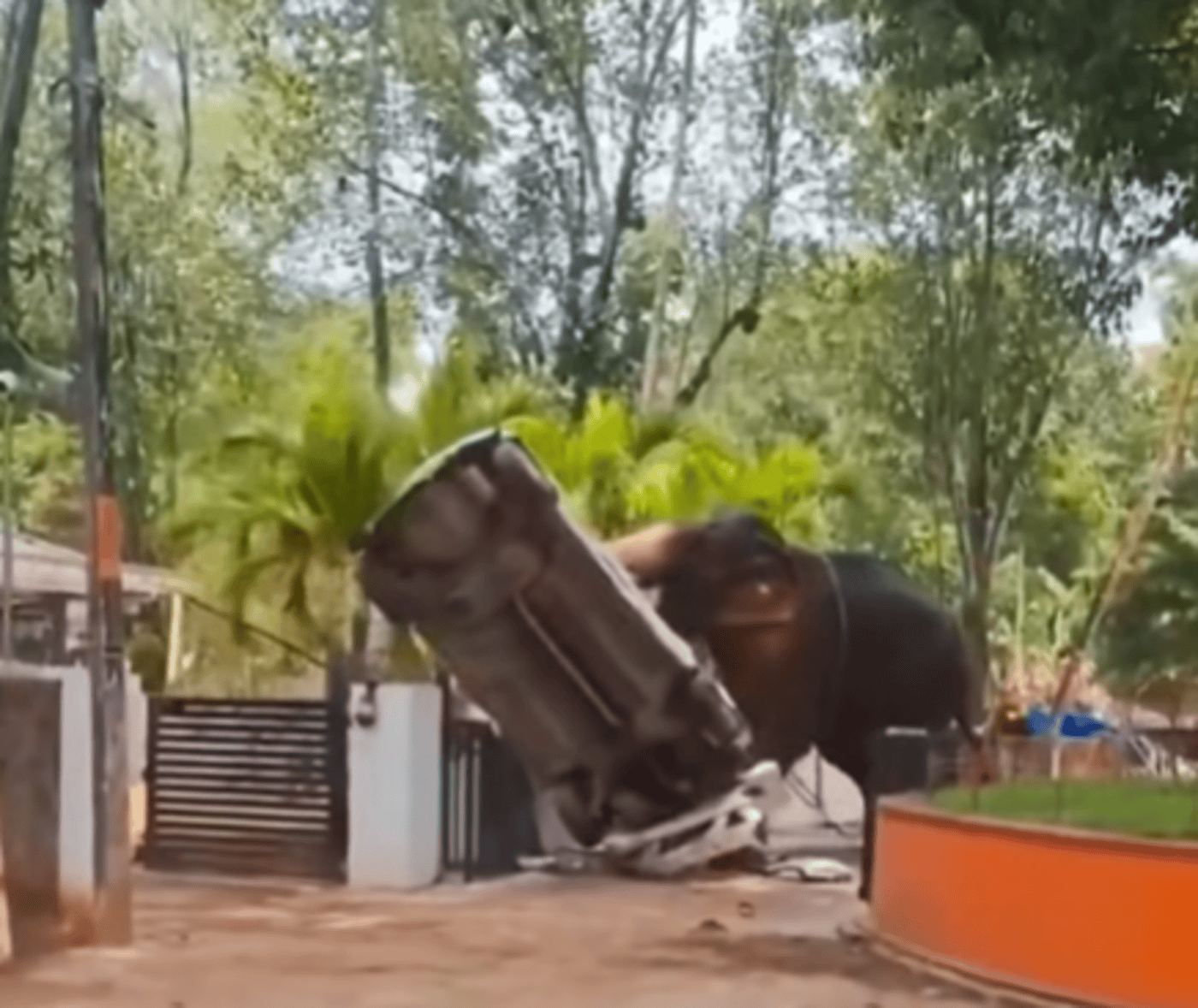
KERALA, India — A tragic incident unfolded near the Kidangoor Mahavishnu Temple after a captive Asian elephant went on a rampage during a local festival on May 1. The chaos resulted in the death of a 40-year-old truck driver, identified as Vishnu, and left the animal’s mahout—its handler and trainer—seriously injured.
Witnesses reported that the elephant suddenly became aggressive, destroying a parked car, damaging several motorcycles, and even tearing through parts of nearby residential walls. The incident caused hours of panic in what was supposed to be a festive and crowded gathering, highlighting the unpredictable danger posed by large animals in public spaces.
Authorities eventually subdued the elephant using tranquilizer darts after a prolonged and tense situation. Investigations are now underway to determine whether proper safety protocols were followed by the handlers and organizers. Early suspicions point to the possibility that the elephant was in “musth,” a natural but highly aggressive phase in male elephants characterized by heightened testosterone levels and unpredictable behavior.
While the use of elephants in festivals is a long-standing cultural tradition in parts of India, this incident reignites a critical debate. The line between cultural preservation and public safety becomes increasingly blurred when lives are put at risk. Moreover, the welfare of the animals themselves comes into question, as captivity, stress, and unnatural environments can contribute to erratic behavior.
This tragedy is not an isolated case. Similar incidents in the past have raised concerns about whether current systems are sufficient to ensure both human safety and animal well-being. Are existing regulations being strictly enforced, or are they sometimes overlooked in favor of maintaining tradition?
As communities reflect on what happened, the issue extends beyond one event—it challenges how societies balance heritage, safety, and ethical responsibility.
In preserving cultural traditions, how far should we go before safety and compassion demand change?
(Larawan mula: Screenshot from @sanatan_kannada / X)