
Iran limits passage in Strait of Hormuz to 15 ships daily — Can the world adapt to disrupted oil routes?
Robel A. Almoguerra • Ipinost noong 2026-04-09 22:25:16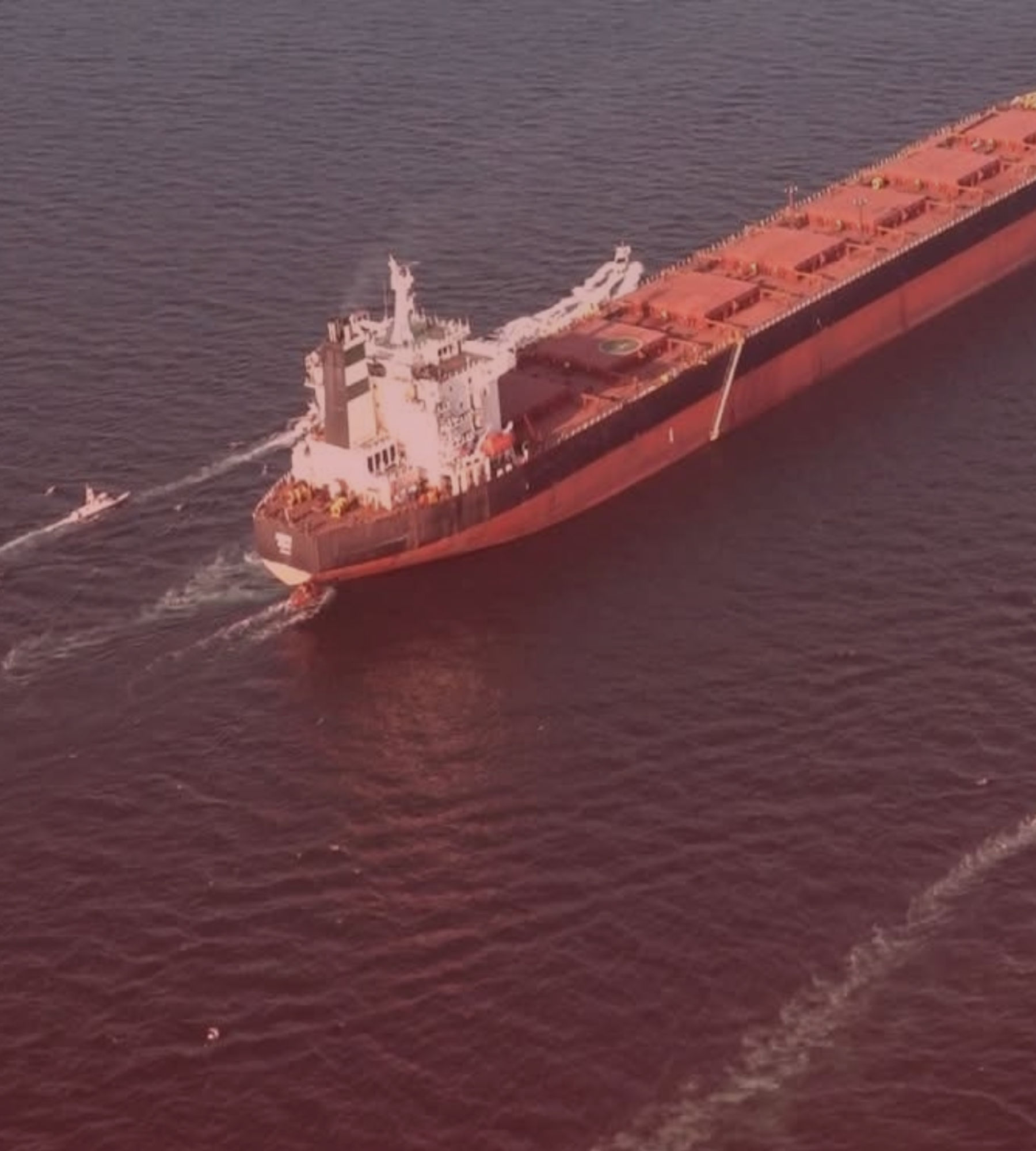
IRAN — Iran has reportedly imposed a limit of no more than 15 ships per day passing through the Strait of Hormuz as part of its ceasefire arrangement with the United States, according to a report citing an unnamed Iranian official.
The Strait of Hormuz, a narrow waterway between Iran and Oman, is one of the most critical maritime routes in the world. Roughly one-fifth of the global oil supply passes through this corridor, along with other essential goods such as fertilizers. Any disruption or limitation in this passage has immediate and far-reaching consequences for international trade and energy markets.
By restricting the number of vessels allowed to pass daily, Iran effectively tightens control over a vital global artery. While the measure may be framed as part of a ceasefire agreement, it introduces a new layer of uncertainty in an already fragile geopolitical environment. Reduced shipping capacity could lead to delays, increased transport costs, and further volatility in global oil prices—effects that are likely to ripple across economies worldwide.
For oil-importing countries, particularly those heavily dependent on Middle Eastern supply, such restrictions could translate into higher fuel prices, supply shortages, and increased inflationary pressure. Even beyond oil, disruptions in the flow of fertilizers and other commodities could impact food production and broader economic stability.
This development underscores how geopolitical decisions in strategic locations can influence everyday life across the globe. It also highlights the vulnerability of global systems that rely on a few critical transit points.
As the situation unfolds, one question emerges: Can the global economy withstand prolonged restrictions in key trade routes, or is it time to rethink dependence on critical chokepoints like the Strait of Hormuz?
(Larawan mula: QTV Gambia / Facebook)