
China denies reports of arming Iran amid fragile ceasefire — Is a bigger conflict brewing behind the scenes?
Robel A. Almoguerra • Ipinost noong 2026-04-12 22:06:25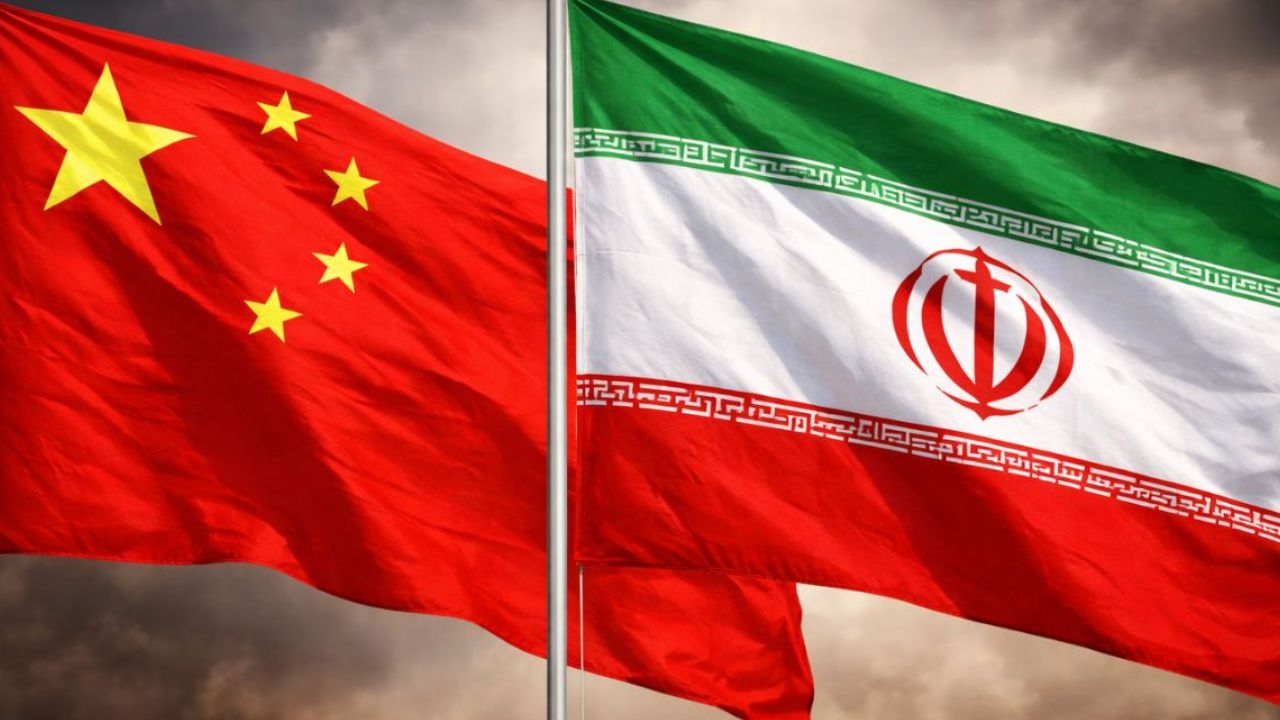
CHINA — Amid growing geopolitical tensions in the Middle East, China has firmly denied allegations that it is preparing to supply weapons to Iran, following intelligence claims from the United States. According to reports, U.S. intelligence agencies have detected possible movements suggesting that China may send air defense systems—including shoulder-fired anti-air missiles (MANPADS)—to Iran in the coming weeks. These alleged transfers were said to be routed through third-party countries to obscure their origin.
The timing of these claims is particularly sensitive, as they emerge during a fragile ceasefire in a region already strained by conflict and uncertainty. If proven true, such actions could escalate tensions further and potentially destabilize ongoing diplomatic efforts.
However, Chinese officials have categorically rejected the accusations, emphasizing that they do not provide weapons to any party involved in the conflict. This denial reflects China’s consistent diplomatic stance of non-interference, though critics argue that geopolitical interests may still shape behind-the-scenes decisions.
This development underscores a broader issue: the increasing mistrust among global powers and the role of intelligence reports in shaping international narratives. In today’s interconnected world, information—verified or not—can quickly influence diplomatic relations, military readiness, and public perception. The situation also raises concerns about proxy involvement, where major powers may indirectly support conflicts without overt engagement.
From a wider perspective, this incident reveals how global politics often operate in shades of gray rather than clear truths. While one side presents intelligence findings, the other denies involvement, leaving the international community caught between competing narratives. In such cases, the truth may not be immediately visible, yet the consequences of suspicion alone can be far-reaching.
As tensions continue to simmer, one must ask: are we witnessing genuine restraint from global powers, or merely a strategic game played behind diplomatic statements?
(Larawan mula: Live India)