
Rizal’s El Fili shatters records: first edition sells for ₱21M, the most expensive book in Philippine history
Marijo Farah A. Benitez • Ipinost noong 2026-02-17 11:59:20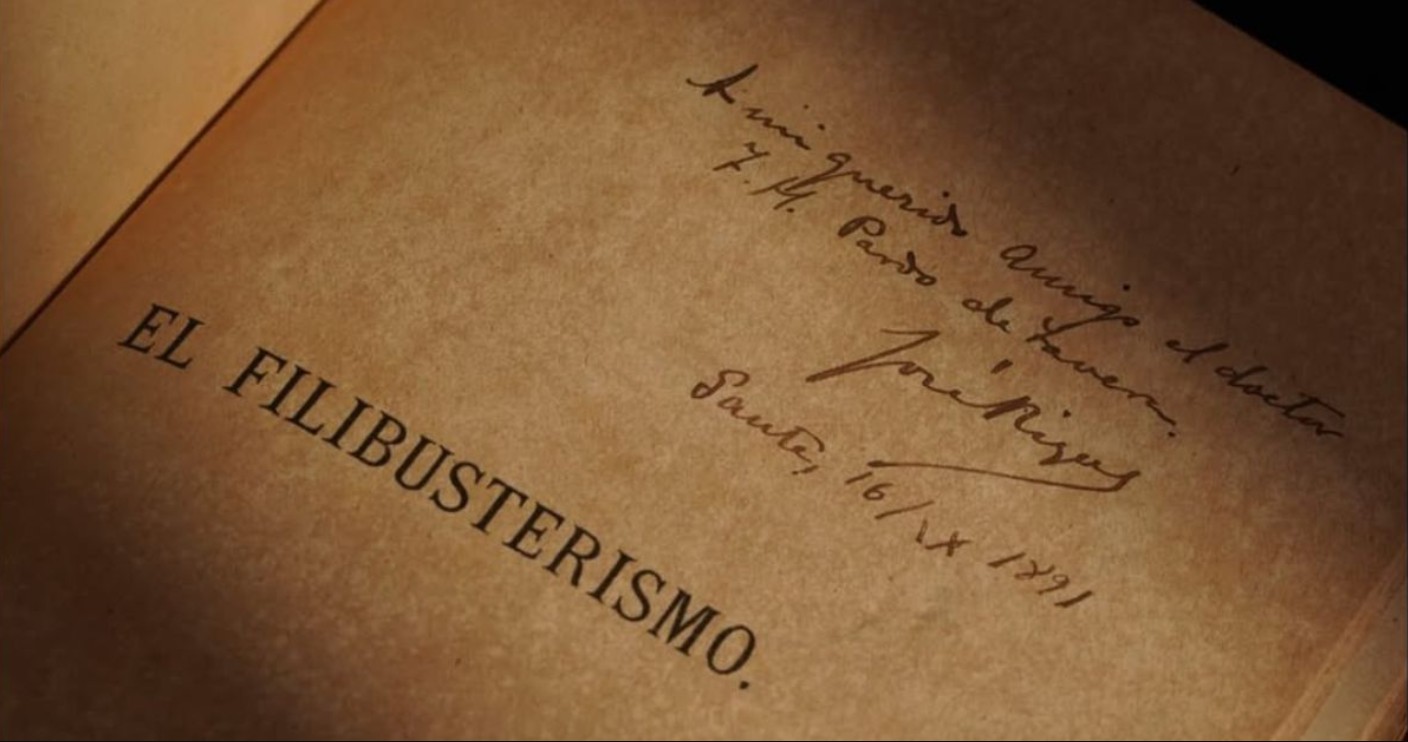
FEBRUARY 17, 2026 — History just made headlines in Manila. A first edition copy of Jose Rizal’s El Filibusterismo was sold for a jaw-dropping ₱21 million at the Asian Cultural Council Auction 2026, setting the record as the most expensive book ever sold in the Philippines.
The sale took place at Leon Gallery on February 14, and yes — this wasn’t just any copy. It bore Rizal’s own handwritten dedication:
“A mi querido amigo el doctor T. H. Pardo de Tavera, Jose Rizal, Gante, 16/ IX 1891.”
(To my dear friend, the doctor T. H. Pardo de Tavera, Jose Rizal, Ghent, 16 September 1891)
That alone makes it priceless. But let’s dig deeper.
According to historian Ambeth Ocampo, the book fetched ₱21 million “plus premium and VAT,” cementing its place in our cultural history. Leon Gallery Director Jaime De Leon explained why this edition is so rare: Rizal had to scrape by financially while publishing it in Ghent, living on tea and biscuits, and paying printers in installments. Fewer than a thousand copies were printed, and many were confiscated or burned by friars and the Spanish regime. That scarcity, combined with Rizal’s signature and the provenance from Trinidad Pardo de Tavera’s library, makes this copy almost mythical.
Now, here’s where it gets interesting for us today. The sale isn’t just about collectors flexing their wallets — it’s about how we, as Filipinos, value our heritage. Rizal wrote El Fili as a continuation of Noli Me Tangere, sharpening his critique of colonial abuses and corruption. To see his work now commanding millions of pesos shows that our national treasures can stand shoulder to shoulder with the world’s most prized artifacts.
Now imagine if schools, libraries, and communities invested the same energy into preserving and celebrating these texts — not just as relics, but as living ideas that still challenge us today.
This sale is proof that our history is not just dusty pages — it’s a living, breathing reminder of who we are. Rizal’s words, once banned and burned, now fetch millions. That’s poetic justice.
So here’s the thought I’ll leave you with: If one book can spark this much pride and conversation, what else in our history are we overlooking that deserves the same spotlight?
(Image: @leongallerymakati | Instagram)