
After POGO ban, BGC rescue points to lingering violence, labor exploitation
Margret Dianne Fermin • Ipinost noong 2025-12-30 09:07:35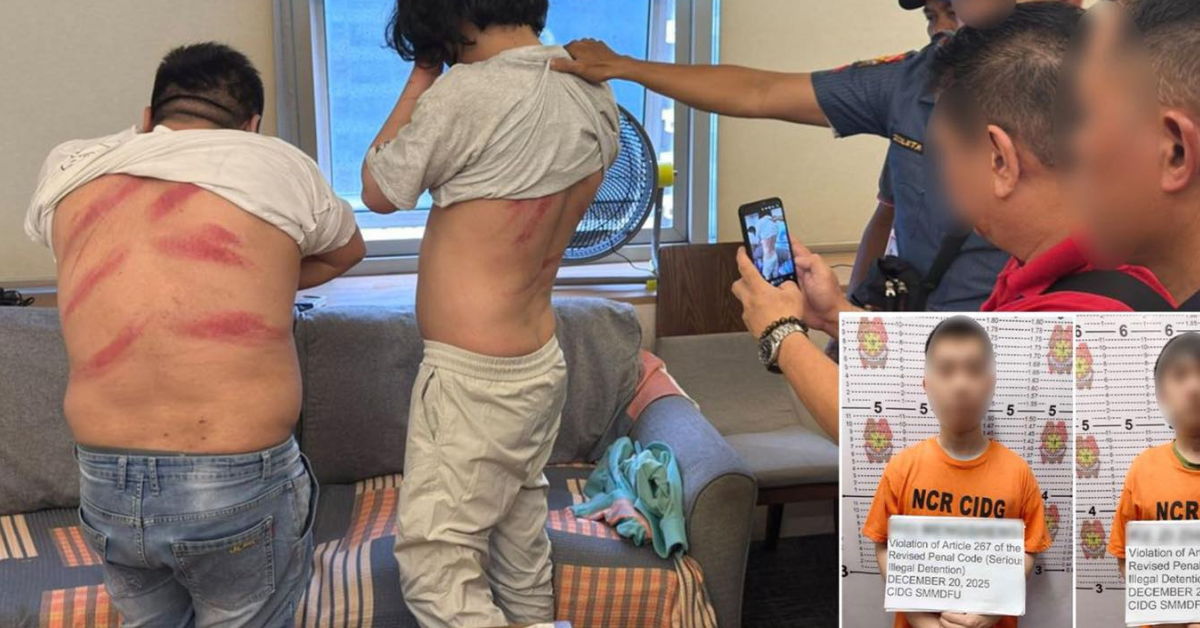
MANILA — Two Chinese nationals were rescued while two foreigners were arrested for serious illegal detention during a police operation in Bonifacio Global City (BGC), Taguig, the Philippine National Police (PNP) confirmed.
According to the PNP, operatives from the Criminal Investigation and Detection Group (CIDG) Southern Metro Manila District Field Unit conducted the rescue on December 20 at around 3:50 p.m. after receiving a request for assistance from another Chinese national, a friend of the victims.
Authorities identified the suspects as a 32-year-old Chinese man and a 30-year-old Taiwanese man, both officers and employees of a construction firm. Police said the victims were allegedly detained and physically harmed after expressing their intention to resign from the company.
During the operation, police discovered a locked room inside a commercial building in BGC where the two victims were being held. Investigators reported that the victims sustained abrasions and bruises, indicating physical abuse. They were immediately provided medical assistance following their rescue.
CIDG Director Police Major General Robert Morico II said the arrests highlight the agency’s commitment to cracking down on illegal detention cases involving foreign nationals. “We will continue to pursue operations against individuals who exploit or harm others, regardless of nationality,” he stated.
The suspects are now facing charges of serious illegal detention under the Revised Penal Code. Authorities are also coordinating with the victims’ families and the Chinese Embassy for further assistance.
The incident has raised concerns about labor exploitation and abuse involving foreign workers in the country. Police urged the public to report similar cases, stressing that illegal detention is a grave offense punishable by law.
Violence Did Not Leave When POGOs Did
The rescue in BGC proves a hard truth. The violence involving Chinese nationals did not disappear with the POGO ban.
For years, authorities framed criminal activity linked to foreign nationals as a problem tied mainly to offshore gaming. Yet even after POGO closures, cases of detention, assault, and exploitation continue to surface. That means the issue was never just about one industry. It was about weak oversight, unchecked power, and networks that adapted instead of vanished.
This is not about nationality alone. Most Chinese workers and residents are law-abiding. But repeated cases involving violence demand attention because they reveal patterns that remain unaddressed. Criminal behavior moved locations, changed fronts, and blended into legitimate-looking businesses.
The Philippines cannot afford selective enforcement. Banning POGOs was a start, not a solution. Law enforcement must now focus on deeper intelligence work, stricter monitoring of foreign-run enterprises, and stronger protection for victims who fear retaliation or deportation.
Ignoring these cases risks normalizing abuse and undermines public trust. Safety should not depend on the industry a crime hides behind.
If violence continues after the ban, then the real work begins now. Ending one operation does not dismantle a system. Only consistent enforcement and accountability can.
Image from CIDG