
Raffy Tulfo grills Customs over missing seized meat
Margret Dianne Fermin • Ipinost noong 2025-12-30 09:07:36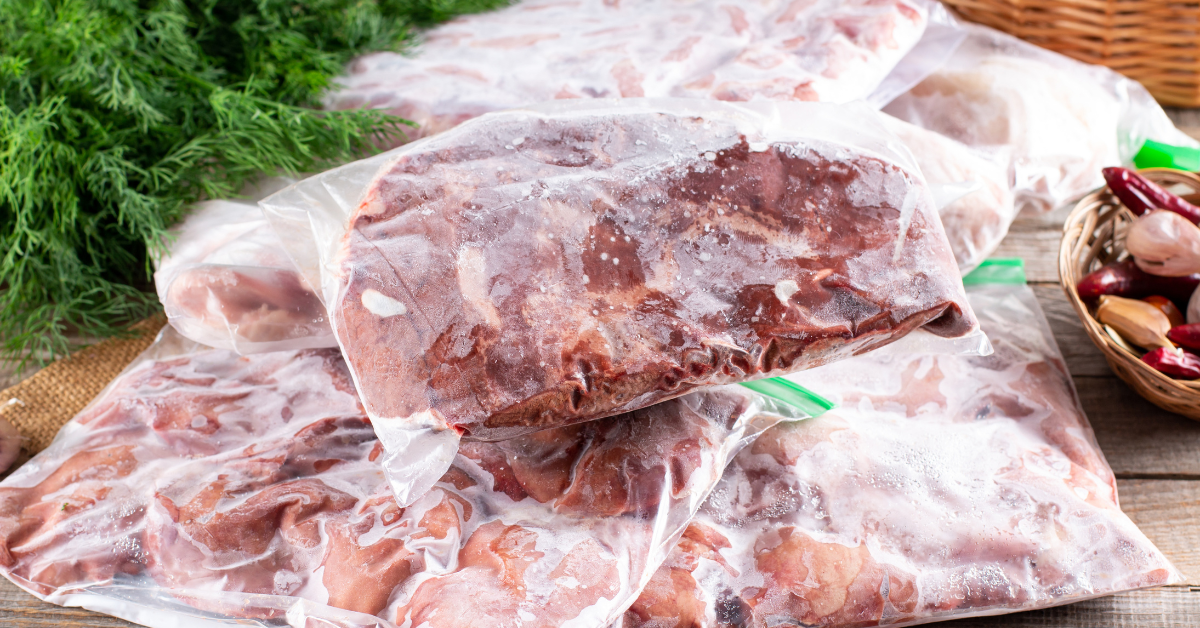
MANILA — Senator Raffy Tulfo grilled officials of the Bureau of Customs (BOC) during a Senate hearing over the handling of seized frozen meat products, questioning their whereabouts and the process of condemnation.
Tulfo asked Customs officials, “Nasaan na yung mga na-stage nyo? Ano nung ginawa nyo doon sa mga karning yan?” One official admitted, “Actually, sir, hindi ko po alam kung nasaan po talaga yan, sir.” He explained that after 15 days, a warrant of seizure was recommended, followed by a hearing. Since no representatives appeared, a forfeiture and condemnation order was issued.
Tulfo pressed further, asking for video documentation of the condemnation. Customs responded that only pictures were available. The senator also noted the absence of the Department of Agriculture (DA) during the process, despite being part of the raiding team. “As a courtesy to them, they should have been invited so they could witness the fruits of their labor,” Tulfo said.
Concerns were raised about the delay, as the raid happened in June 2025 but condemnation only took place in December 2025. Tulfo warned that without proper inventory, the goods might have been reduced or sold. The National Meat Inspection Service (NMIS) reportedly attempted to conduct an inventory but was asked to leave by Customs, citing lack of authority in the Letter of Authority.
Tulfo questioned the protocol: “Is it proper for Customs to drive away NMIS when they were the ones who inspected during the raid?” Customs insisted that the Philippine Coast Guard and representatives of the DAIE guarded the facility 24/7 to ensure nothing was taken out.
The Coast Guard testified that the condemned meat was not incinerated but ground and later disposed of in a designated area. They said byproducts could be used as animal feed if permitted by the DA. However, DA representatives clarified they had no knowledge of such transfers and stressed that permits are required for feed use.
Tulfo cited the Clean Air Act, which prohibits burial and incineration of such products, saying cremation should have been the proper process. He urged agencies to establish a memorandum of agreement to prevent similar lapses. “If you need budget for a crematorium, just say it. We will allocate funds so that condemned meat products will go through the proper process,” Tulfo concluded.
Seized Goods Should Not Disappear Into Bureaucratic Fog
When the government seizes illegal goods, the public expects one thing above all. Transparency.
The confusion surrounding the disposal of seized frozen meat exposes a familiar problem. Once items are confiscated, they often vanish into layers of procedure that no one seems fully responsible for. When officials cannot clearly say where seized goods went, how they were destroyed, or who witnessed the process, trust collapses.
Disposal is not a minor administrative step. It is the final safeguard against corruption, resale, and public harm. Without clear records, proper documentation, and inter-agency oversight, seized items become vulnerable to abuse. Even the appearance of uncertainty invites suspicion.
Transparency should be built into every step. From inventory to storage to destruction, processes must be open, recorded, and verifiable. Video documentation, joint supervision, and clear chains of custody are not optional. They are basic requirements of good governance.
When seized goods disappear into procedural gaps, citizens are left wondering who benefits and who is being protected. The issue is not only about meat. It is about whether government can be trusted to handle public interest assets responsibly.