
Letting kids use firecrackers may be child abuse, DOH chief warns
Margret Dianne Fermin • Ipinost noong 2025-12-30 17:37:58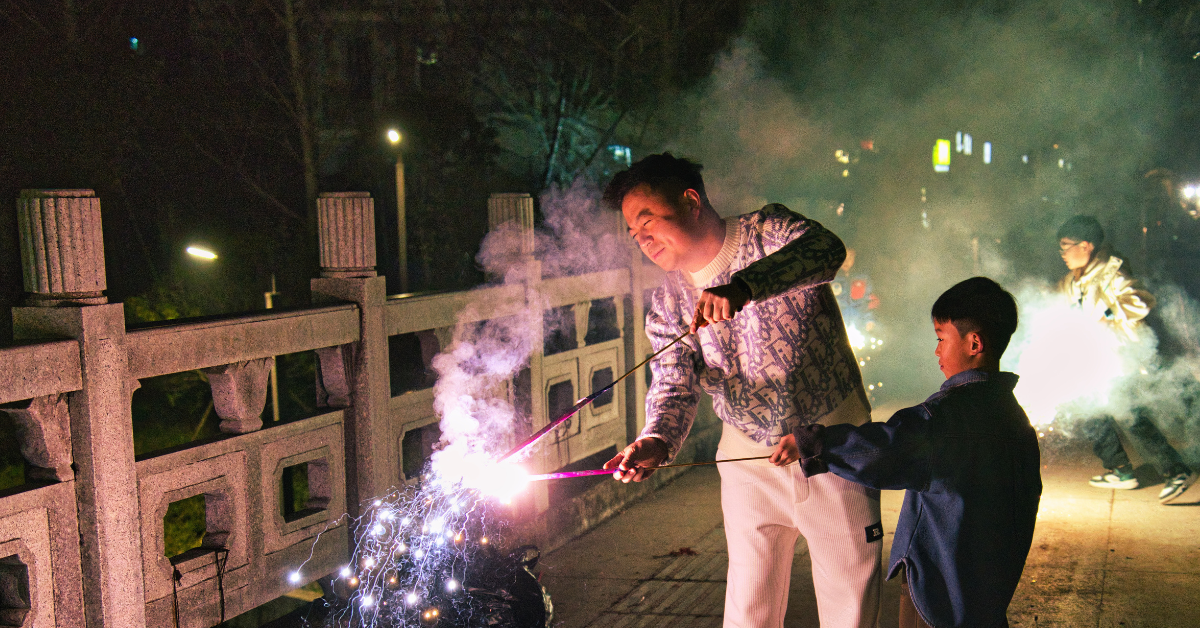
MANILA — Health Secretary Ted Herbosa has likened the practice of letting children buy and use firecrackers to child abuse, as the Department of Health (DOH) recorded a surge in firework-related injuries among minors during the holiday season.
Speaking at a press conference at the Amang Rodriguez Memorial Medical Center (ARMMC) in Marikina City, Herbosa said parents must be held accountable if they provide money for firecrackers that later injure their children. “Hindi ba parang child abuse ’yan pagka hinahayaan mo ’yung bata, lalo na kung nanay o tatay ’yung nagbigay ng pera, para bilhin ’yung paputok? ’Yung paputok, ’yung binigay mong pera, tapos binigay mo sa bata, tapos na-injure ’yung bata… Baka dapat mag-focus sa child abuse,” he said.
The DOH reported 140 firework-related injuries nationwide from December 21 to 30, with 68 percent of victims aged 19 and below. Among these, 78 cases involved children aged five to 14, underscoring Herbosa’s call for stricter legislation to protect minors.
Herbosa emphasized that children are the most vulnerable during New Year revelry, often suffering burns, amputations, and other serious injuries. He urged lawmakers to consider measures that would ban the sale and use of firecrackers by minors, framing it as a child protection issue.
The DOH also released a list of Metro Manila local government units (LGUs) with ordinances regulating or banning firecrackers, including Marikina, Quezon City, and Valenzuela. Herbosa said these ordinances should be strictly enforced and expanded nationwide. “It is very important to be respectful also of people with respiratory illness… All I can say as the health department, talagang may effects ang fireworks sa bata,” he added.
The agency reminded the public that victims of firecracker accidents must be brought immediately to hospitals for treatment. Officials also noted that while injuries this year are 23 percent lower than in 2024, the majority still involve children, highlighting the urgent need for stronger safeguards.
Herbosa’s remarks have sparked debate on whether firecracker-related injuries should be treated not only as public health concerns but also as potential cases of child abuse when minors are deliberately exposed to danger.
If the Harm Is Predictable, Responsibility Is Clear
Calling firecracker injuries “child abuse” may sound harsh, but it forces an uncomfortable conversation that Filipinos have avoided for too long.
Every New Year, the same pattern appears. Children light fireworks. Children get hurt. Adults express shock. Then the cycle resets. When danger is well known, repeated, and documented year after year, allowing it is no longer accidental. It becomes neglect.
Children do not buy firecrackers on their own. Someone gives the money. Someone looks away. Someone chooses tradition or momentary fun over safety. That choice has consequences, and pretending otherwise weakens child protection.
This does not mean criminalizing parents overnight. It means reframing responsibility. Firecracker injuries are not just “holiday mishaps.” They are preventable harms caused by adult decisions. That distinction matters.
Local bans work when enforced. Injury numbers drop where rules are clear and consistent. The evidence is already there. What is missing is the courage to apply it nationwide and to hold adults accountable, not just vendors.
Protecting children sometimes means saying no, even to tradition. Celebration should never come at the cost of a child’s fingers, eyesight, or life. When harm is predictable, prevention is a duty, not an option.