
LTO defends reckless driving tag in Deakin case, is enforcement fair?
Margret Dianne Fermin • Ipinost noong 2026-01-07 13:52:17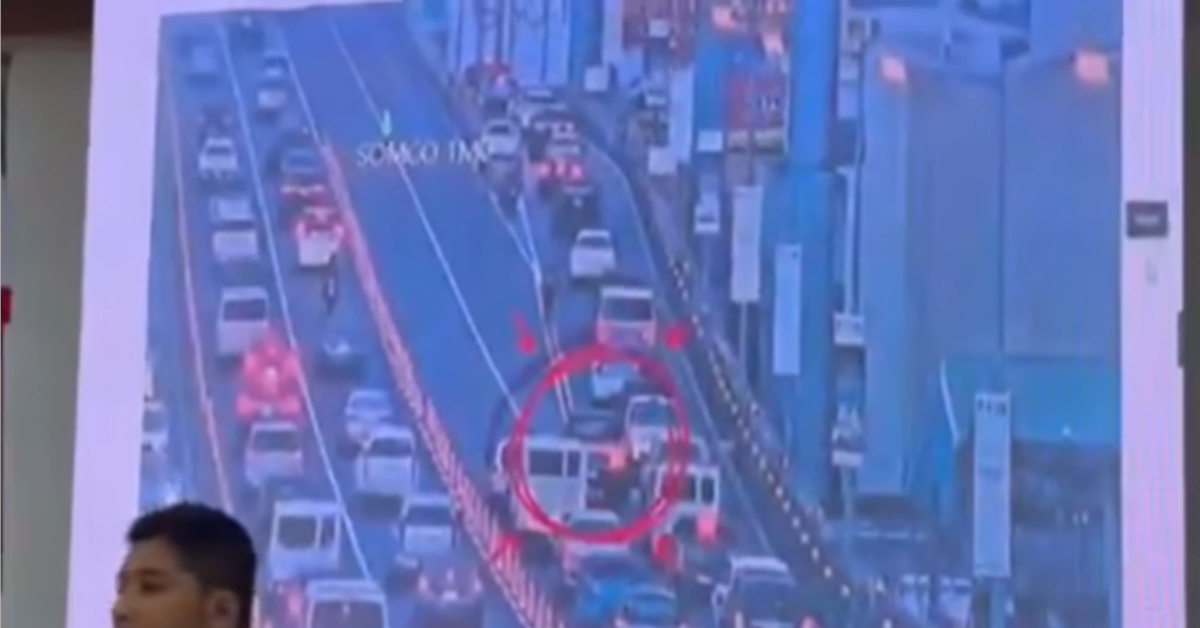
MANILA — The Land Transportation Office (LTO) has defended its decision to classify the traffic violation of the son of motoring vlogger James Deakin as reckless driving, citing not only the act of crossing a double solid yellow line but also the absence of proper vehicle documents.
LTO Chief Assistant Secretary Markus Lacanilao explained during a press briefing that the vehicle driven by Deakin’s son was unregistered and carried no valid papers. “Ang kanyang papel na dala-dala ay hindi nga po sales invoice, hindi rin ORCR. Totally, wala pong papel ‘yung sasakyan kasi ‘yung papel na dala-dala nila is papel from the importer to the dealer,” Lacanilao said. He added, “‘Yan ay hindi pa naibebenta sa labas, sa tao, at hindi ‘yan dapat minamaneho sa kalye kasi walang kaukulang papeles.”
The incident occurred on December 18 along Skyway Stage 3, where Deakin’s son reportedly crossed a double solid lane, causing traffic disruption. Lacanilao stressed that the violation was compounded by the fact that the vehicle was not legally registered, which in itself constitutes reckless driving under Philippine traffic laws.
Deakin had earlier criticized the citation, arguing that his son’s act should have been classified as improper lane change or disobeying traffic signs, not reckless driving. He described the LTO system as “bulok” (rotten), pointing to inconsistencies in enforcement and the agency’s history of failing to deliver plates and registration documents on time.
The LTO, however, maintained its position. Officials said Deakin’s son was given five days to contest the violation but failed to file an appeal. A subpoena was issued on January 7 requiring him to explain why the act should not be considered reckless driving. In addition, the agency issued a show-cause order against the vehicle dealer for releasing the car without proper documentation.
A Case That Exposes Systemic Contradictions
The controversy highlights a deeper contradiction in Philippine traffic governance: motorists are penalized for lacking documents that the state itself often fails to provide. For years, drivers have complained about waiting months or even years for license plates, stickers, and registration papers, only to be apprehended for not carrying them. Deakin himself underscored this irony, noting that countless motorists are fined for missing plates that the LTO has yet to distribute.
By labeling the violation as reckless driving, the LTO may be legally correct, but the aggressive classification raises questions about proportionality and fairness. If a minor infraction can escalate into a criminal offense, what safeguards exist against arbitrary enforcement? And if dealers can release vehicles without proper papers, why is the burden placed solely on the driver?
The subpoena and show-cause order suggest the LTO is attempting to assert authority not only over motorists but also over dealers. Yet the public perception remains that enforcement is selective, and accountability is uneven. For ordinary citizens, the message is clear: compliance is mandatory, but institutional responsibility is optional.
Until agencies like the LTO confront these contradictions, controversies like the Deakin case will continue to erode public trust. The issue is not just about one driver crossing a double yellow line — it is about a system where bureaucracy punishes mistakes while excusing its own failures.
Image from LTO Press Briefing