
P55,000 for a baby? PH faces chilling surge in infant trafficking
Marijo Farah A. Benitez • Ipinost noong 2026-01-08 19:35:27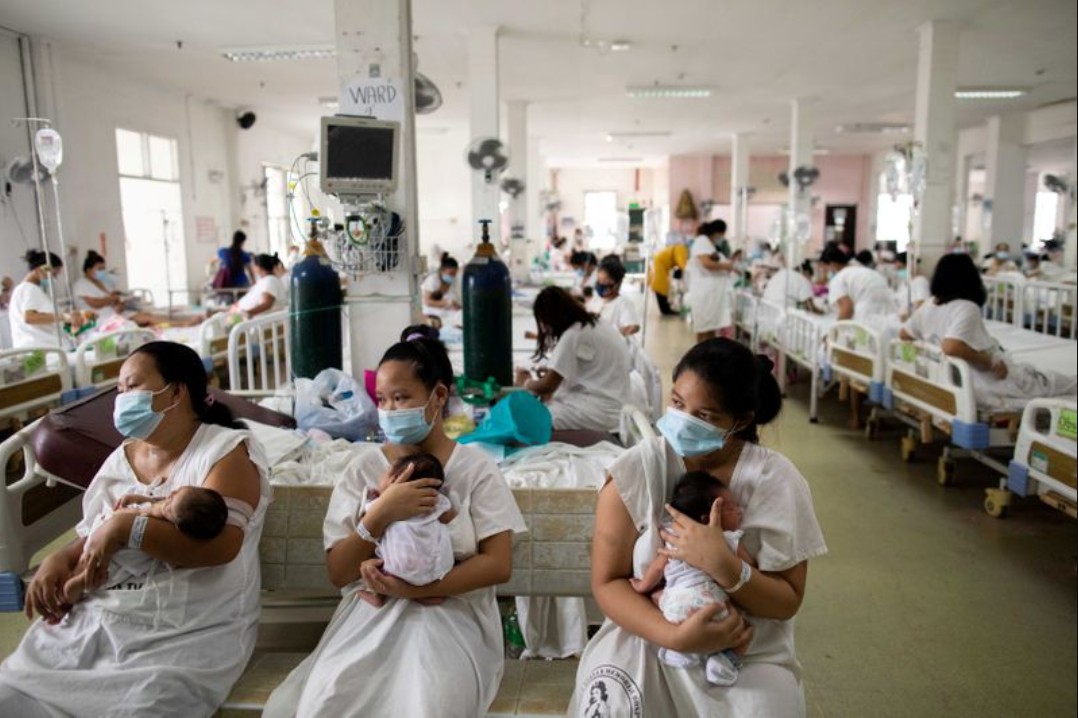
JANUARY 8, 2026 — Who would have thought that the same platforms we use to buy groceries, gadgets, and even second-hand furniture could also be used to sell babies? Yes, babies.
Authorities in Quezon City recently rescued a month-old infant whose 17-year-old mother allegedly attempted to sell him online for ₱55,000. The Philippine National Police–Women and Children Protection Center (PNP-WCPC) said the arrest was made through an entrapment operation after spotting the online post.
Police BGen. Maria Sheila Portento revealed chilling details: “Upon the validation ng team, nalaman na kahit nung buntis pa siya, pinaghahandaan niya ang ibenta ‘yung anak.”
(Upon validation, the team learned that even while she was pregnant, she was already preparing to sell the child.)
The mother, herself a minor, claimed she needed the money to pay for her tuition. Rejected by her family and abandoned with the baby’s 18-year-old father, she saw selling her child as her only option.
Investigators later discovered that this wasn’t the first attempt — the baby had already been offered to a potential adopter in Japan who had been sending money.
Click, pay, deliver?
We live in an era where practically anything can be delivered to your doorstep at the click of a button. Food, clothes, medicine, even pets. But never in our wildest dreams did we imagine that Filipino parents would resort to selling their own children online.
What does this say about our values, our morality, and the kind of society we are becoming?
Portento acknowledged that the problem has rapidly escalated, fueled by the easy access and reach of online platforms where almost anything can now be sold. She noted that the situation has become increasingly alarming, with eight individuals arrested in 2025 for attempting to sell their babies — an increase from five cases recorded the previous year.
Let’s pause here. Eight cases in one year, thirteen infants rescued in the past two years. These are not isolated incidents. This is starting to become a pattern, and it forces us to ask: How did we get here?
Yes, poverty is real. Yes, young mothers are often left unsupported. But does desperation justify turning a child into a commodity?
The law is clear: human trafficking and child exploitation are crimes.
Portento stressed, “Hindi porket minor na nakagawa ng kasalanan, abswelto na sa batas.”
(Just because a minor committed the crime doesn’t mean they are automatically absolved.)
The Commission on Human Rights has already urged the government to strengthen monitoring of online platforms and ensure swift prosecution of perpetrators. But beyond law enforcement, this is a wake-up call for Filipino families.
Where is the guidance for our youth? Where is the support for young parents who feel abandoned and helpless?
We Filipinos pride ourselves on being family-oriented, on valuing children as blessings. Yet here we are, confronted with stories of babies being sold like second-hand goods. It’s not just alarming — it’s heartbreaking.
Building lifelines for mothers
So if poverty and rejection push mothers to the edge, what safer, more humane alternatives can we give them?
Alternatives exist for mothers in desperate situations — from legal adoption pathways to community and government support programs — that can provide safety for the child and dignity for the mother.
Here are practical, humane options that mothers in the Philippines can turn to instead of resorting to illegal online selling:
- Legal and Safe Child Placement
- National Authority for Child Care (NACC): Mothers unable to raise their child can surrender the baby for legal adoption through NACC. This ensures the child is placed in a safe, loving home without financial transactions involved.
- Temporary foster care: Government-accredited foster families can provide immediate care while the mother decides on long-term options.
- Financial and Educational Support
- Scholarship and educational aid programs: The Commission on Population Development and local government units often provide assistance to young mothers who want to continue schooling.
- Pantawid Pamilyang Pilipino Program (4Ps): Eligible families can receive conditional cash transfers to help with food, health, and education expenses.
- Livelihood training and microfinance: NGOs and government agencies offer skills training and small loans to help young mothers earn income legally.
- Health and Counseling Services
- Reproductive health clinics: Accessible through barangay health centers, these provide prenatal and postnatal care, contraception, and counseling.
- Psychosocial support: Social workers and NGOs offer counseling for young mothers dealing with rejection, trauma, or poverty.
- Community and Family Support
- Barangay-based programs: Many barangays have women and children desks that connect mothers to social services.
- Faith-based organizations: Churches and religious groups often provide shelter, food, and emotional support for young mothers.
- Peer support groups: Networks of mothers who share experiences and resources can help reduce isolation and desperation.
Because a society that abandons its mothers will always fail its children.
(Image: Yahoo)