
TNVS car rams into NAIA 2 railing — Are we learning our lessons yet?
Marijo Farah A. Benitez • Ipinost noong 2026-01-07 06:10:41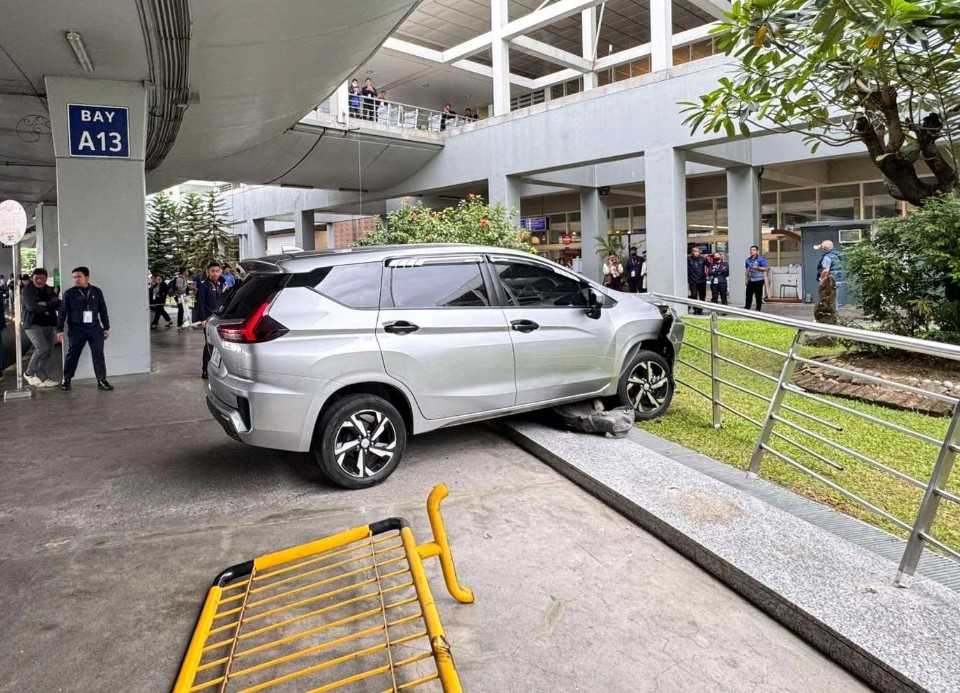
JANUARY 7, 2026 — Another close call at the airport. This time, a TNVS car rammed into a railing at NAIA Terminal 2’s arrivals level. According to Manila International Airport Authority (MIAA) General Manager Eric Ines, the vehicle was carrying two foreigners near Bay A13 when a security personnel asked the driver to move since he wasn’t in a loading zone. Instead of calmly maneuvering, the 45-year-old driver suddenly accelerated, hitting the railing and some luggage.
Thankfully, no passengers were injured. But should we really just shrug this off as “buti na lang walang nasaktan”?
Let’s not forget what happened in May: an SUV plowed into the departure entrance of NAIA Terminal 1, killing a 29-year-old man and four-year-old Malia Masongsong. That tragedy shook the nation, and yet here we are again, staring at another accident that could have easily turned fatal. How many warnings do we need before we act decisively?
The answer may lie in something as simple as bollards — those sturdy barriers that prevent vehicles from getting too close to pedestrian-heavy areas. Why aren’t they standard at every critical airport location? If bollards had been in place, the tragic May incident might have ended differently. Isn’t it time we demand stronger safeguards for public spaces where lives are at stake?
And let’s talk about the vehicles themselves. Automatic cars, while convenient, can be unforgiving. One wrong move — an accidental press of the accelerator instead of the brake — and disaster unfolds in seconds.
Shouldn’t stricter training and refresher courses be mandatory for drivers, especially of public service vehicles? After all, they’re not just transporting passengers; they’re navigating spaces where hundreds of lives intersect daily.
These incidents are not isolated. They are reminders of how fragile safety is when vigilance slips. The public deserves action, because next time, we may not be lucky enough to say “no one was hurt.”
Safety is not optional. It is the line between life and death.
What do you think? Are we doing enough to keep our airports safe (or any public space for that matter), or are we just waiting for the next tragedy to happen?
(Image: X)