
Batangas City expands drug-cleared barangays — But how sustainable is the progress?
Robel A. Almoguerra • Ipinost noong 2026-01-07 23:24:04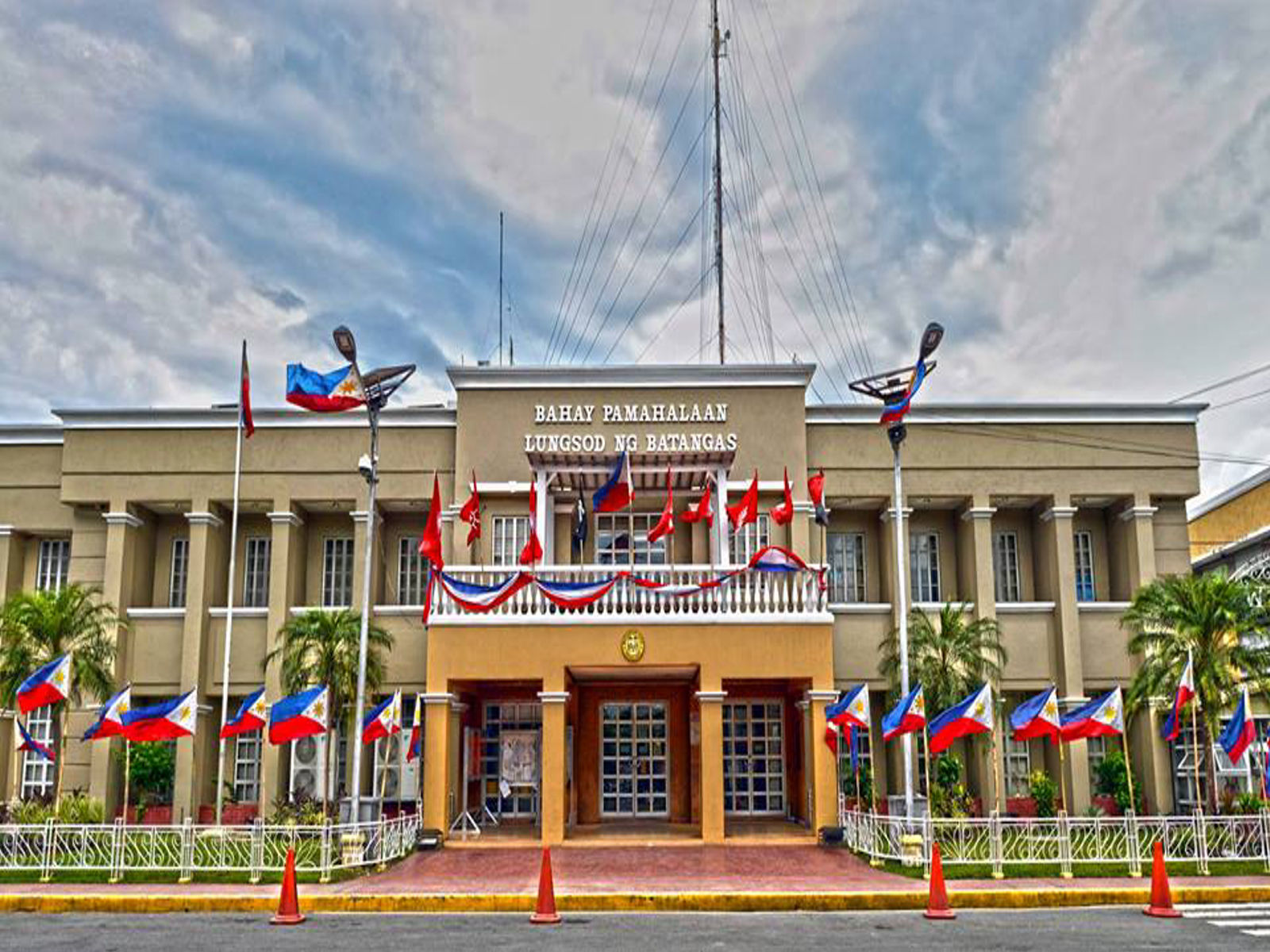
BATANGAS CITY, Philippines — Batangas City has taken another step in its campaign against illegal drugs after three more barangays were officially declared drug-cleared. The announcement was made by PLT. Sharen Ama of the Batangas Component City Police Station during a flag ceremony on Monday. The barangays recognized were Talumpok Kanluran, Pinamucan Silangan, and San Agustin Kanluran in Isla Verde, bringing the city’s total to 52 drug-cleared barangays. In addition, seven barangays are now classified as drug-free.
According to authorities, these communities underwent the Community-Based Drug Rehabilitation Program in partnership with the City Health Office. Individuals identified as Persons Who Use Drugs (PWUDs) participated in rehabilitation efforts, marking a shift from purely punitive approaches toward recovery and reintegration. City officials emphasized that the local government and police will continue their intensified anti-drug campaign, with the long-term goal of declaring Batangas City fully drug-cleared.
At face value, the numbers signal progress. Declaring barangays drug-cleared suggests improved peace and order, stronger local governance, and closer coordination between law enforcement and health agencies. However, such milestones also invite deeper reflection. Being “drug-cleared” does not necessarily mean the permanent absence of illegal drugs; rather, it indicates that certain indicators have been met at a given time. Sustaining this status requires constant monitoring, community involvement, and continuous support systems for rehabilitated individuals.
There is also a broader discourse to consider: how success is defined in the war against drugs. While arrests and clearances matter, long-term solutions may lie more in prevention, education, livelihood programs, and accessible mental health services. Rehabilitation is not a finish line but a process, and relapse remains a real risk without sustained support. As Batangas City edges closer to its ambition of becoming a drug-cleared city, the challenge now is ensuring that progress is lasting, humane, and inclusive. The question remains: can a city truly claim victory over illegal drugs if the roots of addiction and vulnerability are not fully addressed? (Larawan: Batangas City)