
Calls to remove military forces from Mindoro — Who is accountable for the alleged Cabacao massacre?
Robel A. Almoguerra • Ipinost noong 2026-01-08 23:42:54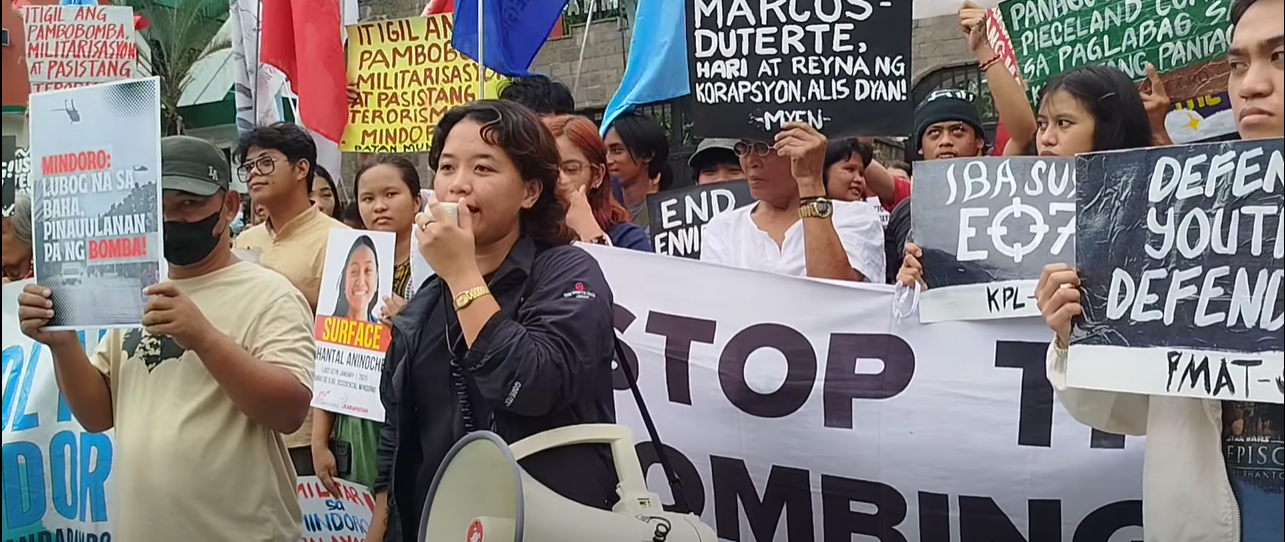
MINDORO, Philippines — A fresh wave of controversy has emerged in Mindoro following allegations of human rights violations linked to a joint military operation in Barangay Cabacao, Abra de Ilog, Occidental Mindoro. A humanitarian and fact-finding mission led by Karapatan Southern Tagalog claims that aerial bombing and indiscriminate firing carried out by units under the Armed Forces of the Philippines (AFP) resulted in civilian deaths, including children from the Mangyan-Iraya indigenous community.
According to Saara Rapisora, spokesperson of the humanitarian team, the mission was launched to assess the condition of indigenous peoples and residents affected by the operations allegedly conducted by the 1st Infantry Battalion, 76th Infantry Battalion, units under the 203rd Infantry Brigade of the 2nd Infantry Division, and the 5th Scout Ranger Battalion. Rapisora asserted that the team also documented alleged harassment and intimidation by individuals linked to the National Task Force to End Local Communist Armed Conflict (NTF-ELCAC) during their stay.
The incident, now being referred to by advocacy groups as the “Cabacao Massacre,” reportedly left three Mangyan-Iraya children and a young researcher dead, while a mother was injured and another researcher remains missing. Karapatan is demanding accountability for the killing of Jerlyn Doydora and the trauma inflicted on indigenous communities, describing the military actions as excessive and indiscriminate.
The Armed Forces have yet to issue a detailed public response to these allegations, but the situation underscores a recurring national dilemma: how does the state balance counterinsurgency operations with the protection of civilian lives and human rights, especially in remote indigenous areas? While security forces argue that military presence is necessary to maintain peace and suppress armed rebellion, critics warn that aggressive tactics risk alienating communities and violating international humanitarian standards.
Beyond legal accountability, the issue raises moral and political questions about transparency, oversight, and trust between the government and marginalized populations. As calls grow louder to pull military units out of Mindoro, the broader discourse becomes unavoidable.
In pursuing peace and security, who must ultimately answer when civilians—especially children—are caught in the crossfire of state operations? (Larawan: Southern Tagalog Exposure / Facebook)