
Cebu City dumpsite collapse kills 1, 30 missing — Could this tragedy have been prevented?
Robel A. Almoguerra • Ipinost noong 2026-01-08 23:49:34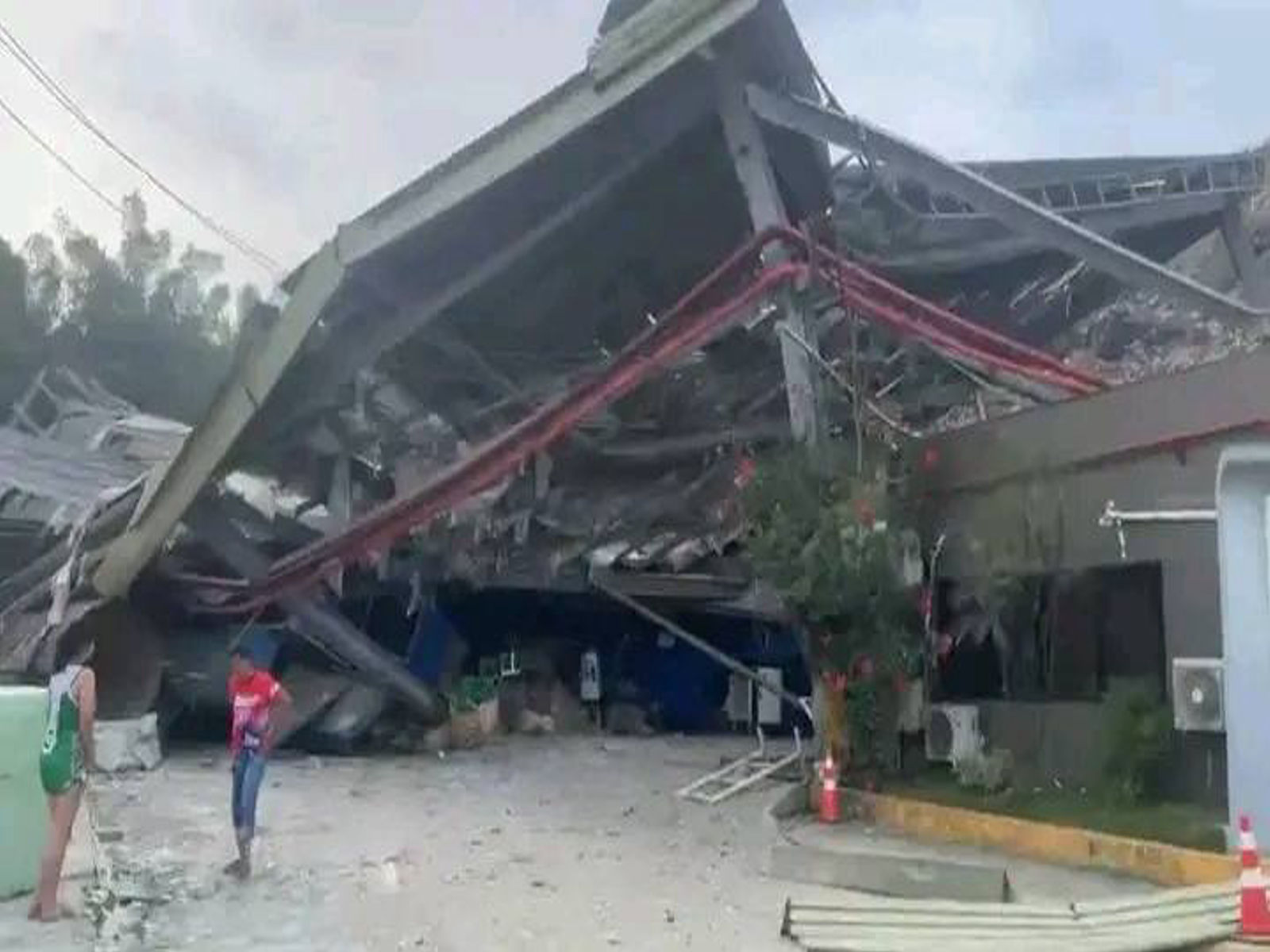
CEBU CITY, Philippines — A deadly landslide struck a dumpsite in Barangay Binaliw, Cebu City on Thursday afternoon, January 8, 2026, leaving at least one person dead, eight individuals rescued, and more than 30 others still missing as of the latest reports. The sudden collapse triggered frantic search and rescue operations led by local government units, disaster response teams, and volunteers racing against time to locate survivors buried under tons of waste and debris.
According to initial information, the dumpsite gave way without warning, trapping people who were either working or staying near the area. Rescue operations remain difficult due to unstable ground conditions, the sheer volume of garbage, and the risk of further collapse. Authorities have yet to release the identities of the victims, while families anxiously wait for news of their loved ones.
Beyond the immediate tragedy, the incident has ignited serious public concern over safety standards and urban waste management. Dumpsites, particularly those near residential or informal settlements, have long been flagged as high-risk areas—especially during periods of heavy rain or structural instability. This disaster raises troubling questions about whether enough preventive measures were in place and whether warnings, if any, were adequately addressed.
For many, the tragedy reflects deeper systemic issues: overcrowded dumpsites, lack of long-term waste management solutions, and the vulnerability of marginalized communities who often live or work near hazardous zones out of economic necessity. While search and rescue efforts are crucial, accountability and prevention must also take center stage once the dust settles.
As Cebu City mourns and hopes for more survivors to be found, the conversation must go beyond condolences and emergency response. The public deserves clear answers, transparent investigations, and concrete reforms to ensure that such a disaster does not happen again. In the end, one difficult question lingers: how many more lives must be lost before waste management and disaster preparedness are treated as urgent priorities rather than afterthoughts? (Larawan: Oliver Taneza / Facebook)