
Chapel damaged by strong quake in Davao Oriental — Are ‘disaster-resilience standards’ being followed?
Robel A. Almoguerra • Ipinost noong 2026-01-08 23:56:23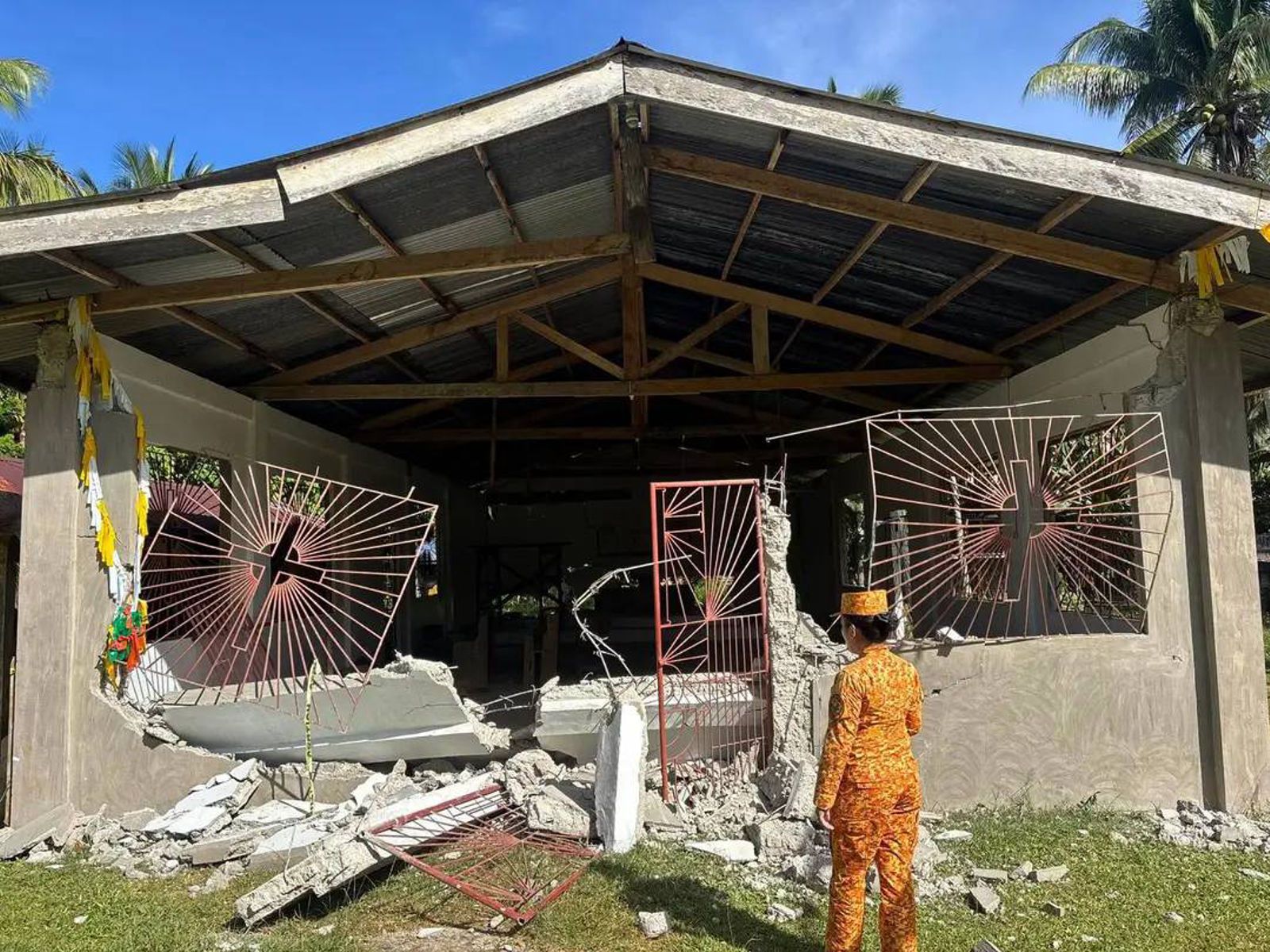
DAVAO ORIENTAL, Philippines — A magnitude 6.4 earthquake that struck Davao Oriental on January 7, 2026, left visible damage in Barangay Santiago, Caraga, after a local chapel was partially destroyed by the strong ground shaking. Photos circulating online show cracked walls and structural damage to the small place of worship, a structure that often serves not only as a religious space but also as a social and emotional anchor for the community.
Fortunately, local authorities confirmed that no injuries were reported and no residents were forced to evacuate following the quake. While the absence of casualties is a relief, the incident has once again highlighted the vulnerability of community structures—particularly older buildings—in earthquake-prone regions of the Philippines. Chapels, schools, and barangay halls are often constructed through community efforts and limited funding, sometimes without strict adherence to modern seismic standards.
Earthquakes are not new to Mindanao, and Davao Oriental sits within a region known for seismic activity. Yet every damaging tremor raises the same uncomfortable questions: how prepared are communities, and how resilient are the structures they rely on during both ordinary days and emergencies? Religious buildings, in particular, often double as evacuation centers during disasters. When these structures are compromised, communities lose both a spiritual refuge and a potential safe space during crises.
This incident should not be viewed in isolation. It invites a broader discourse on disaster preparedness, infrastructure audits, and the need for proactive reinforcement of public and community buildings. While major commercial structures are subject to strict regulations, smaller community facilities are often overlooked until damage becomes visible.
As rebuilding and assessment begin in Barangay Santiago, the challenge is not merely to restore what was lost, but to build back safer and stronger. The quake may have passed without loss of life this time—but will the next one be as forgiving?
In a country frequently shaken by natural disasters, one question lingers: are we investing enough in disaster-resilient structures before tragedy forces us to act? (Larawan: Caraga Fire Station / Facebook)