
Panfilo Lacson denies Imee Marcos claim on Blue Ribbon probe - Truth dispute or Senate infighting?
Margret Dianne Fermin • Ipinost noong 2026-01-12 10:34:34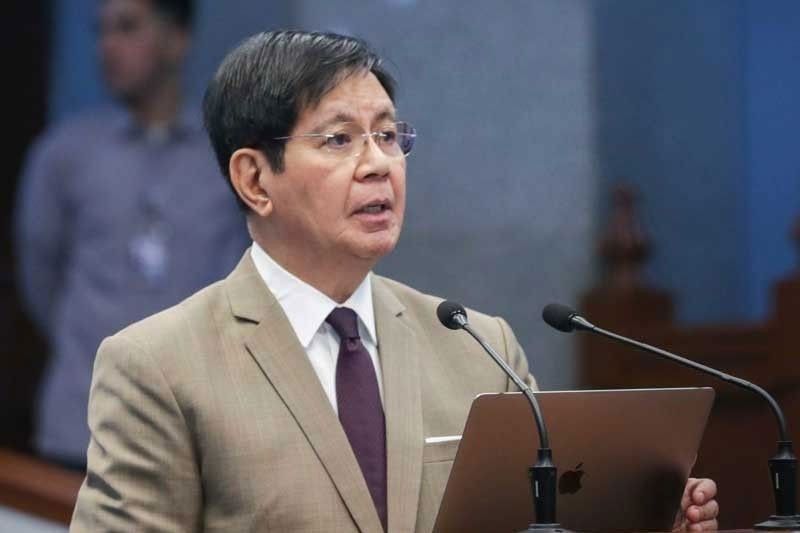
MANILA — Senator Panfilo “Ping” Lacson has strongly denied allegations made by Senator Imee Marcos that members of the Senate Blue Ribbon Committee were barred from linking certain personalities—including her cousin, House Speaker and Leyte 1st District Representative Martin Romualdez—to the controversy surrounding anomalous flood control projects.
Lacson questioned the basis of Marcos’ claim, pointing out that she has not been present during committee hearings. “Unang una paano niyang masasabing pinagbawalan, hindi naman siya nag-a-attend ng hearing?” he said.
The veteran lawmaker stressed that the committee has not restricted members from raising questions or naming individuals during proceedings. He argued that accusations of this nature unfairly cast doubt on the panel’s credibility. “Meron akong nasabi ko na ito, the best response to nonsense is silence. Pero pagka nagiinsulto na, hindi mo na rin pwedeng i-disregard. Iniinsulto niya ang Blue Ribbon Committee, ina-undermine niya ang integridad ng committee na member din naman siya doon. Bakit di siya mag-attend at tanungin niya?” Lacson added.
Marcos earlier suggested that the Blue Ribbon Committee was being selective in its investigation into alleged irregularities in flood control projects, claiming that certain names were being protected. Her remarks drew criticism from Lacson, who underscored that the committee operates transparently and allows members to raise any issue during hearings.
The controversy comes as the Senate continues to probe billions of pesos worth of flood control projects flagged by the Commission on Audit (COA) for alleged irregularities. The Blue Ribbon Committee has been tasked to determine accountability and recommend reforms to prevent misuse of public funds.
Political observers note that the exchange between Lacson and Marcos highlights growing tensions within the Senate over high‑profile investigations, particularly those involving powerful political figures. The debate also underscores the sensitivity of linking top officials to corruption controversies, especially as the country faces mounting infrastructure challenges.
As hearings continue, Lacson reiterated that the committee remains open to all questions and testimonies, urging members to participate actively rather than cast doubt from the sidelines.
When Senators Fight, the Public Loses
When senators turn investigations into personal sparring matches, accountability suffers. Casting doubt on each other instead of working together fractures oversight and slows the search for truth. The spotlight shifts from missing billions and failed projects to who said what and who showed up. That serves no one except those hoping scrutiny fades.
Unity does not mean agreement. It means shared purpose. Disagreements belong in hearings, backed by evidence, not traded as insinuations from the sidelines. The public expects lawmakers to prioritize answers over advantage.
So the question voters should ask is simple: when senators fight for narratives instead of the truth, whose interests are they really serving?