
AFP steps up patrols at Malampaya gas field — securing energy or sending a signal?
Margret Dianne Fermin • Ipinost noong 2026-01-24 17:21:22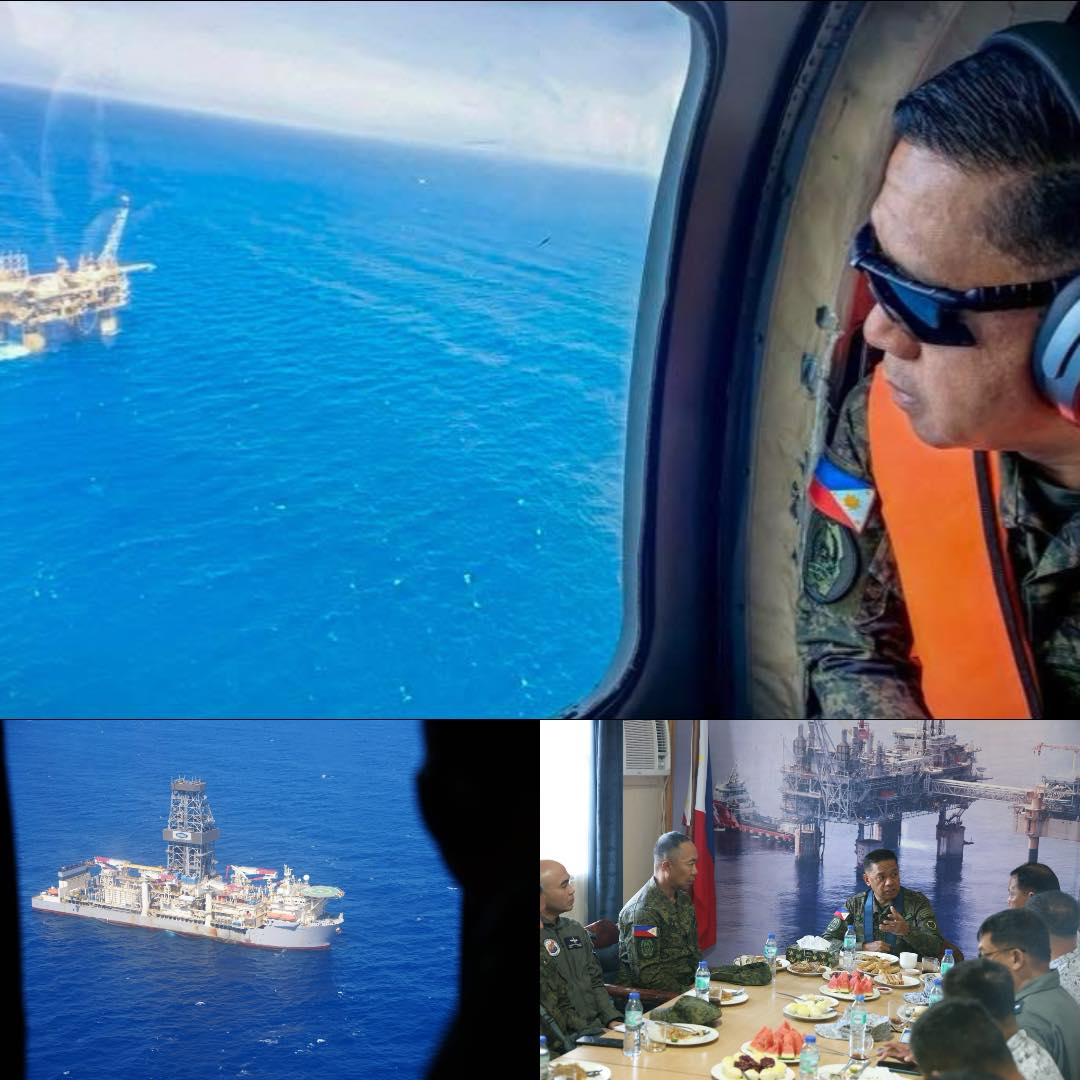
PALAWAN, Philippines — January 23, 2026 — The Armed Forces of the Philippines (AFP) has stepped up its monitoring patrols in the Malampaya gas field following President Ferdinand Marcos Jr.’s announcement of a newly discovered natural gas reservoir.
AFP Chief of Staff Gen. Romeo Brawner Jr. personally led an aerial inspection over the Malampaya Deep Water Gas-to-Power Project to assess the readiness of Joint Task Force Malampaya, which is tasked with securing one of the country’s most vital energy assets.
During the visit, Brawner was briefed on ongoing maritime and air patrol operations, as well as inter-agency coordination efforts to ensure the facility’s safety. “The AFP remains unwavering in its commitment to protect strategic national assets vital to the Philippines’ energy security and economic stability,” Brawner said.
The Malampaya project currently supplies up to 20 percent of Luzon’s electricity needs, making it a cornerstone of the country’s energy infrastructure. The discovery of a new natural gas reservoir is expected to extend the life of the project and reduce dependence on imported fuel.
Security experts noted that Malampaya’s location in the West Philippine Sea adds geopolitical weight to the AFP’s patrols, as the area remains contested. The military presence is seen as both a deterrent to potential threats and a reassurance to stakeholders that the government is prioritizing energy security.
Local officials and energy analysts welcomed the AFP’s proactive stance, saying it underscores the importance of safeguarding resources that directly impact the nation’s economy and daily life.
Energy Security or Military Signaling?
The AFP’s stepped-up patrols over Malampaya follow a clear logic. The gas field powers up to 20 percent of Luzon, and protecting a critical energy source is a basic duty of the state. With a new reservoir discovered, prevention now may avert disruption later.
Supporters see readiness, not aggression. They argue that visible security deters threats, reassures investors, and shields ordinary Filipinos from power instability tied to external pressure.
Critics see something else. In contested waters, military patrols carry signals beyond protection. When defense blends with messaging, escalation can follow. Is this safeguarding energy security, or quietly raising the stakes in the West Philippine Sea?
Image from Modern Arms Philippines