
Poe, Benitez vow AI for all Filipinos — for the people, not just the powerful
Marijo Farah A. Benitez • Ipinost noong 2026-02-02 08:29:37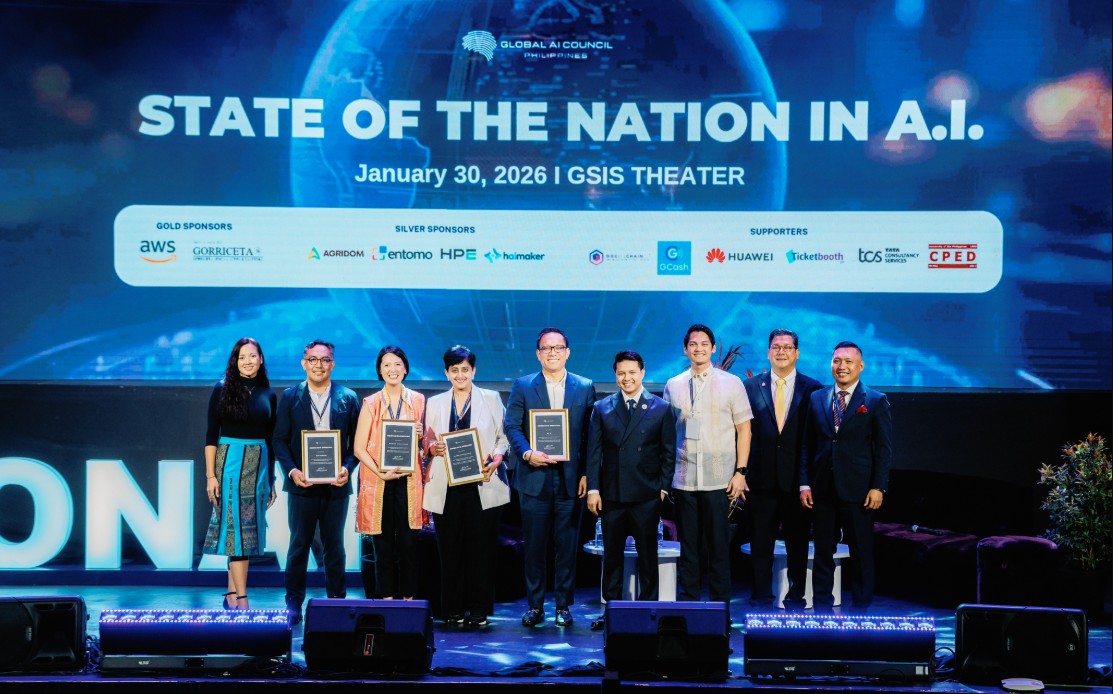
FEBRUARY 1, 2026 — Artificial intelligence. For many Filipinos, it still sounds like a buzzword — something reserved for tech giants, Silicon Valley, or futuristic movies. But two lawmakers, Brian Poe of FPJ Panday Bayanihan Party-list and Javi Benitez of Negros Occidental, are saying it’s time to stop treating AI like a distant dream and start making it work for ordinary Filipinos. And they’re not whispering it — they’re pushing hard for action.
Benitez laid it down clearly: “The Philippines has moved past the phase of AI pilots and position papers. What we need now is execution. The next two years are about turning AI into real, working solutions that improve public services, create jobs, and strengthen trust.”
That’s not just rhetoric — it’s a challenge. Because let’s be honest, how many government “roadmaps” have we seen that end up gathering dust? Filipinos don’t need another glossy plan. We need working systems, faster services, and more importantly, jobs that won’t vanish because machines took over.
Poe, on the other hand, brought the conversation back to the people.
“When we talk about artificial intelligence, we are ultimately talking about people — workers navigating change, small businesses trying to stay competitive, and communities that need government to work better and faster.”
That’s the heart of it. AI isn’t just about apps or algorithms — it’s about whether a sari-sari store owner can access smarter digital finance tools, whether disaster response can be faster, whether workers can transition to new jobs instead of being left behind.
Congress, according to Poe and Benitez, isn’t just talking. They’re moving to legislate. Poe highlighted two key bills: the Artificial Intelligence Development Authority bill, which would set up a national governance framework for AI, and the Career Transition Assistance Bill, designed to reskill workers and help them shift into new industries.
His warning was sharp: “AI adoption without worker transition is not progress — it’s outright disruption.”
And he’s right. What good is innovation if it leaves thousands jobless?
But will these bills actually translate into real change, or will they drown in bureaucracy?
Poe himself admitted, “When regulators, implementers, operators, investors, and end-users are aligned, government must be structured to move with them — not slow them down.”
That’s a polite way of saying: government, don’t be the bottleneck!
The lawmakers also stressed inclusivity. AI must not be monopolized by big corporations. It should reach MSMEs, local governments, and communities. Imagine AI tools helping barangays prepare for typhoons, or small businesses using AI-driven platforms to compete in the digital marketplace. That’s the kind of progress that matters.
As Poe put it: “This is what progress looks like: specific, practical, and owned.”
Filipinos have always been quick to adapt to technology. Remember how fast we embraced texting, social media, and e-wallets? But then, AI is a different beast altogether. It’s not just about convenience; it’s about survival in a global economy that’s moving at lightning speed. If we don’t act, we risk being left behind. If we act recklessly, we risk chaos. So where do we draw the line?
Benitez warned: “Countries that move decisively on AI governance now will shape the next decade. The Philippines intends to be one of them.” ‘
Now here’s the challenge for every Filipino. Do we demand accountability from our leaders to make AI work for us, or do we sit back and let “innovation” become just another buzzword that benefits only the powerful?
The future of AI in the Philippines isn’t just about machines but about whether ordinary Filipinos get a fair shot at progress. After all, the future belongs to those who refuse to be left behind. The real test isn’t whether AI arrives — it’s whether Filipinos demand it works for them now, not “someday.”
(Image: Javi Benitez | Facebook)