
It’s working! Sandro Marcos' no work, no pay bill already making waves — absent lawmakers suddenly show up!
Marijo Farah A. Benitez • Ipinost noong 2026-02-05 15:10:08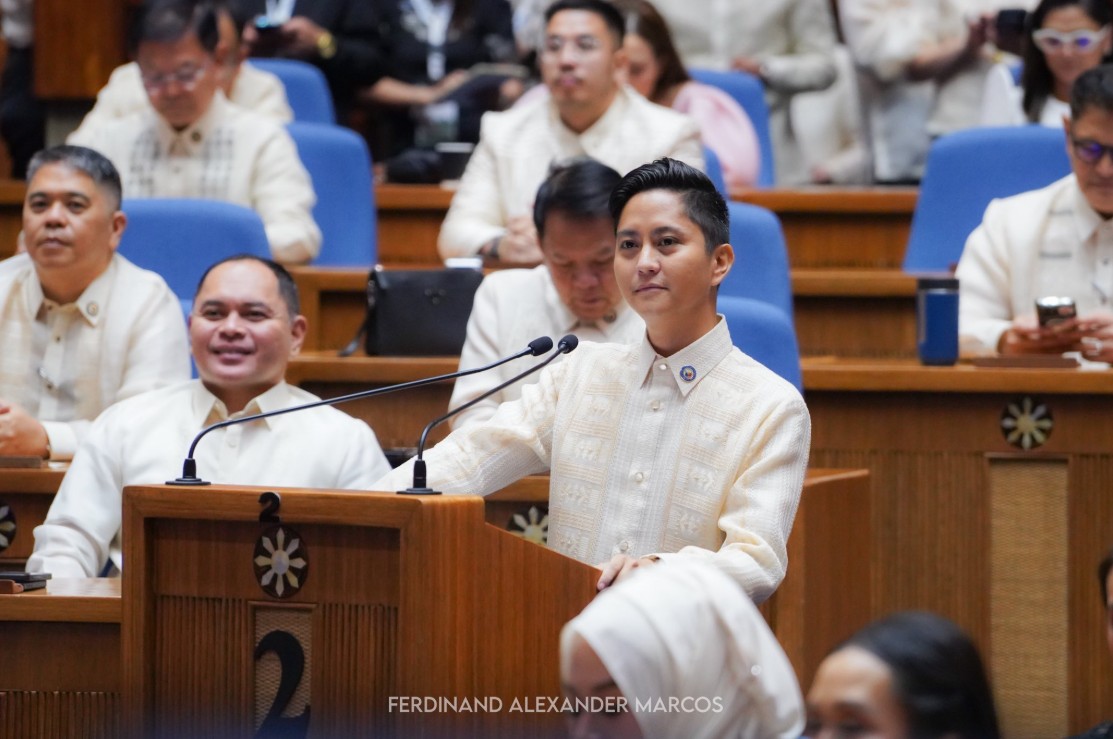
FEBRUARY 5, 2026 — It feels almost ironic. Majority Leader Ferdinand Alexander “Sandro” Marcos’ proposed No Work, No Pay for Members of Congress Act isn’t even law yet, but he claims it’s already working. And if true, this might be the most practical “reform” we have been waiting for.
In an ambush interview, Marcos was asked if his House Bill No. 7432 is already effective after Davao Rep. Paolo Duterte — long criticized for his absences — suddenly showed up at work.
Marcos quipped, “It hasn’t been passed (pero) gumagana na (but it’s working already).”
No work, no pay
The idea is simple: if you don’t show up, you don’t get paid. No attendance in plenary sessions? No salary. Skip committee hearings? No compensation. For ordinary workers, this is already the norm. So why should lawmakers, who are funded by taxpayers, be exempt?
Why only now, you may ask? Well, let’s be honest — absenteeism in Congress is nothing new. For years, the public has complained about lawmakers who skip sessions yet continue to receive salaries and perks. The painful truth? These are the same people crafting laws that affect millions of Filipinos. If they’re absent, how can they truly represent the people?
Marcos insists the bill isn’t targeting anyone.
“I’m not singling anyone out. I think this is just the right step forward for the legislature as an institution,” he said.
The dela Rosa angle
The issue of absentee lawmakers flared up with Senator Ronald “Bato” dela Rosa’s prolonged absence since November 2025. Senate President Vicente Sotto III even admitted, “I have not heard anything from dela Rosa.”
Rumors swirl that the International Criminal Court has already issued a warrant of arrest against him, though no official confirmation has been made. Dela Rosa, as the first PNP chief under former president Rodrigo Duterte, is forever tied to the bloody war on drugs and the infamous “Tokhang.”
But should you still be sitting as senator and collecting taxpayer-funded paychecks if he has been a no-show for more than 2 months now?
Accountability, finally?
Supporters of HB No. 7432, including members of the so-called Young Guns, say this is a “long-overdue reform.”
Deputy Speaker Paolo Ortega stressed, “This bill simply ensures that public money is spent only when public work is done.”
Lanao del Sur Rep. Zia Alonto Adiong added, “If this principle applies to workers nationwide, it should apply even more to those crafting the laws. Public service begins with showing up and doing the work.”
And he’s right. If jeepney drivers, call center agents, or factory workers don’t get paid when absent, why should lawmakers with million-peso budgets be allowed to skip work without consequence?
But is no work, no pay enough to solve absenteeism? Or do we need stronger reforms — like making attendance records public, or imposing heavier sanctions on chronic absentees?
And if Marcos says the bill is already “working” even without being passed, doesn’t that prove lawmakers are afraid of losing their salaries? If so, doesn’t that reveal the uncomfortable truth — that money, not duty, is the most effective motivator for our officials?
So should lawmakers be held to the same standards as ordinary workers? If yes, this could be the start of restoring public trust in Congress. If not, then it risks becoming another nice-sounding measure that never truly gets enforced.
At the end of the day, the message of the bill is clear: if you want to earn, you need to work. If you want to serve, you need to show up. If not, don’t expect to get paid from the people’s taxes.
Isn’t that such a simple and fair principle that shouldn’t even call for debate?
(Image: Sandro Marcos | Facebook)