
De Lima says VP Sara's own words are her biggest impeachment evidence
Margret Dianne Fermin • Ipinost noong 2026-02-10 10:22:32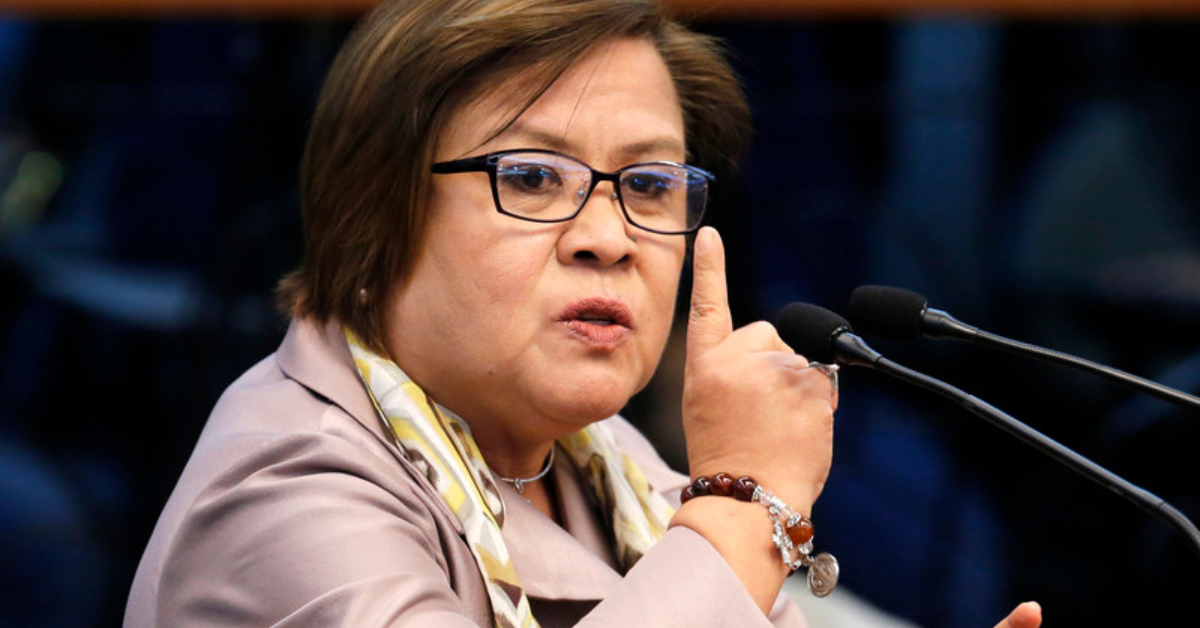
MANILA, Philippines, Feb. 10, 2026 — Mamamayang Liberal Party-list Rep. Leila de Lima asserted that the strongest evidence against Vice President Sara Duterte in the ongoing impeachment complaints comes directly from Duterte’s own statements.
Speaking to reporters after endorsing the third impeachment complaint filed by religious leaders and lawyers, De Lima said, “Mga ebidensya laban kay VP Sara, galing mismo sa bunganga n’ya.”
De Lima pointed to Duterte’s controversial remarks in past interviews, including alleged threats against President Ferdinand “Bongbong” Marcos Jr., First Lady Liza Marcos, and former House Speaker Martin Romualdez. According to De Lima, these statements, combined with unresolved issues surrounding the P612.5-million confidential funds, form the core of the impeachment cases.
The third impeachment complaint, filed on February 9, 2026, by clergymen, pastors, nuns, and lawyers, accuses Duterte of misuse of confidential funds and abuse of power. It was endorsed by De Lima and Akbayan Party-list Rep. Perci Cendaña. Lawyer Amando Ligutan, representing the complainants, argued that accountability should apply equally to all public officials, regardless of political stature. “Do we give the vice president a free pass just because she has a famous family name?” Ligutan asked.
Vice President Duterte has dismissed the complaints as baseless, calling them “abuse of process.” She previously claimed that the impeachment petitions lacked evidence, but De Lima countered that Duterte’s own words and admissions are sufficient grounds. “Yung sinasabi ni VP Sara na ‘isang papel na walang kalakip na kahit anong ebidensiya’ ay siya rin mismong mga akusasyon na matagal na nyang iniiwasang sagutin,” De Lima said.
This marks the third impeachment complaint filed against Duterte, following earlier petitions by the Makabayan bloc and civil society group Tindig Pilipinas. While the Supreme Court previously voided the Articles of Impeachment on technical grounds, De Lima insists that the substance of the complaints remains strong and should move forward to trial.
Impeachment Built on Public Words
Public officials speak with power, and that power carries consequences. Statements made in interviews or public settings are not casual remarks; they shape public trust and can become part of formal accountability processes.
When impeachment complaints cite a leader’s own words as evidence, the issue shifts from interpretation to responsibility. Rhetoric that signals threats or abuse of authority does not remain political noise. It becomes a record that institutions may be forced to treat as actionable conduct.
If words from the highest offices can trigger impeachment, should public speech be treated as mere expression or as governance itself?